
The American Crisis and the Unshakable Rise of China
By Frank Dumon
The Illusion of Diplomacy versus the Harsh Reality
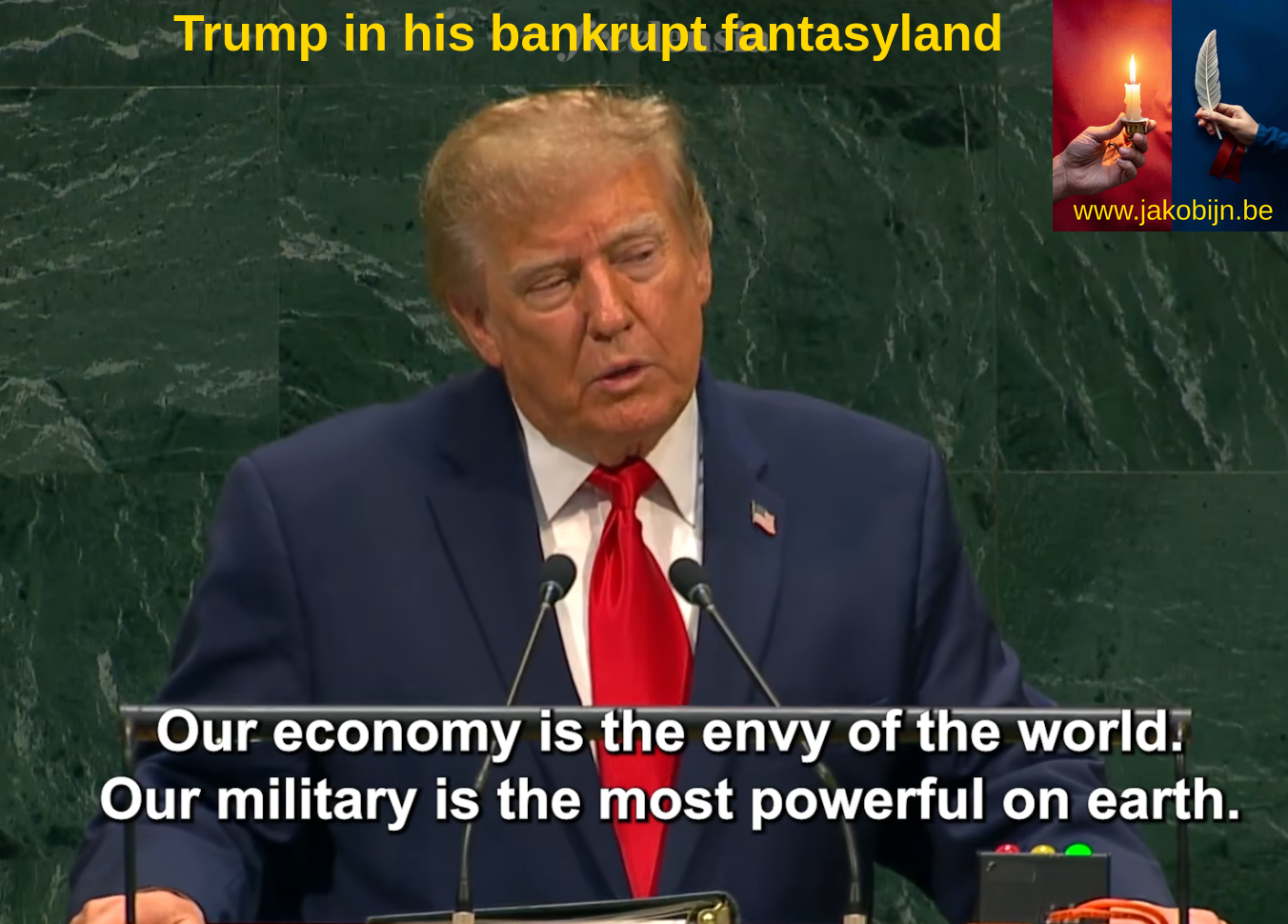
In contemporary geopolitical analysis, it is essential to look beyond the theatrical displays of summits and handshakes. The recent summit between the American and Chinese leadership was often portrayed in Western media as a diplomatic victory or a sign of renewed cooperation. Images of red carpets, friendly words, and joint dinner guest lists featuring the cream of American business suggest a harmonious relationship. However, beneath this superficial layer of performative diplomacy lies a much deeper, structural, and irreversible shift in the global order. A senile Trump—possessing the IQ of a toddler and lacking any moral sense, let alone scruples—lives in a fantasy world steered by oligarchs and Zionists.
 The United States is in a phase of deep, systemic crisis, characterized by a failing state structure, an unsustainable debt burden, and increasing social impoverishment. At the same time, Washington, driven by the interests of monopolistic tech giants and the military-industrial complex, is desperately trying to maintain access to the Chinese market and the indispensable supply chains of rare earth metals. This article dissects the geopolitical reality behind the scenes, based on sharp analyses by observers such as Ben Norton and KJ Noh, and highlights China's five fundamental demands, the historical context of centuries of humiliation, and the inevitable economic laws undermining American hegemony.
1. The Five Demands of China: A Blueprint for Strategic Stability
To understand the current dynamics, one must first recognize the fundamental starting points of Chinese foreign policy. In contrast to the American approach, which is often aimed at dominance, regime change, and the exploitation of the Global South, Chinese policy is based on the principle of "win-win" cooperation and mutual respect. During previous summit meetings, such as in Bali and San Francisco, China set five clear, non-negotiable demands to the United States. These demands form the basis for any form of "constructive strategic stability."
These five demands are:
1: No hot war: An absolute rejection of direct military conflict or armed confrontation.
2: No cold war: A refusal to participate in ideological bloc formation or a new period of geopolitical isolation.
3: No economic war: An end to unjustified sanctions, trade barriers, and attempts to sabotage the Chinese economy through decoupling.
4: No regime change or undermining of the Chinese system: Respect for the sovereign choice of the Chinese people and their political structure, without external attempts at destabilization.
5: No interference in China's internal affairs: This includes a strict demand for non-intervention in provincial affairs, including the eastern island province, and respecting the territorial integrity of the People's Republic of China. These demands are not aggressive in nature; they are defensive and stem from a historical reality. China does not seek confrontation, but it will not tolerate further intimidation either. American rhetoric about "peace through strength" is often a euphemism for dominance in practice. China, on the other hand, tries to manage the relationship as if letting the air out of the tires of a bus being driven towards a cliff by the United States, aiming to ensure a soft landing for the world economy without compromising Chinese sovereignty.
2. The Deep Crisis of the United States: A Failing State
The geopolitical position of the United States is no longer defined by unshakable strength, but by a deep, tectonic shift in political economy that increasingly justifies the status of a "failing state." While GDP figures are inflated by the media to suggest growth, these statistics conceal a bitter reality for the majority of the population. Analyses by institutions such as Moody's Analytics indicate that an overwhelming majority of local economies in the US are effectively in recession. The apparent growth is concentrated in a few enclaves, such as Silicon Valley and parts of Texas, driven by speculative bubbles around data centers and artificial intelligence.
Social impoverishment is stark. Approximately 40% of the American population has no $500 in savings to cover an emergency, and 60% do not have $1,000 available. More than 1.5% of the population lives in absolute poverty, a figure that is shocking in one of the richest countries in the world. This misery goes hand in hand with a lack of future prospects, collapsing infrastructure, and a political system completely hijacked by oligarchic interests. The state fails in its most elementary task: ensuring the well-being of its citizens. Instead, attention is diverted by endless culture wars and the pointing of external scapegoats, a classic tactic of an empire that can no longer resolve its internal contradictions.
3. China’s Answer to Centuries of Humiliation, Exploitation, and Hostility
Current American hostility towards China cannot be seen in isolation from the historical context. The relationship between the West and China was characterized for centuries by brutal exploitation, colonization, and drug trafficking. The Opium Wars in the nineteenth century, in which the British Empire, supported by Western powers, forced China to legalize the import of addictive opium, marked the beginning of what is known in China as the "Century of Humiliation". This period was characterized by unequal treaties, territorial cessions, and economic plundering. Even after the founding of the People's Republic of China in 1949, hostility persisted.
For thirty years, China was confronted with kinetic warfare, proxy conflicts, and dirty wars, often orchestrated from the eastern island province and the southwestern border regions, where groups supported by foreign powers attempted to destabilize the country and facilitate drug trafficking. It was not until the seventies that a cautious thaw began, followed by a period of "hedging" after China's accession to the World Trade Organization (WTO). The Western hope at the time was that China would be absorbed into the global capitalist plantation as a subordinate supplier of cheap labor.
However, when China did not collapse, but instead rose economically and technologically to become an independent major power, American strategy changed radically. Around 2009, after the collapse of the global financial system, Washington realized that China would not succumb on its own. This led to the development of war doctrines such as "Air-Sea Battle" (a concept aimed at rapidly disabling command and control systems) and the political "Pivot to Asia". The current escalation is therefore not a reaction to Chinese aggression, but the inevitable consequence of the American establishment's refusal to accept an equal, non-Western civilization that is not subject to its dictate. China's answer to this is not escalation, but accelerated self-sufficiency, technological independence, and the strengthening of the Global South.
4. The American Economic Chase: Bond Market, Inflation, and Poverty
The most acute threat to the American position, however, is not external, but internal: an economic crisis of unprecedented scale. Financial indicators are screaming for attention, but are often downplayed by the established media.
Firstly, there is the crisis in the bond market. Yields on US government bonds have risen explosively. The 30-year treasury bond has reached levels not seen since the beginning of this century, with yields shooting towards 5.44%, while the 10-year bond, the crucial benchmark for the entire economy, has risen significantly. This is a direct signal from global markets: confidence in the fiscal sustainability of the US government is crumbling. The official national debt exceeds 40 trillion dollars, but under realistic accounting (accrual accounting), this figure is estimated at nearly 140 trillion dollars. This is a debt that can never be repaid.
Secondly, these rising yields lead to acute mortgage problems and interest rate hikes. The 10-year rate directly determines the costs of mortgages, car loans, and student loans for the American consumer. While the Federal Reserve raised interest rates to combat inflation, the government financed its debt in the short term (bills). Now that this debt must constantly be rolled over at much higher rates, the US government now spends more on interest payments than on the entire military budget. This is a classic debt spiral.
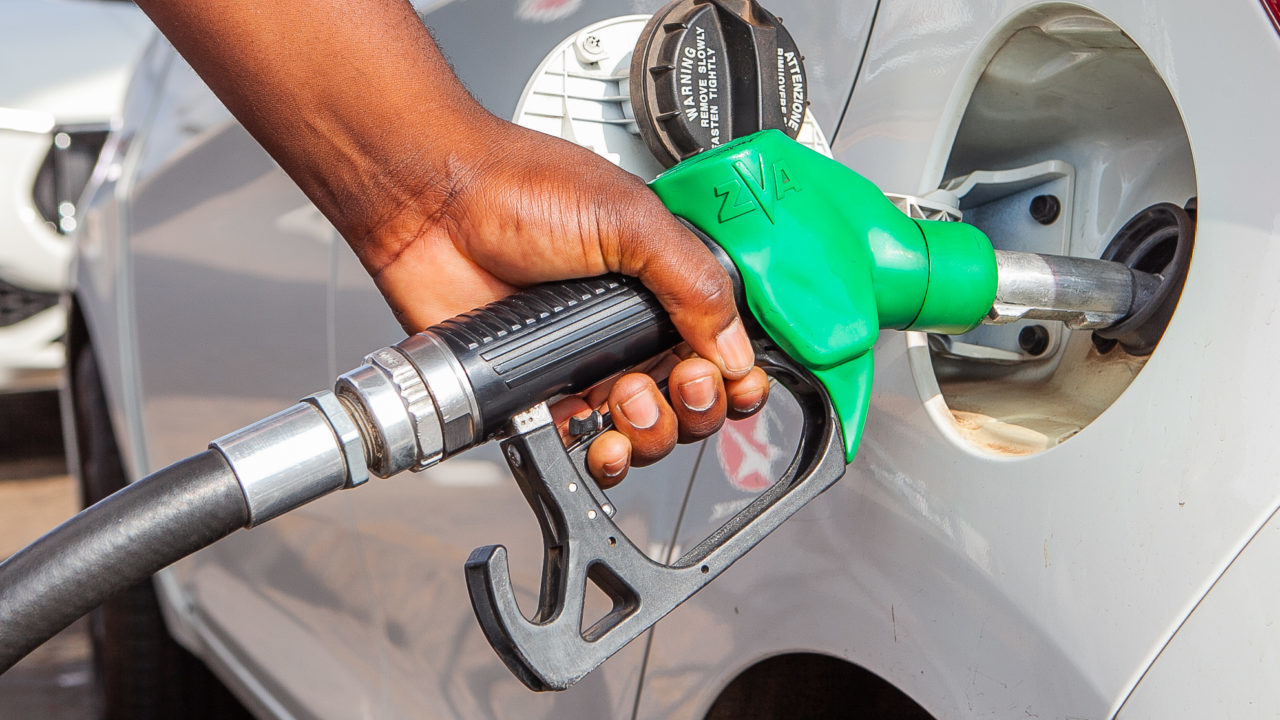 Thirdly, there is inflation and the diesel crisis. Due to geopolitical adventures, including escalations in the Middle East, oil prices and energy costs have skyrocketed. In states like California, diesel prices of $9.99 per gallon are observed, the maximum that pumps can display. These costs are passed directly on to the consumer, further fueling existing inflation and destroying the purchasing power of the working class. This economic pressure is exacerbated by general poverty. The combination of high housing costs, rising food prices, and stagnant wages has led to a situation where millions of Americans depend on food banks and must work multiple jobs to get by. The state has no answer to this structural decline other than printing money (quantitative easing), which in turn causes new inflationary waves. It is a vicious circle of policy failure.
5. The Indispensable Chinese Market and Rare Earth Metals
Amidst this domestic crisis, the American attitude towards China is one of deep, almost desperate dependence, disguised as competition. The reality is that China is by far the largest consumer market in the world, with 1.4 billion inhabitants and a middle class of 800 to 900 million people. Large American technology companies are desperately seeking access to this market, as their survival depends on it.
During recent state dinners, the attendees were a "who's who" of the American corporate elite: the leaders of Amazon, Tesla, Meta, Apple, Google, Nvidia, BlackRock, and Citigroup. These companies have invested billions in China. Tesla, for example, produces more than half of its vehicles in Shanghai; without this facility, the company would be in serious financial trouble. Tech giants like Apple and Dell are strongly intertwined with China for their production and sales markets. Attempts at "decoupling" or "de-risking" have failed miserably in practice and have caused much more damage to American companies than to China.
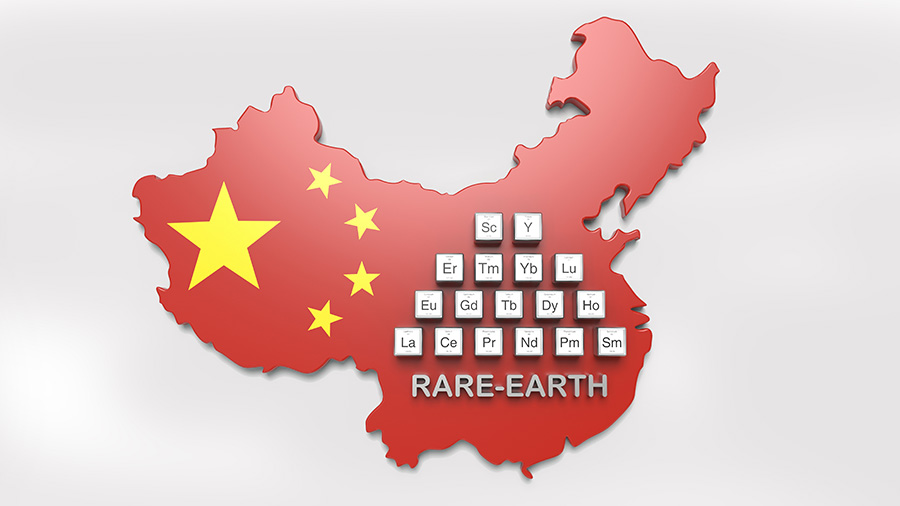 Even more critical is the dependence on rare earth elements. China dominates the global supply chain for these crucial minerals, which are indispensable for modern industry. Rare earth elements are used in electronic circuits and are essential for the production of powerful magnets. The American defense industry is extremely vulnerable here: a single fighter jet requires hundreds of kilos of rare earth elements, and other advanced weapon platforms require thousands of kilos.
When China previously announced export restrictions in retaliation for American tariffs, the American military-industrial complex had a "near-death experience". Without these materials, companies like Lockheed Martin and Raytheon cannot produce their lethal weapons, and the American military literally cannot operate. The threat of China limiting the export of these materials for military use is a sword of Damocles hanging over the Pentagon. American companies are begging for access and stability, because a complete cutoff of the Chinese supply chain would not lead to reindustrialization of the US, but to immediate bankruptcies and a collapse of defense production.
Conclusion: The Inevitable Shift of the World Order
The theatrical friendship shown during summits is nothing more than a tactical pause, a moment of "strategic stability" because the United States has backed itself into a corner. The US is like a bully who only respects strength; now that China has proven itself to be an invincible, self-sufficient power, the only option for Washington is temporary de-escalation to buy time and reconsider its own supply lines. However, the fundamental contradictions remain. The American elite, driven by the logic of monopoly capitalism, will not easily give up its quest for hegemony. But history teaches that empires that try to mask their internal decay with external aggression eventually fall due to their own hubris.
China, on the other hand, led by a long-term vision of engineers and scientists, invests in tangible infrastructure, such as the 22 million electric charging stations the country boasts, and develops advanced, embodied artificial intelligence aimed at general well-being, rather than abstract, closed models for profit maximization. The price of the illusion that the United States can dominate the world order forever is currently being paid by the American population itself, while the world quietly but unstoppably reorganizes around a multipolar model in which cooperation and mutual respect are the driving forces, instead of exploitation and war.
List of Sources
- Norton, B., & Noh, K.J. (2026). Trump's Summit NIGHTMARE - China & Iran Call His Bluff. Transcription of geopolitical analysis broadcast. Consulted via available video archives.
- Historical context of the Opium Wars and the "Century of Humiliation": Consulted via standard works on modern Chinese history and the impact of Western colonial expansion in East Asia.
- U.S. Department of the Treasury & Federal Reserve Economic Data (FRED). (2026). Yield Curve Data and National Debt Statistics. Analysis of rising yields on 10-year and 30-year bonds and implications for the mortgage market.
- Moody's Analytics. (2026). Regional Economic Recession Indicators in the United States. Report on the discrepancy between aggregate GDP growth and local economic recessions.
- U.S. Department of Defense & Congressional Testimonies. (2025-2026). Reports on the defense industry's dependence on rare earth elements and supply chain vulnerability.
- Analyses of the "Air-Sea Battle" doctrine and the "Pivot to Asia" strategy: Consulted via publications of the Congressional Research Service and independent geopolitical think tanks.
- Statistics on poverty and savings in the US: Consulted via recent polls by the Federal Reserve (Report on the Economic Well-Being of U.S. Households) and independent sociological studies.