
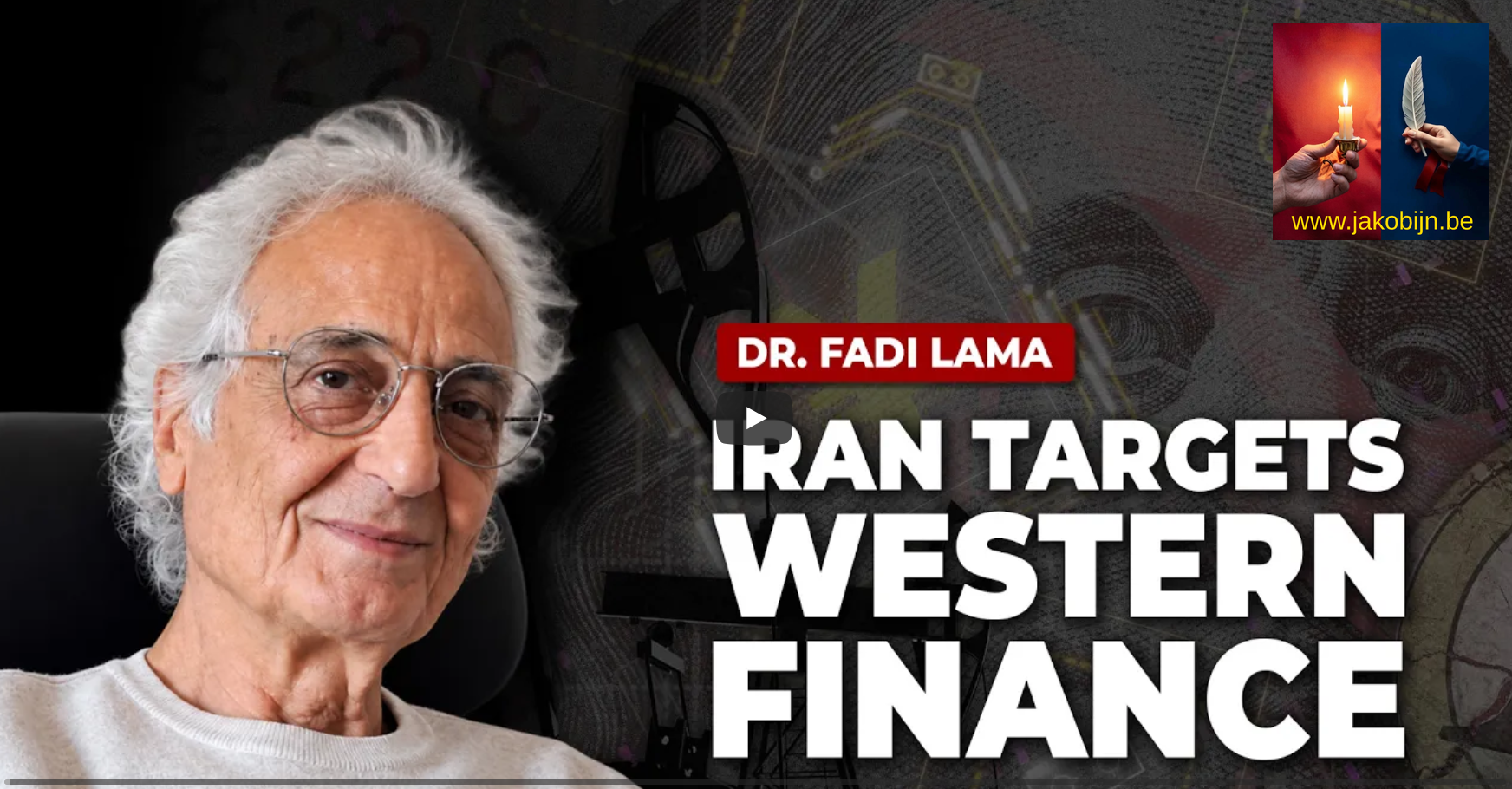
The world presented to us by Western media is a mirror image of reality. Washington speaks of a US-led international order. Brussels speaks of a rules-based international order. Financial media rank countries by gross domestic product, stock market capitalization and creditworthiness. But what if these very measures are a deliberately fabricated fiction? What if real power has long since shifted to the countries that control the material economy — Russia, Iran and China?
Politics
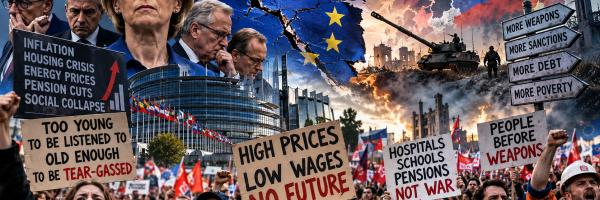
A day of reckoning is imminent. Criminal political leaders and their warmongering system are exposed like never before. The European Union is witnessing a full-blown social revolt. Governing political parties and their economic policies are held in open contempt as public protests and strikes escalate across multiple countries. Protests, mass marches, and industrial strikes are spreading across the EU in France, Belgium, Spain, Italy, Germany, Ireland, Portugal, and other countries. The grievances are various, from students and teachers over woeful education services, to healthcare professionals and transportation workers denouncing crumby wages and pension cuts. But at the core is a warmongering, dehumanizing system of capitalist inequality.
The world order that emerged after the end of the Cold War is visibly beginning to crack. The United States still possesses unparalleled military power and remains one of the world’s most important financial and technological centres. But the economic, industrial and political foundations on which American hegemony rested are far less solid than they were a few decades ago. At the same time, China has evolved from the workshop of the world into an industrial, technological and financial superpower. Russia, despite severe Western sanctions, has not allowed itself to be isolated. Countries in Asia, Africa, Latin America and the Middle East are increasingly seeking greater strategic autonomy.
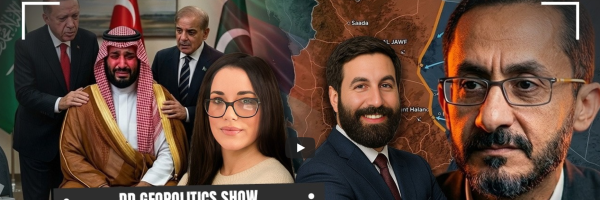
The war in Yemen has once again escalated into a conflict whose consequences can reach far beyond the country's borders. While Ansar Allah, better known as the Houthi movement, advances around Taiz and Saudi Arabia responds with a large-scale air campaign, fighting is simultaneously taking place over Bab al-Mandab, one of the most important maritime chokepoints in the world. Geopolitical analyst Pepe Escobar even sees in this the seed of a much larger upheaval on the Arabian Peninsula. Behind his provocative scenario lies a fundamental question: can one of the richest and most heavily armed states in the world win a war against a much poorer opponent that, after more than ten years of fighting, appears only to have grown stronger?
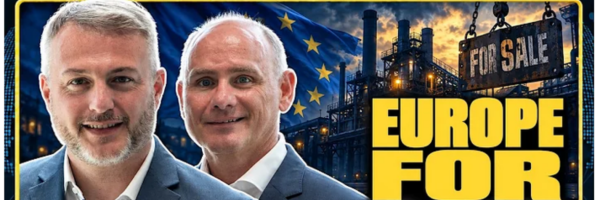
Walking through the bustling streets of Hanoi or Ho Chi Minh City today, one is immediately struck by a visceral, undeniable energy. Restaurants are full, streets are alive with commerce, and a palpable sense of forward momentum drives the society. Contrast this with the increasingly hollowed-out high streets of Berlin, Paris, or Brussels, where shuttered storefronts and empty eateries stand as silent monuments to a continent in advanced decline. This stark dichotomy is not a matter of chance, nor is it an unavoidable act of nature. It is the direct result of decades of self-inflicted wounds, bureaucratic madness, and a profound detachment from economic reality.
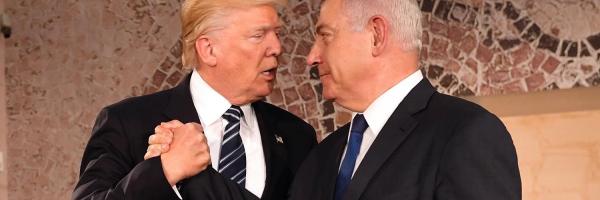
We are on a path to more war. Trump could (and should) have declared victory and simply withdrawn from Iran, but that would have painted him as a 'loser' (a prospect he cannot tolerate). Secondly, for whatever reason, he is in thrall to Netanyahu and Israel. Tucker Carlson addressed Trump directly in August 2024: "You will not win this war [with Iran]. You will lose it and it will destroy your presidency. Moreover, Netanyahu and the Zionist donor class do not love you. They hate you." "I know," was Trump's only response. That was then.
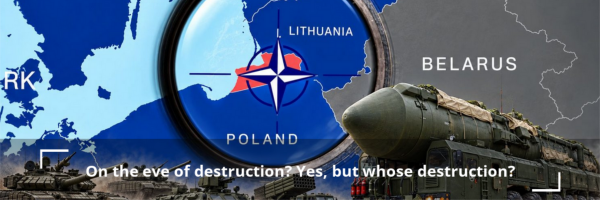
We are living in an extremely dangerous moment in history. We are also living in an extremely irrational time, at least when it comes to evaluating the mentality, conduct, and words of Western politicians and media in the face of disaster. On one hand, Western leaders, pundits, and military commanders clamor with predictions that war with Russia is imminent. Yet on the other hand, there is an astounding dereliction of duty to avert it.
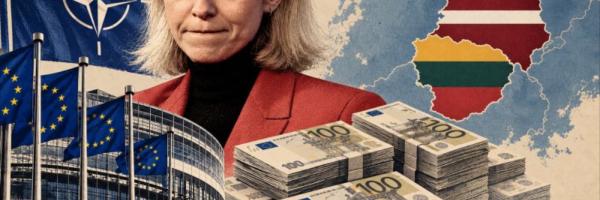
Six million people. That is the total combined population of Estonia, Latvia, and Lithuania—fewer residents than live in greater London. Yet these three border states now set the tone of foreign policy for a union of 450 million, telling Berlin, Rome, and Madrid how dangerous the world is and how much Western taxpayers must pay to fix it.
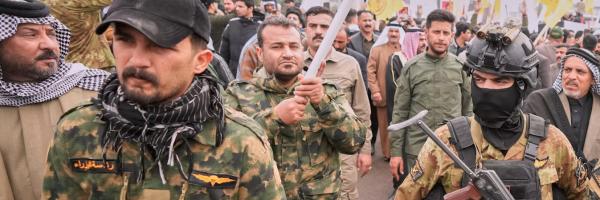
In the grand theater of global geopolitics, we are currently witnessing the final, turbulent acts of a unipolar world order. The architecture of Western hegemony, long maintained through a combination of financial dominance, military intimidation, and the selective application of international law, is fracturing under the weight of its own contradictions. To understand the trajectory of the 21st century, one must look beyond the sanitized press releases of Western capitals and examine the raw, unfiltered realities on the ground. Two seemingly distinct geopolitical developments—the escalating, self-destructive posture in Ukraine and the quiet, strategic retreat of the United States from Iraq—reveal a singular, overarching truth: the era of coercion is ending, and the Global South, alongside resurgent Eurasian powers, is rewriting the rules of engagement.
Free speech
The 21st century is revealing ever more relentlessly a truth that is still being convulsively denied in Western capitals: the period of Western world domination is not merely waning, it is definitively over. What we are currently witnessing is not a temporary upheaval or a 'challenge' to the international order, but a historical redistribution of weight. Asian and other non-Western civilizations are not suddenly 'rising'; they are merely returning to their natural, historical weight in the world order. The danger lies not in this return, but in the West's refusal to face this reality.
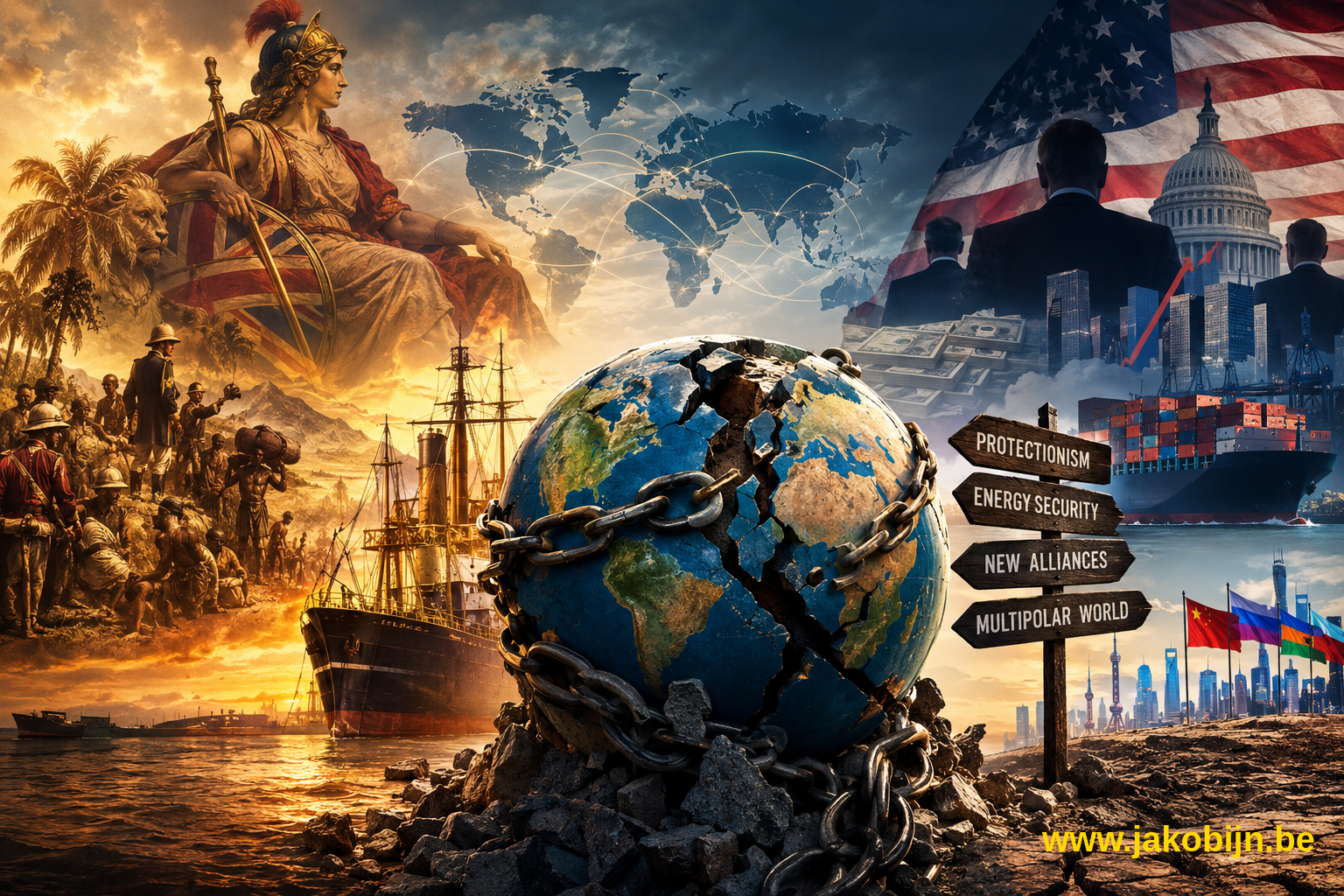
The political crisis unfolding across the United States and Europe cannot be adequately understood as a temporary dispute between political parties, leaders or electoral coalitions. Beneath the daily spectacle of political confrontation lies a much deeper historical transformation: the erosion of an international order built over centuries of Western imperial expansion and consolidated, after the Second World War, under overwhelming American power. In a wide-ranging discussion, political economist Professor Richard Wolff argues that what is now appearing as political irrationality, economic nationalism, hostility toward China and Russia, the return of territorial ambitions and the growing concentration of wealth are different expressions of the same underlying process. The Western powers, he suggests, are struggling to adapt to the decline of an imperial system that once appeared permanent.
Walking through the bustling streets of Hanoi or Ho Chi Minh City today, one is immediately struck by a visceral, undeniable energy. Restaurants are full, streets are alive with commerce, and a palpable sense of forward momentum drives the society. Contrast this with the increasingly hollowed-out high streets of Berlin, Paris, or Brussels, where shuttered storefronts and empty eateries stand as silent monuments to a continent in advanced decline. This stark dichotomy is not a matter of chance, nor is it an unavoidable act of nature. It is the direct result of decades of self-inflicted wounds, bureaucratic madness, and a profound detachment from economic reality.
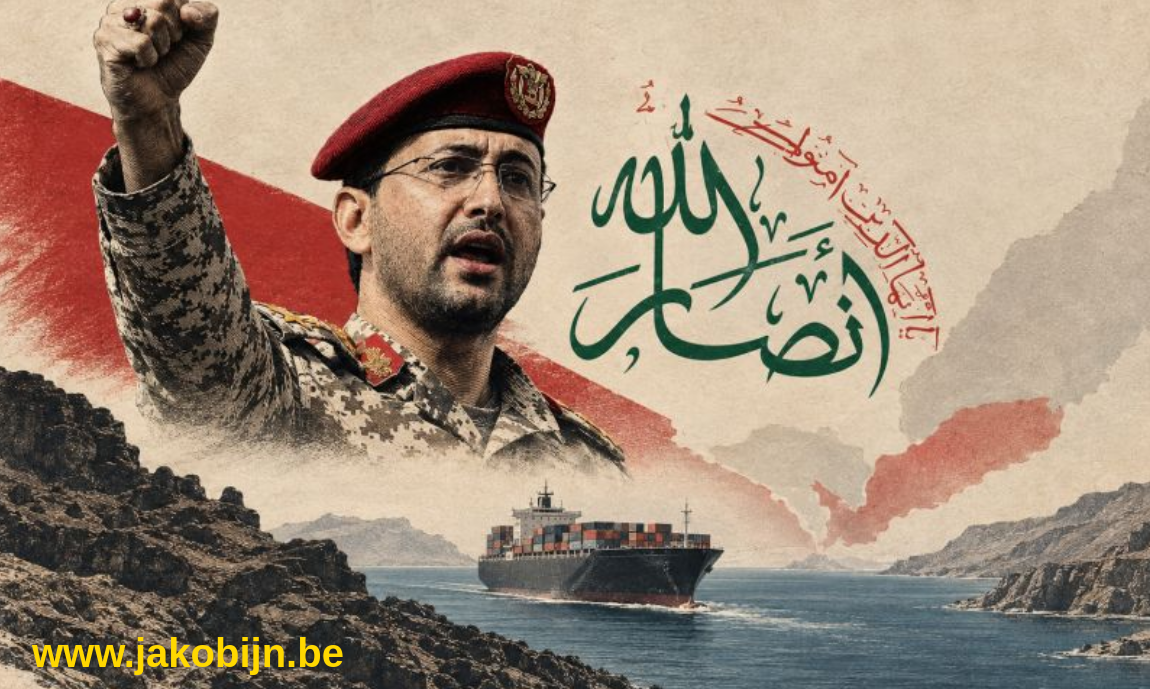
Ansar Allalah [Houthis] enjoys many perhaps unperceived advantages in its conflict against the ‘wealthy', westernised Saudi Kingdom. This is a war recently rekindled by Saudi’s September rupture of the 2022 Truce, when it bombed Sanaa’s international airport in July 2026 to prevent an Iranian civilian aircraft from landing. Saudi Arabia says that Trump explicitly approved the airport strike -- thereby opening the way for Ansar Allah to put aside the truce, and for war to flare up.
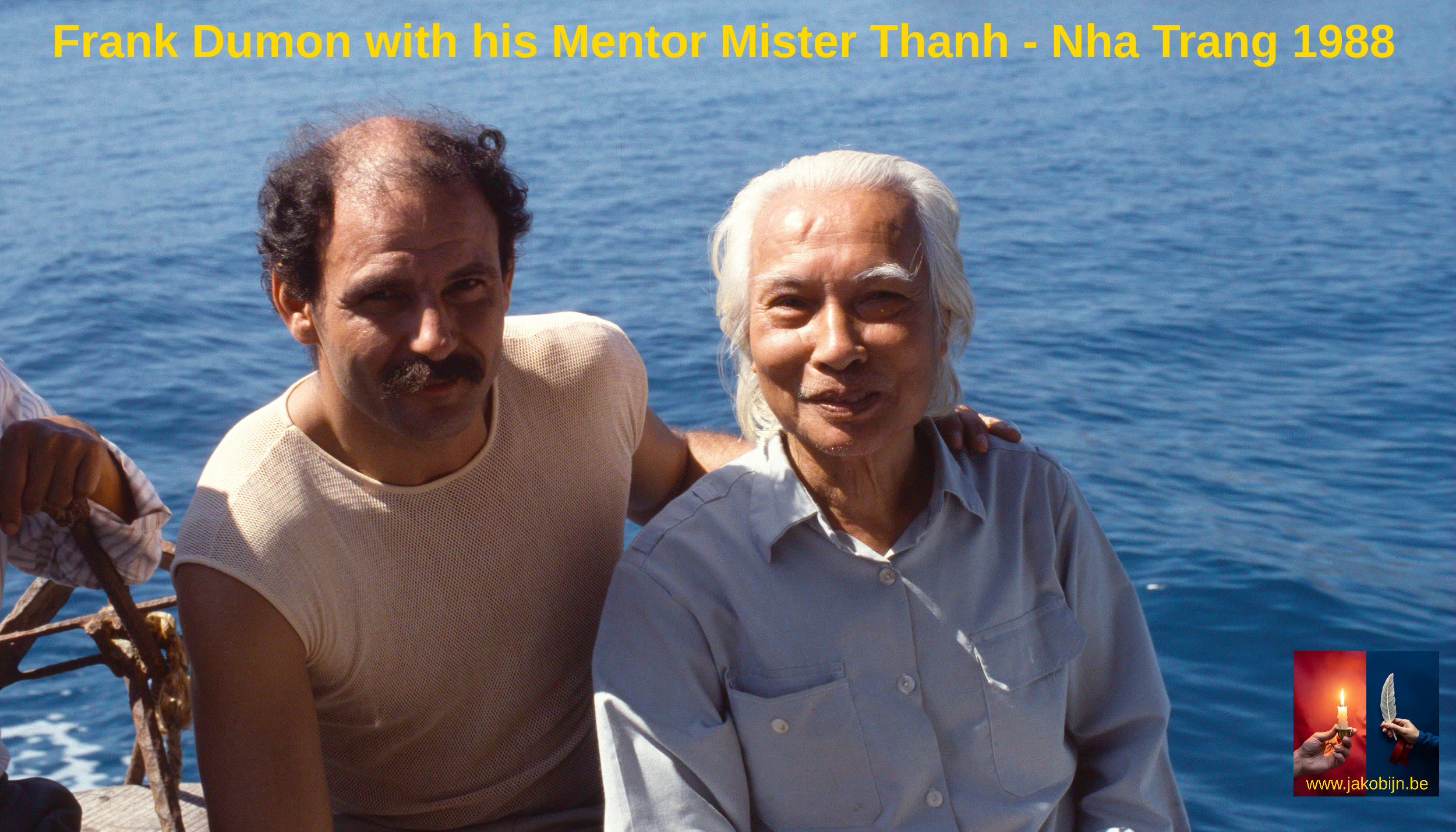
Are we truly losing our capacity for profound thought? This question, far from a simple cliché of technological nostalgia, constitutes one of the central issues of our time. In an era where information travels at the speed of light, where interruptions have become the norm, and where our impatience with complexity increases exponentially, we are witnessing a silent but profound transformation of our attention and critical thinking.
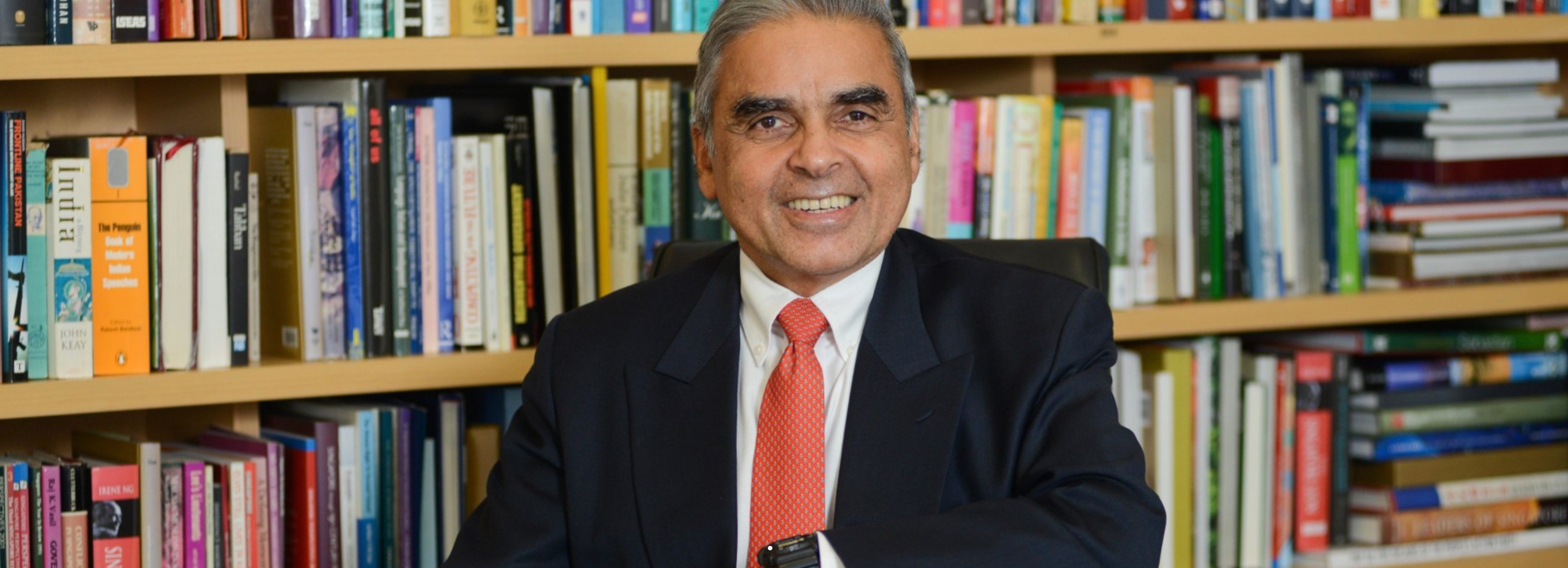
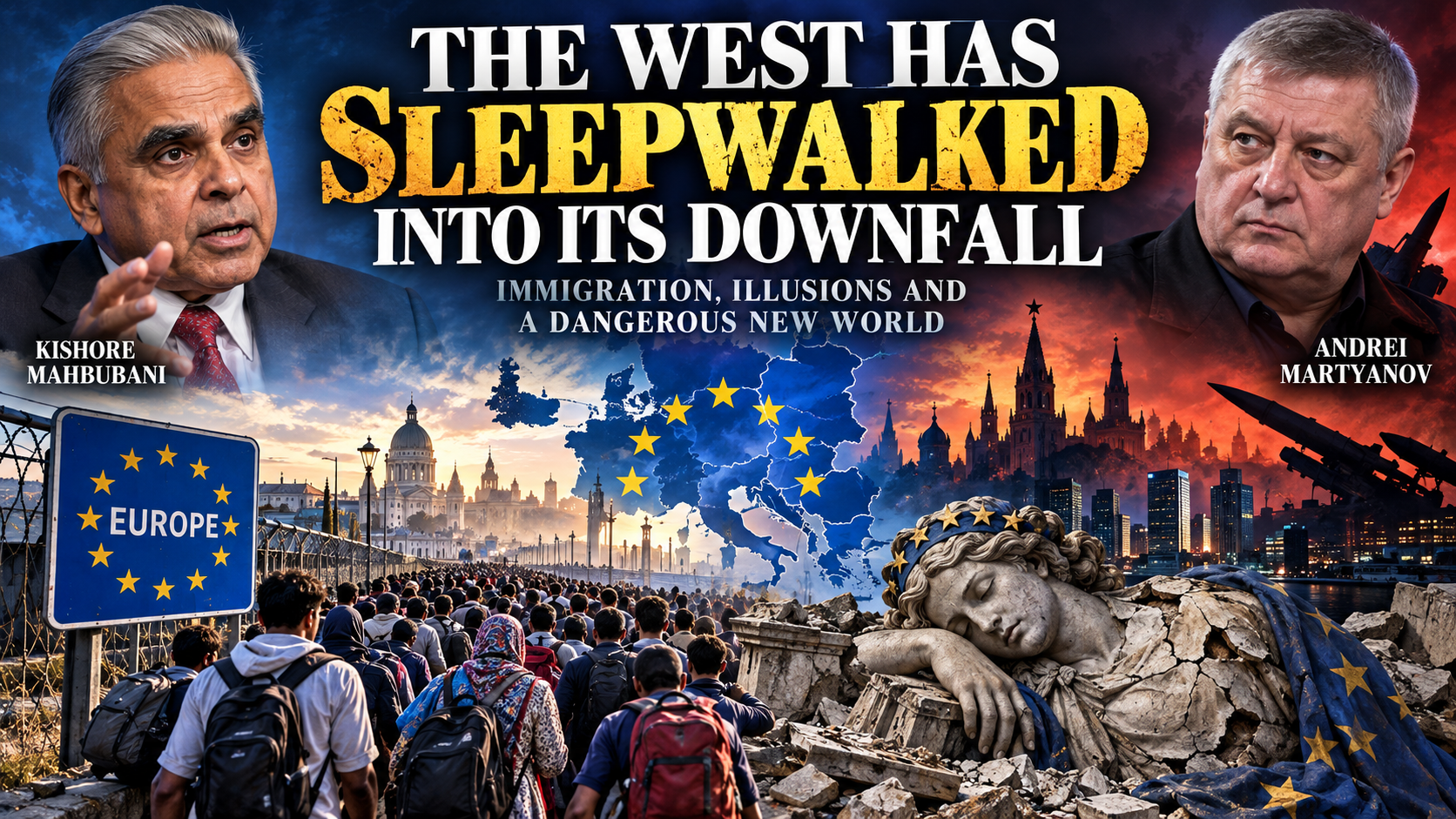
The contemporary geopolitical order is in a phase of irreversible transformation, a reality that the Western establishment still consistently denies or trivializes. Kishore Mahbubani, former Singaporean diplomat and president of the United Nations Security Council, paints an inexorably clear picture of this shift in his work. His analysis, anchored in both his personal memoirs Living the Asian Century and his geopolitical analysis Has China Won?, reveals a fundamental lack of strategic insight in Washington and Brussels. The West has not fallen due to an external, overwhelming adversary, but has, as Mahbubani aptly puts it, "sleepwalked into its downfall". This sleepwalking is the direct result of a deep-rooted arrogance, an outdated foreign policy, and an institutional hypocrisy that undermines the credibility of the Western world order.

The Vietnam War killed over three million people. But the story most of us learned in school — that it was simply about stopping communism — is dangerously incomplete. The real origins stretch back decades before the first American soldier set foot in Southeast Asia, through French colonial rubber plantations where seventeen thousand workers died on a single estate, through a jungle meeting where American spies saved the life of Ho Chi Minh, through eight letters sent to President Truman that were never answered, through a democratic election deliberately sabotaged because the wrong side was going to win, and through a naval attack on a stormy night in the Gulf of Tonkin that declassified NSA documents now confirm almost certainly never happened.
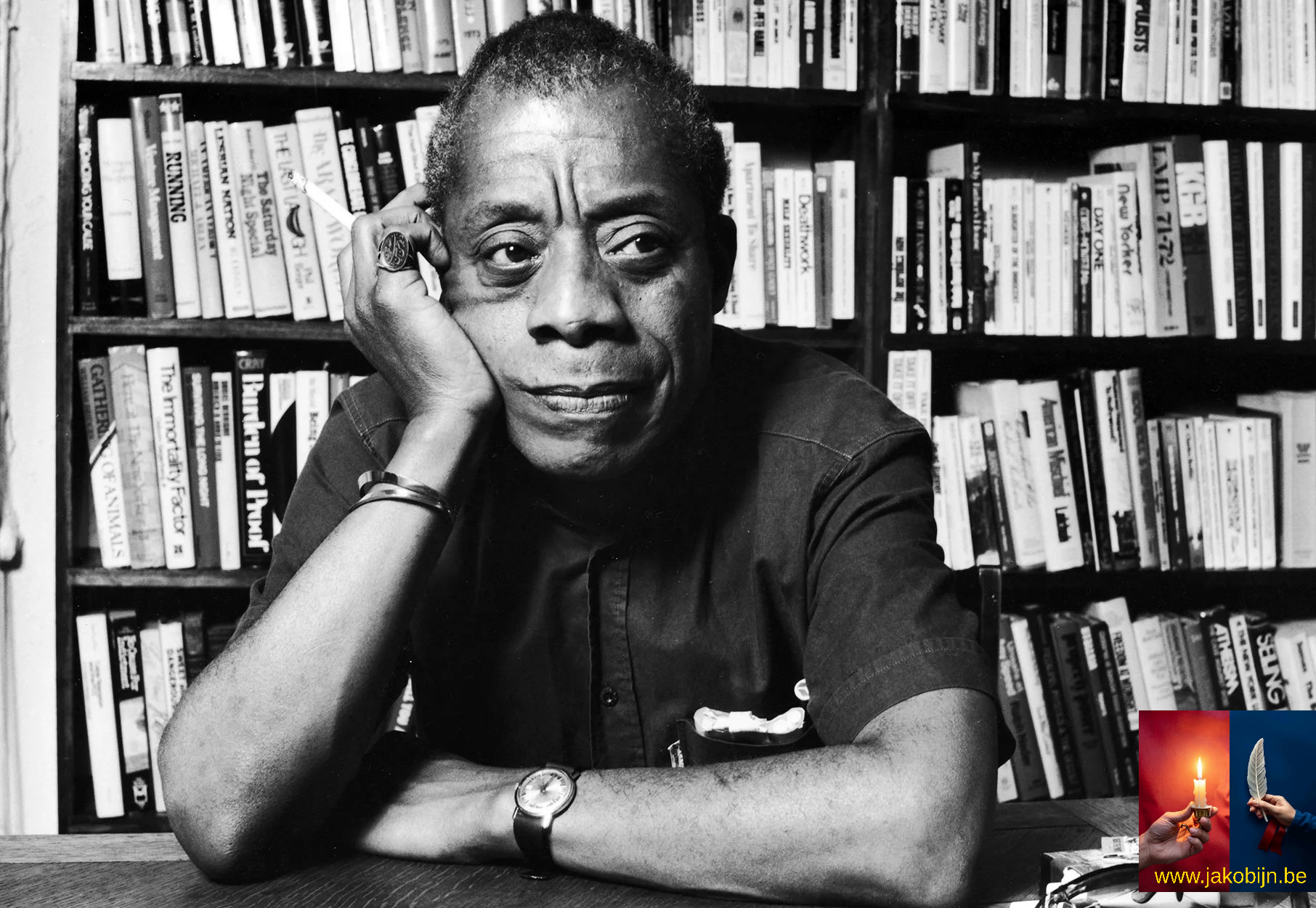
In an era characterized by historical amnesia, political polarization, and the persistent illusion of Western moral superiority, the work of James Baldwin (1924-1987) remains an uncomfortable, yet indispensable necessity. Baldwin was not merely an African-American writer or a spokesperson for the civil rights movement; he was one of the sharpest moral and intellectual analysts of the twentieth century. His work offers a devastating critique of the structures of power, racism, and imperialism that hollow out Western civilization from within. For the critical reader who wishes to look beyond the superficial rhetoric of contemporary political debates, Baldwin offers not comfort, but clarity. He forces us to ask the question not only of who we are, but what we are willing to destroy to maintain our self-image.

History bears witness to great minds who achieved incredible things. Nicola Tesla, Sir Isaac Newton, Blaise Pascal, Friedrich Nietzsche, Arthur Schopenhauer, and many others. But when one places the biographies of these exceptional individuals side by side, one striking common denominator stands out: the way they approached social interaction, or rather, how little they actually sought it. Many recognize this feeling. It is the experience of sitting in a room full of people, at a reception or in a crowded café, and instead of feeling energized by the social buzz, feeling drained and exhausted. The only wish that remains is the urge to escape, to retreat into the quiet space where one can read, think, observe, or simply be alone.
AI & Open Source
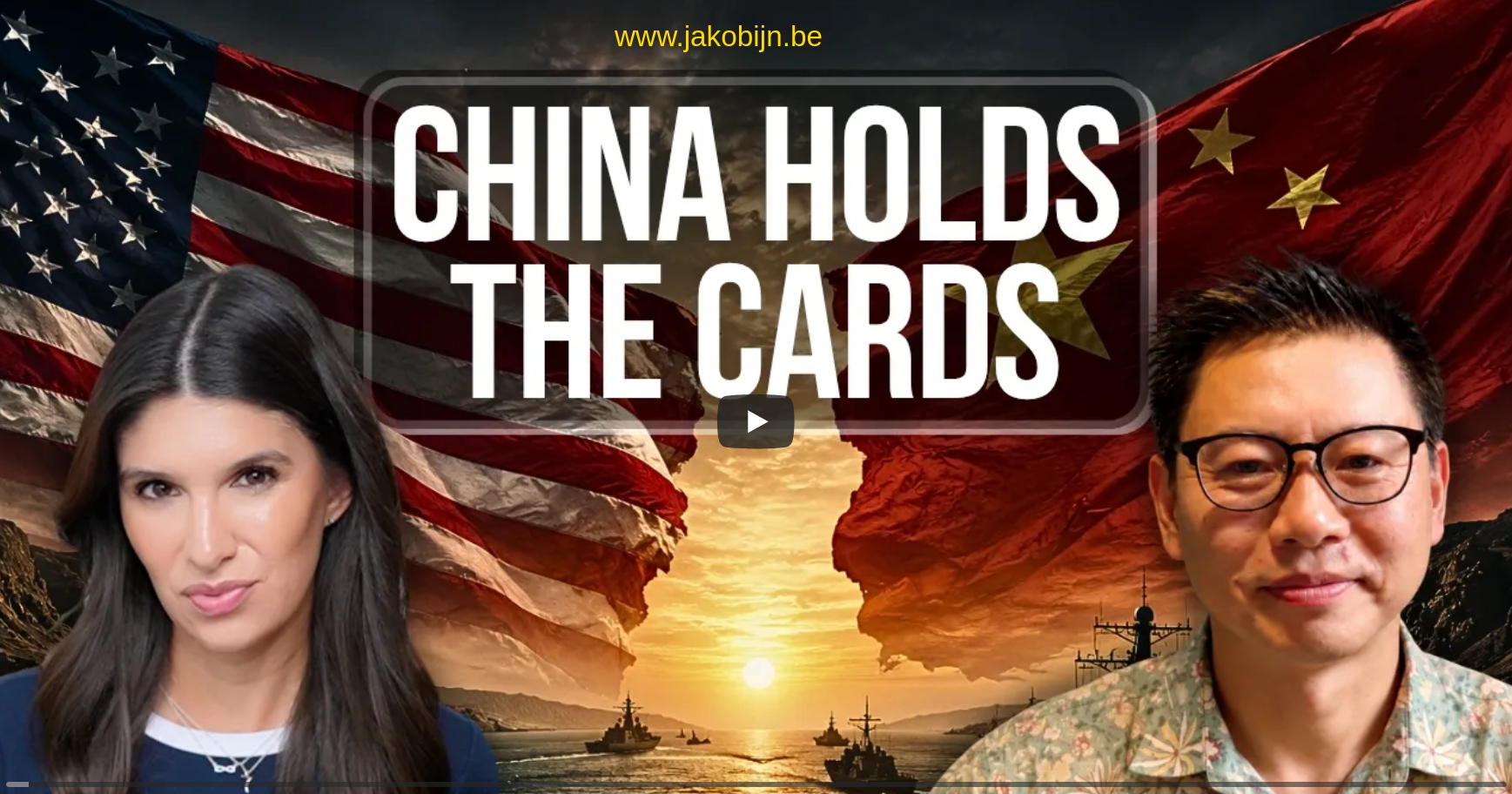
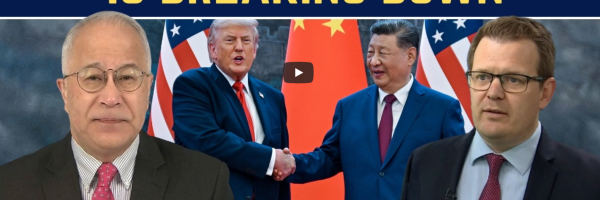
The meeting between Donald Trump and Xi Jinping in Washington reveals a remarkable paradox: the United States increasingly regards China as its main strategic competitor, while at the same time remaining heavily dependent on that same China for technology, industrial production and critical raw materials. The overwhelming message was: China holds the cards. From trade to rare earths, technology, AI, and so on. KJ Noh, an independent journalist specializing in the geopolitics of the Asia-Pacific region, noted that there are growing concerns that the United States could escalate to the use of tactical nuclear weapons as it loses its aggressive war against Iran and fails to contain China.
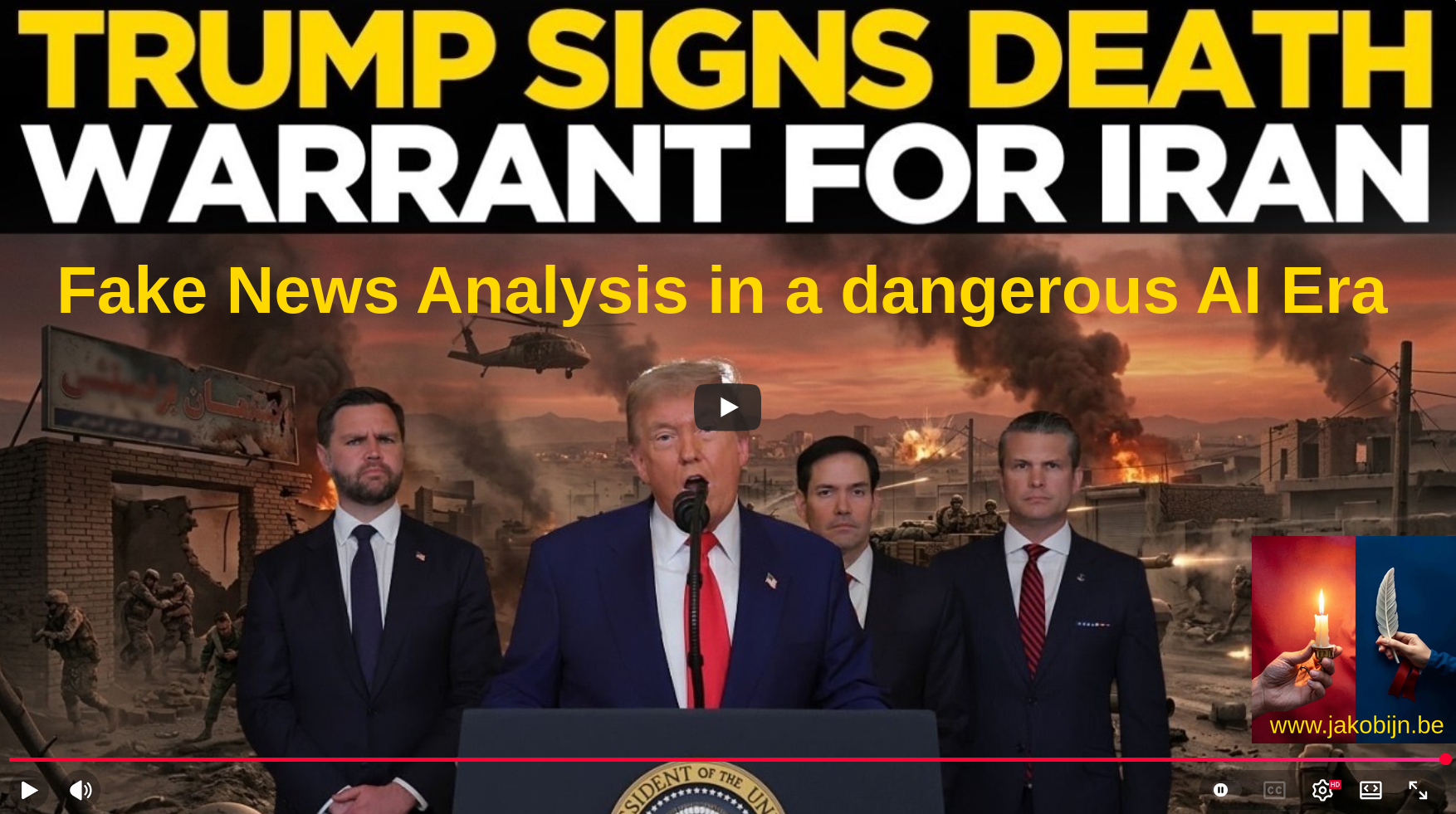
When you watch a video with the sensational title "Trump Drops Nuke Tonight on Iran | Major Global Update | Breaking News" and you experience a feeling of disbelief, you are the victim of exactly the psychological reaction that the makers of this video intended. In the current media landscape of September 2026, the boundary between reality and fiction has blurred due to the lightning-fast rise of artificial intelligence (AI), deepfakes, and advanced propaganda models. The transcript that I shared with Qwen reads like the script of an apocalyptic thriller. It describes an American president who claims to have destroyed the Iranian navy and air force in three days, who threatens to bomb the entire country back to the "Stone Age" by devastating all bridges and power plants, who claims the oil of Venezuela as "war spoils," and who declares that God approves of his military actions.

Human vulnerability is exposed nowhere more painfully than in a doctor's consultation room. It is a space presumed to stand for science, empathy, and recovery, but in practice often degenerates into a theater of arrogance, systemic inertia, and dangerous complacency. Exactly one year ago, I, a 79-year-old man with a life full of international experience and a deep respect for knowledge, landed in a medical nightmare that nearly cost me my left foot. What began as intense back pain, through a sequence of medical errors, drug side effects, and professional hubris, degenerated into a life-threatening infection. This personal odyssey, however, is not unique. It is a microcosm of a much larger, Western problem. Our healthcare system, particularly in Belgium, is frozen in a monopoly position protected by the RIZIV, the mutualities, the pharmaceutical industry, and a medical establishment that dismisses any form of external control or criticism as nonsense.

Prompt Engineering in Practice: How AI Transformed 'Sultans of Swing' into 'The Alley Cats of Swing'
The graphical capabilities of artificial intelligence are now virtually unlimited. As we recently discussed in our article on why open-source AI and new operating systems are displacing traditional tools like Photoshop, power is shifting from expensive software packages to accessible, intelligent workflows. Today, we dive deeper into the world of video-to-video transformation. We analyze a playful yet technically impressive case study: the transformation of the classic Dire Straits - Sultans Of Swing into the animated parody Dire Strays - The Alley Cats Of Swing. How is a legendary band transformed into a group of playing street cats without losing the iconic atmosphere and movement? The answer lies in advanced Prompt Engineering.

Since the launch of De Jakobijn in March 2026, I regularly receive the same question: "How do you manage to formulate such complex geopolitical and social problems so clearly and simply? Where do you find the time to analyse all those sources?" Today I will give you an honest answer. An answer that may be surprising, but which fits perfectly with the vision of this website: Progress through Solidarity and the Sharing of Knowledge. The honest answer is this: without artificial intelligence, De Jakobijn would not exist.
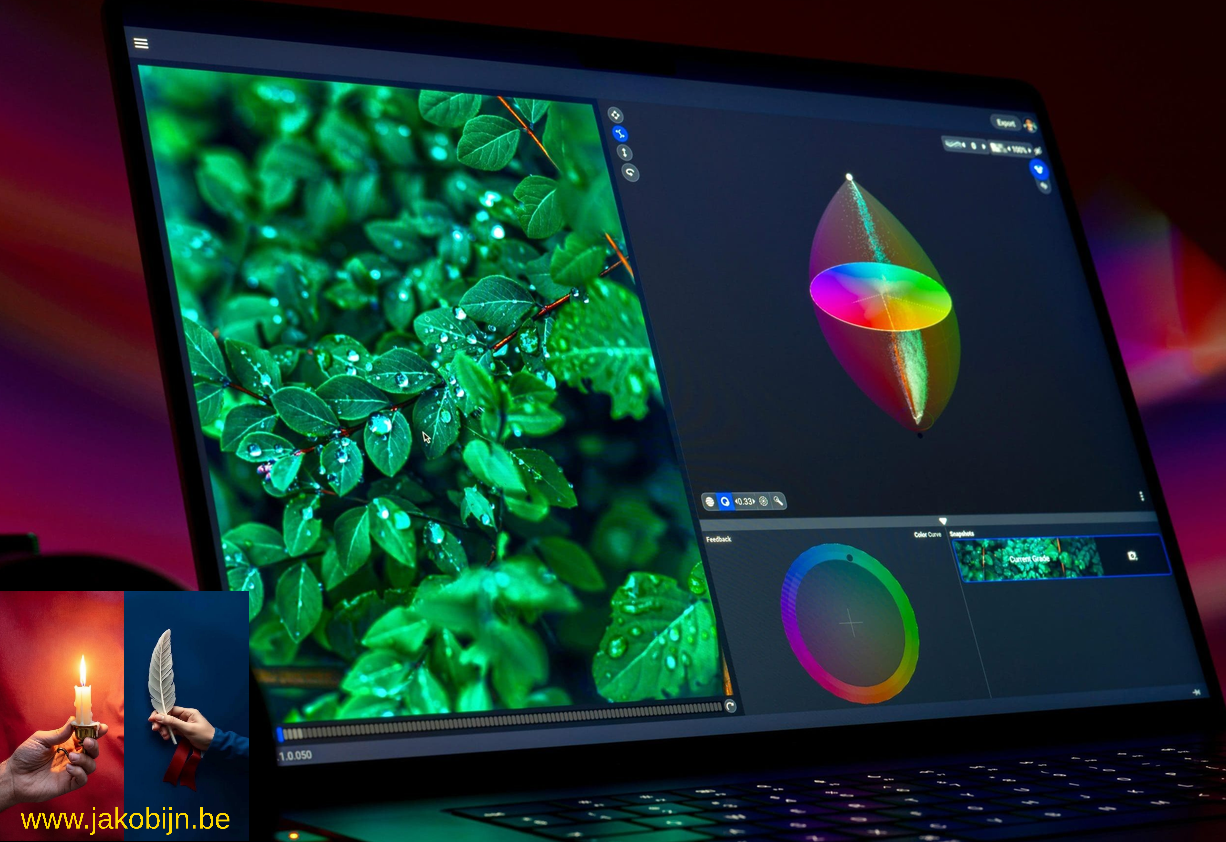
For over three decades, Adobe Photoshop has been considered the undisputed champion of digital image editing. From professional photographers and graphic designers to marketing teams and hobbyists, the name Photoshop has become synonymous with digital manipulation. However, in 2026, we find ourselves in a period of fundamental technological and geopolitical shifts. A new challenger has entered the stage that not only challenges this long-standing dominance but threatens to dismantle it: artificial intelligence (AI), intertwined with the rise of open-source software, Linux Mint, and Harmony OS.

Recently I bought a dream PC. An AMD Ryzen 9 9950X3D, an RTX 5070, 64 GB RAM and a 2 TB Samsung 990 Pro NVMe solid state drive for € 4,110. And then I made the mistake of also choosing Windows 11 alongside Linux Mint as a "dual boot". Within minutes I was staring at something that felt less like an operating system and more like a surveillance tool with a start menu. Microsoft wanted my email address. Microsoft wanted my phone number. Microsoft wanted me to use Edge, Microsoft wanted me to buy Office 365 instead of LibreOffice, Microsoft wanted me to "entrust" my data to the cloud...

The open-source world never stands still, but the recent closure of the merge window for the Linux kernel 7.3 marks a particularly crucial turning point in the history of the operating system. What once began as a hobby project by a Finnish student has grown into the backbone of global digital infrastructure, from supercomputers to space probes. However, with this scale comes a system under pressure. The Linux 7.3 release, whose first release candidate (rc1) was issued by Linus Torvalds in late August 2026, brings not only enormous performance gains in memory management, file systems, and GPU support, but also reveals the systemic vulnerabilities of an ecosystem overwhelmed by artificially generated code.

When European policymakers speak about digital sovereignty, it often sounds like a story of independence, innovation, and strategic autonomy. We are investing heavily in open source software to break free from the grip of American tech giants like Microsoft, Google, and Amazon. Europe wants control over its own data, its own systems, and its own digital future. But there is an uncomfortable truth that is rarely mentioned in policy documents or press conferences: this European sovereignty rests on an invisible, chronically underfunded foundation. The name of that foundation is PHP.
Energy & Science
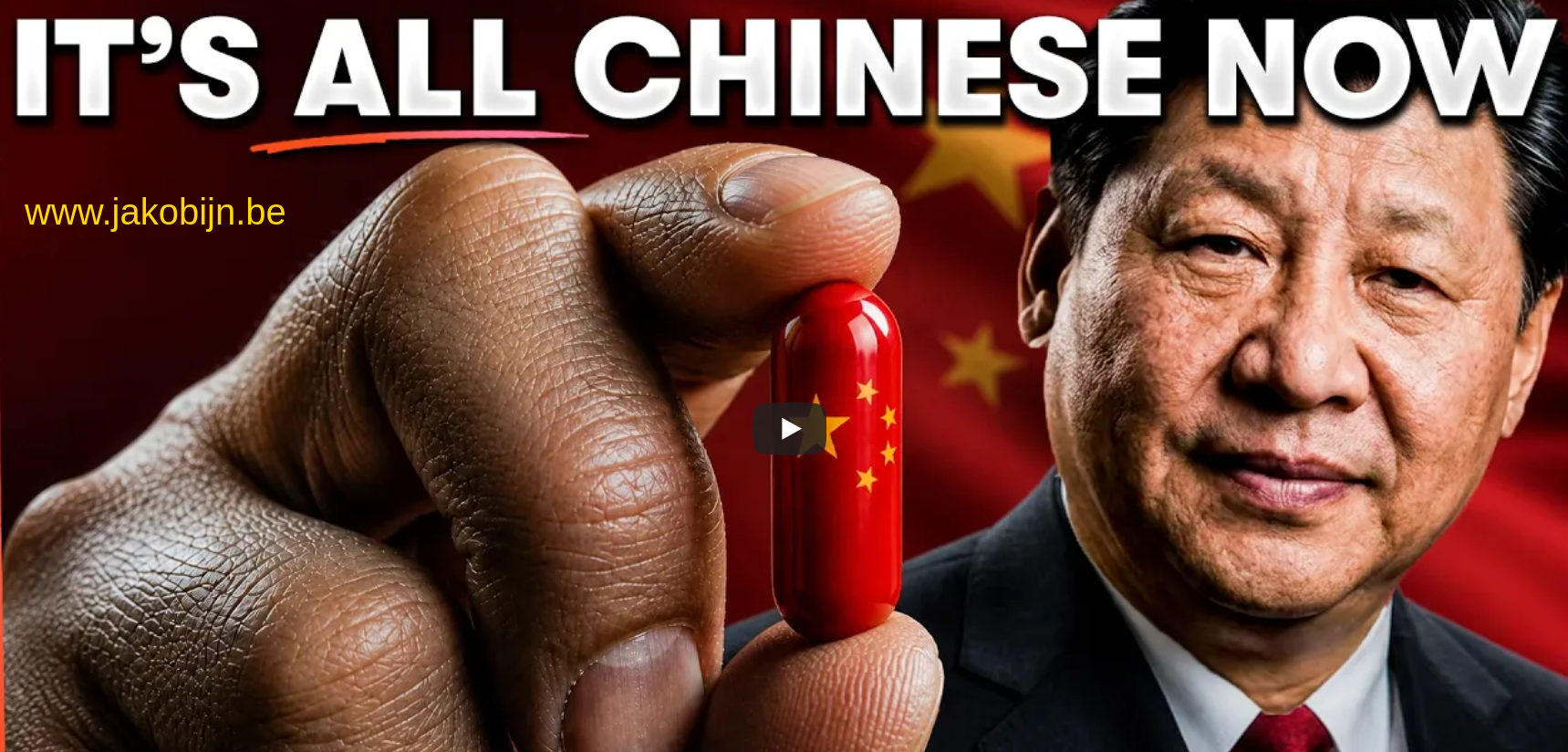
For decades, the global pharmaceutical industry was dominated by a handful of Western conglomerates headquartered in the United States, Switzerland, and the United Kingdom. China was consistently portrayed in this narrative as the 'factory of the world': a low-cost manufacturing country that actively supplied pharmaceutical ingredients but lagged years, if not decades, behind in genuine, groundbreaking innovation. However, that narrative is no longer tenable. In a remarkable and rapid transformation, the Chinese pharmaceutical sector has evolved from a purely executing power into a global powerhouse of medical innovation. This shift is not an accidental economic fluctuation, but the result of a deliberate, state-facilitated strategy combined with a new generation of exceptionally talented scientists and entrepreneurs.
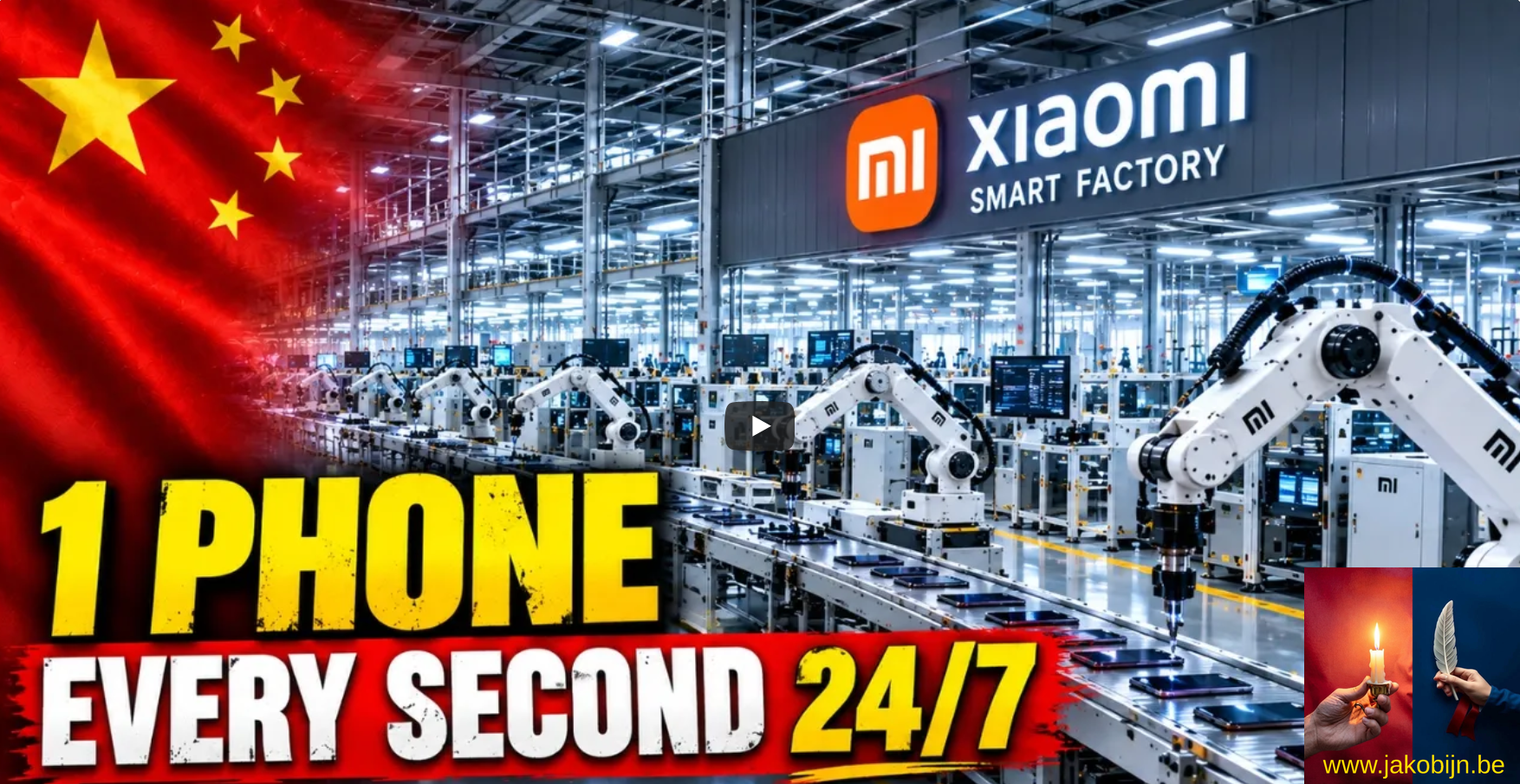
Somewhere in the Changping district, on the outskirts of Beijing, there is a production floor where the lights can remain off for hours. No one down there needs light to work. The robots have taken over, and yet the phones keep coming. One device after another, so fast that this facility delivers a brand new smartphone approximately every second at full speed. Not even per minute, not per hour, but per second. Unceasingly, like a heartbeat that never skips a beat. The phone you're carrying in your pocket right now could very well come from such an environment. A place where a bare circuit board enters at one end, and in the time it takes you to speak one sentence aloud, a fully assembled, tested and packaged phone rolls out the other end.
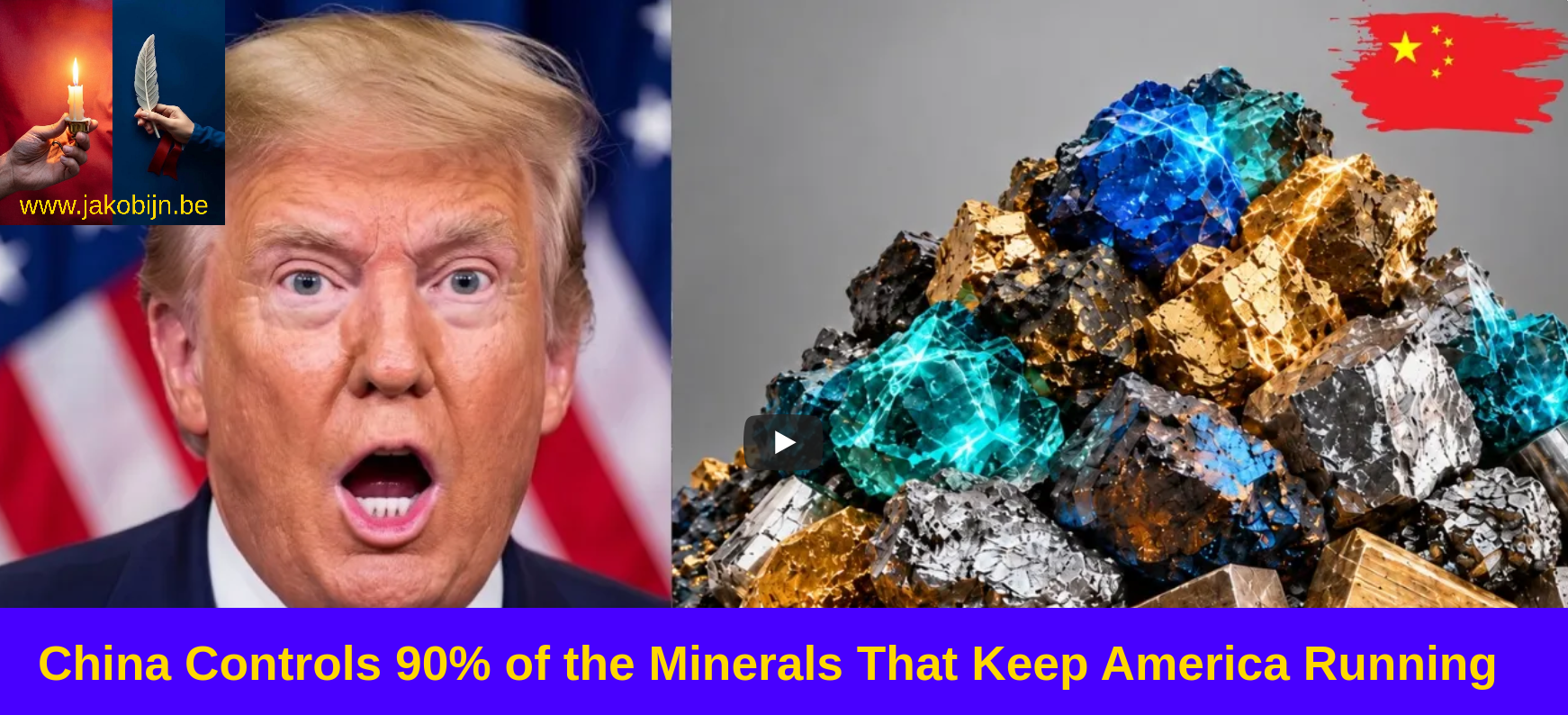
There is a secret hiding inside almost everything you touch today. The phone in your hand, the car in your driveway, and the jets flying over your city all need a handful of minerals with names you probably have never heard. Things like neodymium, gallium, and dysprosium. These minerals are tiny but powerful. Without them, your phone would not light up, your car would not start, and the planes protecting the country would not fly.
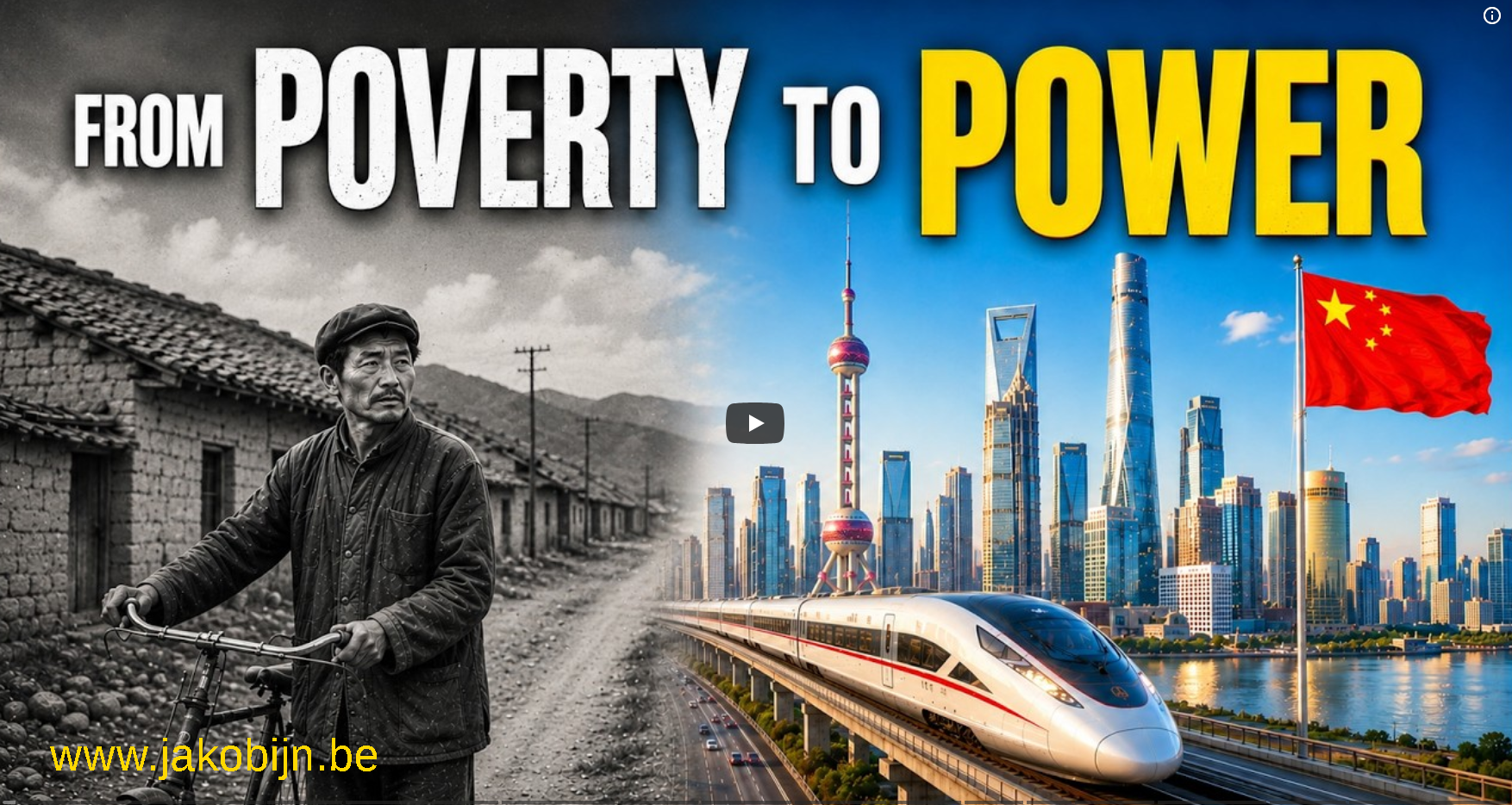
How did China transform from a poor agricultural country into the factory of the world and one of the most powerful economies globally in just 40 years? Why did Deng Xiaoping's reforms succeed while the Soviet system ultimately collapsed? This documentary tells the complete story of China's economic miracle: the death of Mao Zedong, the aftermath of the Cultural Revolution, the rise of Deng Xiaoping, the initial reforms of 1978, the dismantling of rural communes, the rise of private entrepreneurship, the establishment of special economic zones, and the explosive growth of Shenzhen.
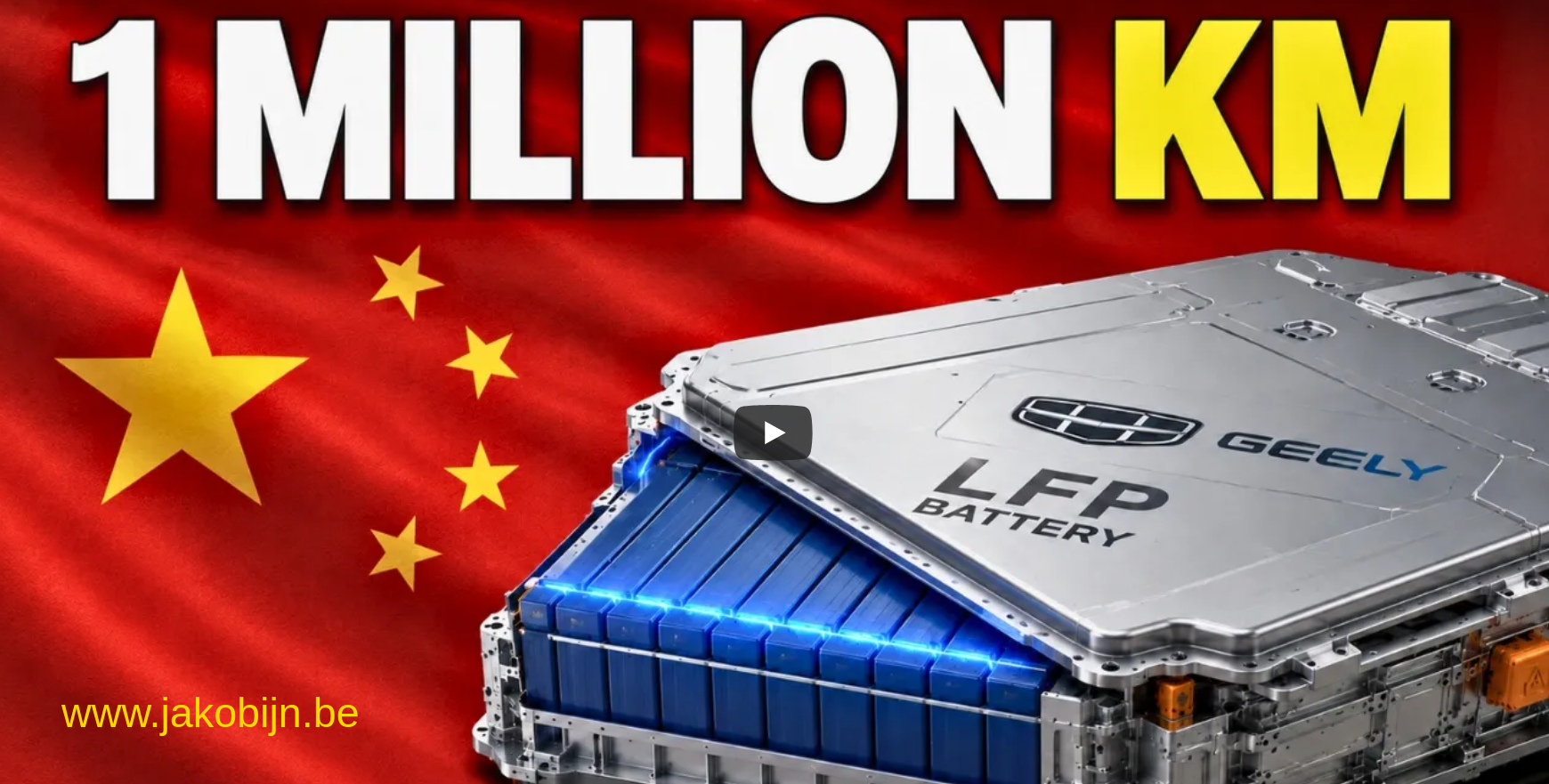
The Western automotive industry has for decades lived off a tacit but deeply rooted contract with the consumer: planned obsolescence. An internal combustion engine is, by its very nature, an assembly of friction, heat, and vibration. Piston rings wear out, gaskets fail, and timing chains stretch. Anyone who reaches 300,000 kilometers in a conventional car without major overhauls has already beaten the statistics. This inherent limitation was not merely a technical flaw; it was the economic engine that sustained the second-hand market and the consumer's cyclical urge to replace. But this era of forced replacement is approaching its end, and the death knell is not being sounded by a Western innovator, but by the relentless, pragmatic engineering from China.

Look at the phone in your hand. Look at the top right corner of the screen. There you see a battery icon. Every night, without exception, you plug that device into the wall outlet. If you forget, your Apple device costing 1,200 euros turns into a useless piece of glass by midday. For fifteen years now, American tech giants like Apple, Google, and Samsung have been trying to convince us that this is simply the reality of modern technology. You want a faster phone? Then you'll have to learn to live with battery anxiety. But while Silicon Valley fights this battle against the laws of physics, a historic disruption is taking place in China that renders the entire iPhone ecosystem obsolete.

In contemporary geopolitical and technological discourse, we are constantly presented with a narrative of relentless competition, technological separation, and the so-called necessity of 'decoupling' between the West and China. American politicians and policymakers speak with great pathos about containing China's technological rise, imposing sanctions, and protecting Western innovation through exclusivity. Yet, when we pierce through the rhetoric and look at the hard, undeniable facts of the market, a completely different picture unfolds. A picture where the so-called unbridgeable gap is not only bridged, but where Chinese innovation fundamentally rewrites the rules of global capitalism.

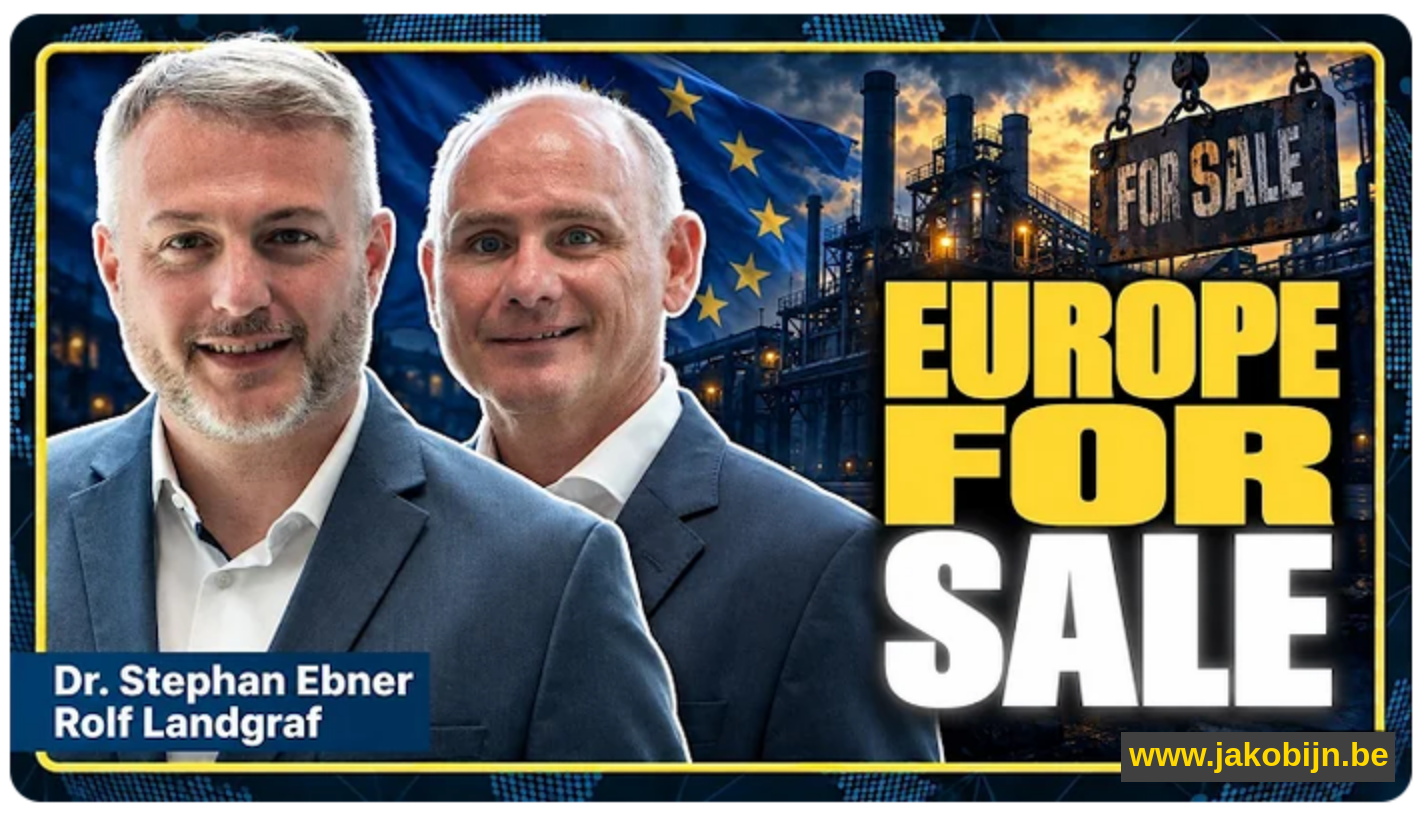
Europe's energy supply is in a state of deep, structural vulnerability—a reality systematically downplayed or wrapped in a narrative of triumphant resilience by the official channels of the European Union. While the European Commission, led by Ursula von der Leyen, attempts to convince the world of a successful transition and an overcome dependency, the hard market figures and fundamental economic analyses point to a very different truth. Europe stands on the brink of a potentially catastrophic energy crisis, where prices are not merely fluctuating cyclically but are structurally driven up by a combination of physical market tightness, a fundamentally flawed market design, and short-sighted geopolitical policy.

As a civilization that builds with self-healing concrete, carbon-fiber rebar, and algorithmic structural optimization, we look back at our ancestors with a patronizing fondness. We look at medieval cathedrals or colonial fortresses and marvel that they managed to stand at all, assuming their builders were operating on blind luck, superstition, and an abundance of manual labor. But then we look at our own infrastructure. Our modern highway overpasses sprout structural cracks within three decades. Our concrete high-rises are plagued by "concrete cancer" (alkali-silica reaction) and structural degradation before their first major centennial.
Videos
There Is a Moral Lesson in All of This
Anyone who speaks about these people as though they were inferior people, as though theirs were an inferior civilization, is an idiot. An absolute idiot, if he truly believes what he is saying. Then you do not know enough history. You do not understand enough geography, and you do not know the history of empires well enough to face the truth. Instead, you are simply lying straight to these people's faces. It is time for us to leave. It is time for us to be driven out of Southwest Asia. What have we actually done there? Almost every day, we…
Russian President Vladimir Putin answers a media question about the recent German elections, the rise of the Alternative for Germany (AfD), and the broader political trends unfolding across Europe. Putin discusses what he describes as systemic political, security and economic mistakes by Western countries, including NATO’s eastward expansion, the Ukraine conflict and Europe’s energy policy. He also addresses Europe’s gas prices, Germany’s energy situation, and the legacy of former German Chancellor Helmut Kohl’s approach to relations with Russia.
New Delhi,…
In a recent statement, French Foreign Minister Jean-Noël Barrot rejected the geopolitical terms "Global South" and "Collective West," dismissing them as artificial political concepts designed to divide the world. Instead, he proposed that the true divide lies between nations that support a "multilateral, rules-based international order" and those that do not. Accompanying this rhetorical shift, France announced it will abandon the centuries-old Mercator projection in official maps to better reflect the true size of continents, notably Africa.
While the move away from the Mercator…
While the move away from the Mercator…
Volodamir Zelensky's recent threats against Russian airports and passenger planes have been the last straw for Moscow. The Kremlin is well aware that Zelensky would never have dared to make such statements without the approval of his masters in the European Union and Britain. Judging by the statements of numerous influential Russian politicians, it becomes clear that Moscow may perceive terrorist attacks on its airports and civilian aircraft as a joint action by Ukraine in Europe.
Deputy Chairman of the Security Council of the Russian Federation, Dmitry Medvedev, also added fuel to…
Deputy Chairman of the Security Council of the Russian Federation, Dmitry Medvedev, also added fuel to…
The True Origin of the Vietnam War: What Historians Get Wrong
The Vietnam War killed over three million people. But the story most of us learned in school — that it was simply about stopping communism — is dangerously incomplete. The real origins stretch back decades before the first American soldier set foot in Southeast Asia, through French colonial rubber plantations where seventeen thousand workers died on a single estate, through a jungle meeting where American spies saved the life of Ho Chi Minh, through eight letters sent to President Truman that were never answered, through a…
The Vietnam War killed over three million people. But the story most of us learned in school — that it was simply about stopping communism — is dangerously incomplete. The real origins stretch back decades before the first American soldier set foot in Southeast Asia, through French colonial rubber plantations where seventeen thousand workers died on a single estate, through a jungle meeting where American spies saved the life of Ho Chi Minh, through eight letters sent to President Truman that were never answered, through a…
Why Europe’s Gas Prices Have Doubled And Why Winter Could Be Worse
Europe's gas prices have doubled this year. But the bigger problem is what happens next. Prices have surged roughly 120% since January, even though winter is still months away. So why is gas getting more expensive now? Because Europe is being squeezed from both sides. Demand is rising, just as supply is tightening, while gas storage remains well below, where Europe wants it before winter. And that creates one crucial question. What happens if the code arrives before the gas does?
Start with the heat wave.…
Europe's gas prices have doubled this year. But the bigger problem is what happens next. Prices have surged roughly 120% since January, even though winter is still months away. So why is gas getting more expensive now? Because Europe is being squeezed from both sides. Demand is rising, just as supply is tightening, while gas storage remains well below, where Europe wants it before winter. And that creates one crucial question. What happens if the code arrives before the gas does?
Start with the heat wave.…
HP wages a bitter, and ultimately futile, battle against China
Two recent developments surrounding the American technology company HP (Hewlett-Packard) illustrate this paradox in a way that feels almost literary. On the one hand, HP, one of Silicon Valley's oldest and most established technology giants, pays licensing fees to Huawei, a Chinese company placed on Washington's infamous 'Entity List'.
On the other hand, HP wages a bitter, and ultimately futile, battle against an ecosystem of compatible ink cartridges worth only 3 dollars, produced in the Chinese city of Zhuhai.…
Two recent developments surrounding the American technology company HP (Hewlett-Packard) illustrate this paradox in a way that feels almost literary. On the one hand, HP, one of Silicon Valley's oldest and most established technology giants, pays licensing fees to Huawei, a Chinese company placed on Washington's infamous 'Entity List'.
On the other hand, HP wages a bitter, and ultimately futile, battle against an ecosystem of compatible ink cartridges worth only 3 dollars, produced in the Chinese city of Zhuhai.…