
The Fall of the Hegemon: How an Exhausted America Loses Its Empire

By Frank Dumon
The Catch-22 of a Depleted Arsenal
In the world of military strategy, there is an unwritten rule: you cannot win a war with words alone—only with materiel. And in that regard, the United States finds itself in an existential crisis that the Pentagon itself barely dares to admit. Years of interventions in the Middle East, endless support for Ukraine, and escalating tensions with Iran have drained American ammunition stocks to the bone.
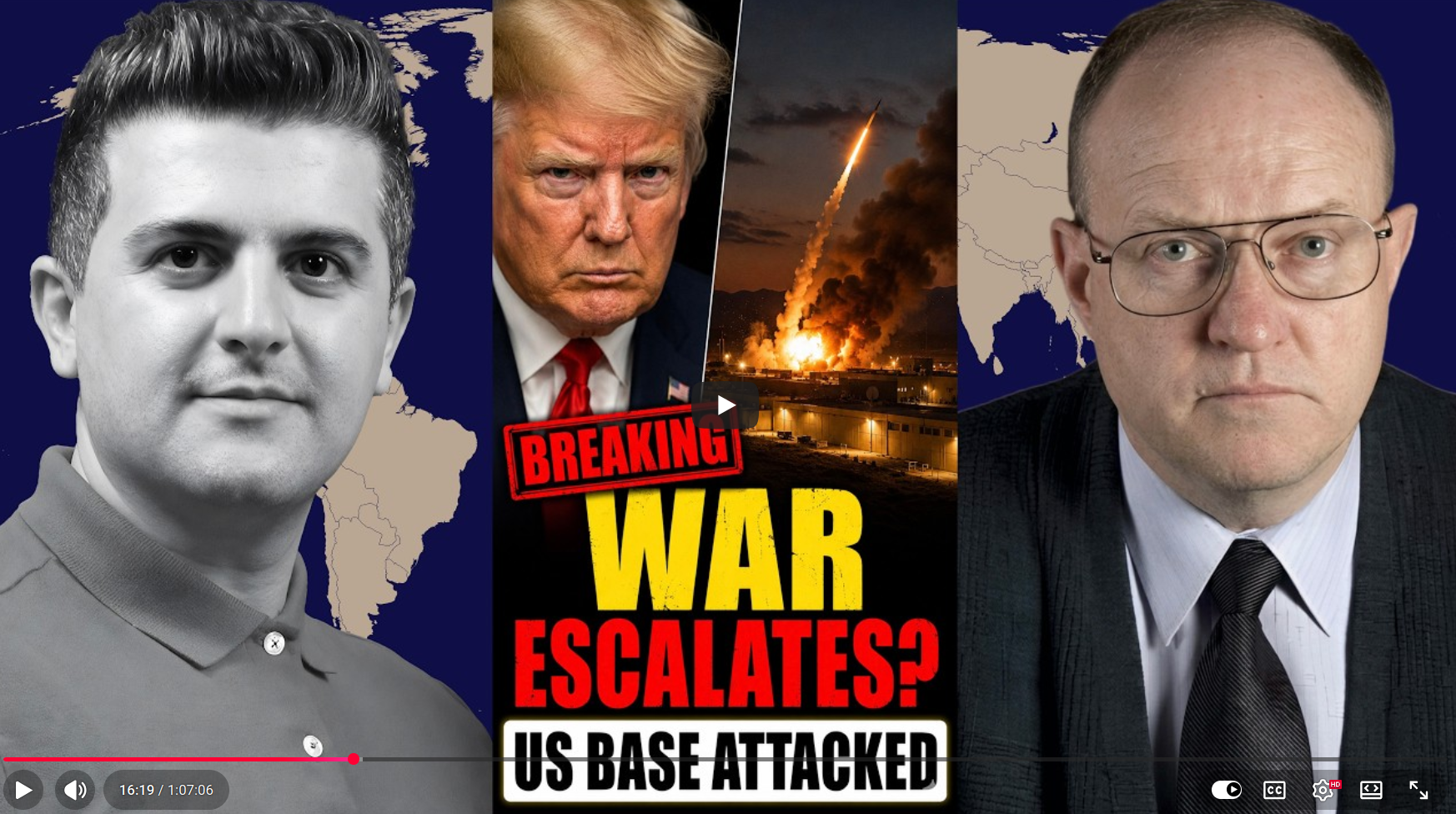
Colonel Larry Wilkerson, a man who operated for decades in the highest echelons of American foreign policy, puts it bluntly in his conversation with Alkhorshid: American generals "no longer know what to do" [[1]]. It is a remarkable confession for a military apparatus that had presented itself for decades as the world's undisputed police force. The U.S. armed forces find themselves in what literature calls a Catch-22: they cannot fulfil their imperial obligations with the materiel they have left, yet political loyalties and loss of face forbid them from strategically capitulating or withdrawing.
The figures are alarming. Precision-guided munitions, the backbone of modern warfare, cost hundreds of thousands to millions of euros per unit. When a conflict escalates—as is currently the case in the Middle East—these stocks are consumed at a rate that the industrial capacity of the United States simply cannot keep up with. The American defence industry, once the beating heart of the Western war machine, suffers from structural capacity problems, shortages of specialised personnel, and a supply chain increasingly vulnerable to disruptions.
Denial in the White House
What makes this material exhaustion even more dangerous is the lack of realism at the highest political levels. Wilkerson points to a leadership that ignores the physical limits of American power and clings to the illusion of absolute supremacy. He describes a situation in which the president—in his analysis embodied by a demented Trump—does not realise that his weapons stocks are depleted and that he has manoeuvred himself into an untenable position.
This is not a new dynamic in American history. An empire tends to deny its own decline until it is too late. The British Empire continued for decades after World War II to act as though it were still a world power, while the economic and military reality told a different story. The United States is now in a similar phase: the rhetoric of intransigence masks a fundamental strategic exhaustion.
American generals, Wilkerson argues, are trapped in this paradox. They know they cannot win the war with the means they have, but they cannot admit this openly without risking their careers or undermining the political order. The result is a military strategy that runs on bluff, empty magazines, and a fundamental misunderstanding of the new multipolar reality.
The Destruction of the Israeli Project
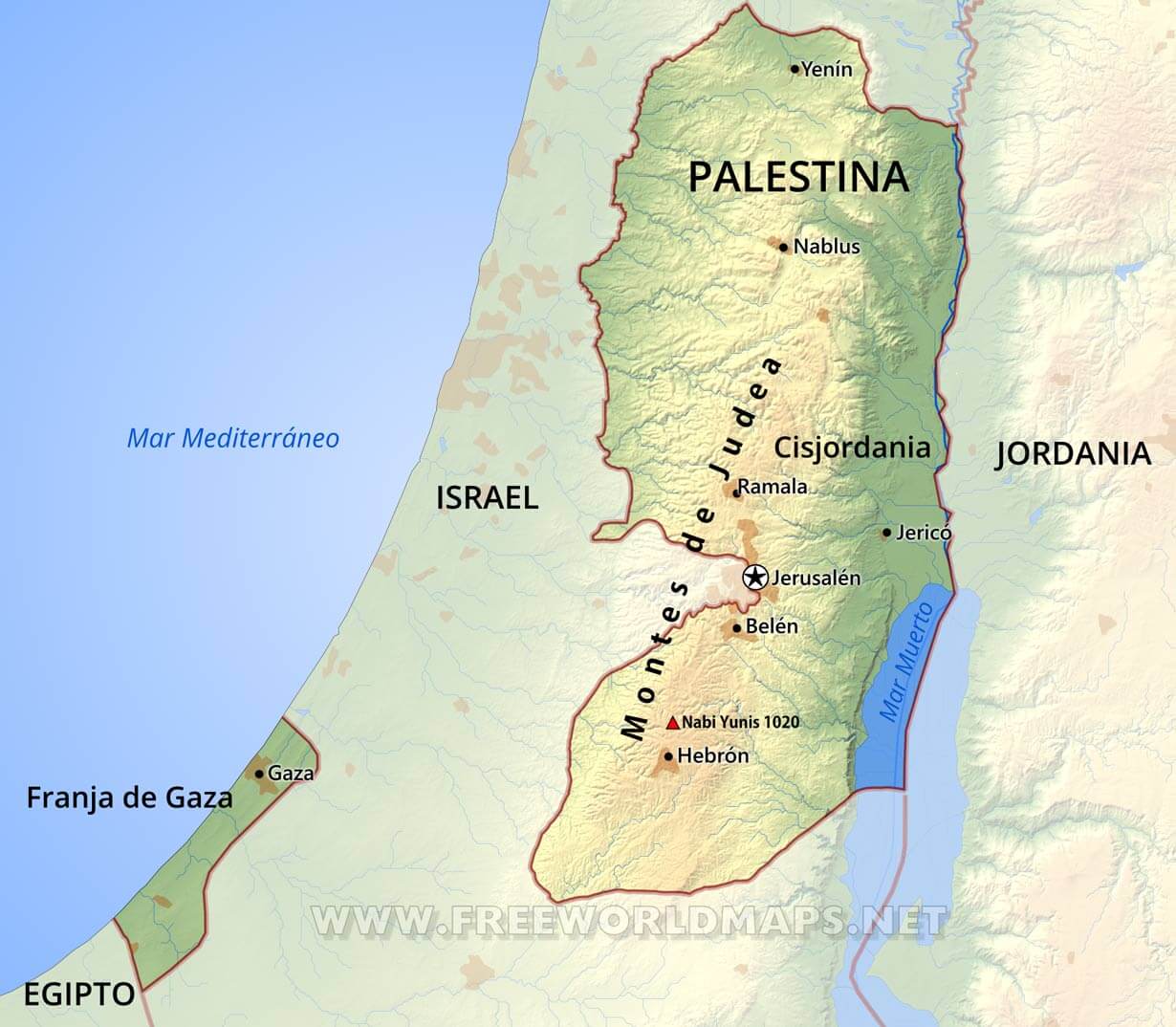 This material depletion has the most dramatic consequences in the Middle East, and more specifically in Israel. Wilkerson predicts bluntly in his interview that the Israeli part of Palestine will be destroyed. It is a prediction that would be dismissed as blasphemy in Western mainstream media, but which follows from a cold military calculus.
The myth that air superiority and advanced technology can sustain an occupation forever has been shattered. Israel has long relied on American military support, from Iron Dome to advanced fighter jets and precision-guided munitions. But when American supply lines come under pressure—through a combination of its own wars, logistical challenges, and political priorities—Israel stands alone.
Israel's regional adversaries, particularly Iran, have understood this vulnerability perfectly. They are not waging a conventional war that would highlight Israel's technological superiority, but a war of attrition that precisely targets those weak points. Drone swarms, asymmetric attacks, and striking American bases and supply lines in the region: these are all tactics that undermine the logistical chain of the Israeli-American alliance.
Wilkerson points out that Israel "has no way out" anymore. The options are limited: either the conflict escalates into a nuclear confrontation that would set the entire region ablaze, or Israel accepts a strategic defeat that would mean the end of the Zionist project. Both scenarios are catastrophic, not only for Israel itself, but for the entire Western presence in the Middle East.
The Collapse of American Logistics
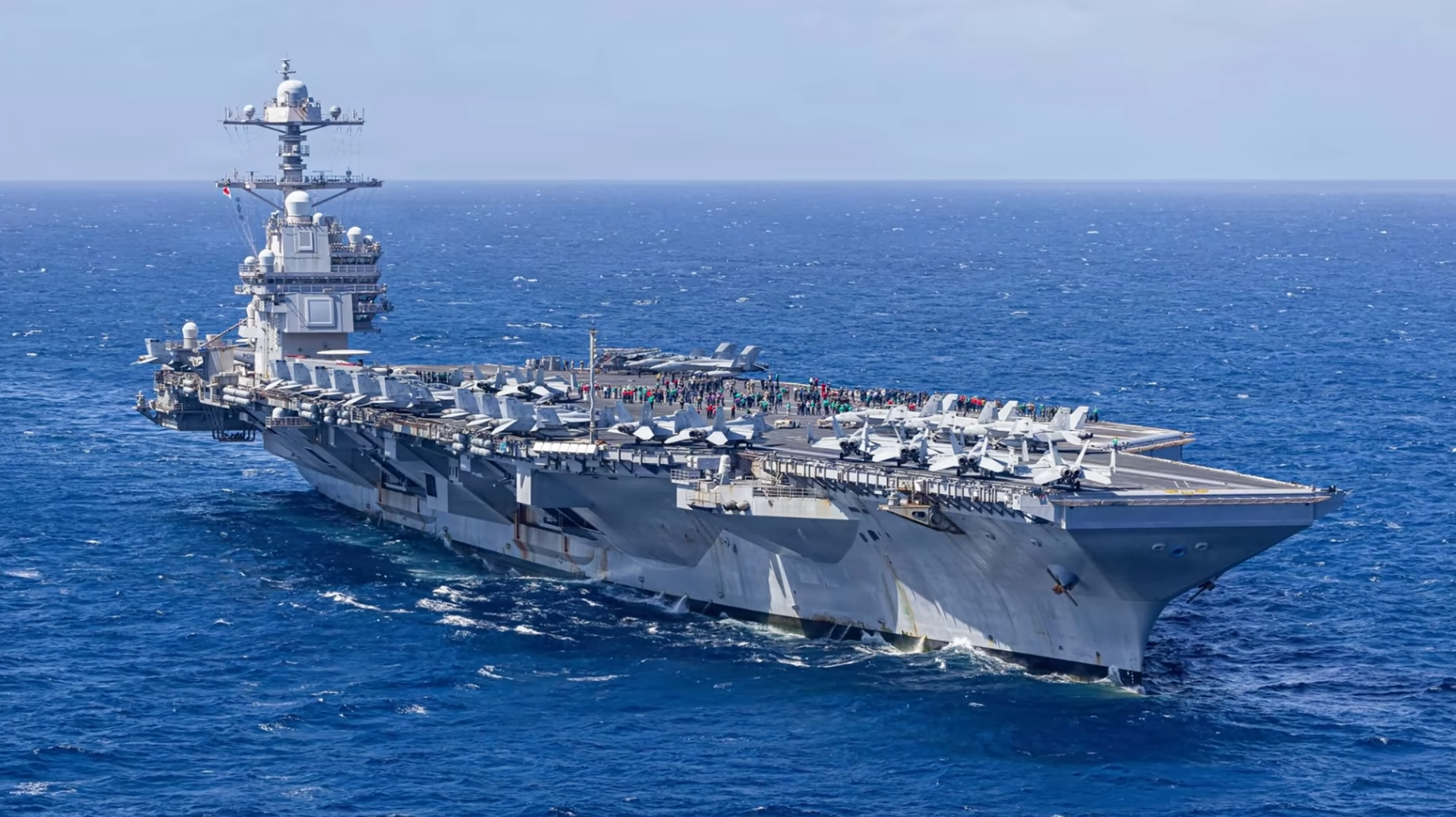
What many analysts overlook is that modern warfare is first and foremost a logistical enterprise. You can have the best fighter jets and the smartest algorithms, but if you cannot get ammunition, fuel, and spare parts to the front, you are powerless. And precisely in that area, the American system shows deep cracks.
The U.S. Navy, once the undisputed ruler of the world's oceans, is plagued by structural problems. Ships lie in dock for months for maintenance, crews are overworked, and the capacity to simultaneously support multiple conflicts has been severely compromised. When Wilkerson speaks of American destroyers being "harassed" by Iranian attacks, he is referring not only to physical damage, but to the psychological shock that runs through the entire military apparatus: invincibility is over.
The Air Force, the backbone of American power projection, faces similar problems. Tanker aircraft, essential for keeping combat jets airborne over distant war zones, are scarce and overstretched. The industrial base that maintains and replaces these aircraft has shrunk to a fraction of what it was during the Cold War. The result is an Air Force that looks impressive on paper, but in practice can barely sustain prolonged operations.
The Blind Vassal: Europe's Strategic Mistake
And then there is Europe. While American hegemony crumbles before our eyes, European leaders continue to act as if nothing is wrong. They increase their defence budgets, buy American weapons systems, and integrate their military structures ever deeper into NATO. It is a strategy based on a fundamental misconception: that American power is infinite.

Alex Karp: "In 2025, his net worth exceeded $18 billion, making him among the wealthiest 200 people in the world as reported by Forbes and the Bloomberg Billionaires Index, and Time magazine named him on the Time 100 list of the world's most influential people of that year".
The truth is that Europe has chained itself to a sinking ship. The billions invested in American defence contracts, in Palantir software, in NATO infrastructures, are investments in a system that cannot prevent its own defeat. When American supply lines fail, when Washington decides that Europe is no longer a priority, when the logistical backbone of the empire breaks, Europe will be left alone—with an army dependent on American technology, American ammunition, and American intelligence.
This is the strategic crime of our time. While we debate percentage points of GDP and bureaucratic standards, we are building a defence apparatus that is structurally dependent on a power that has reached its own limits. It is like insuring your house with a company on the verge of bankruptcy: the policy looks good, but when you need it, no one pays out.
Historical Parallels
Those who study history see that empires rarely collapse overnight. It is a process of gradual erosion, followed by a sudden, catastrophic collapse. The Roman Empire continued for decades to pretend it ruled the world, while its borders had long become untenable. The British Empire continued for years after World War II to harbour imperial pretensions, while the economic and military reality had long told a different story.
The United States is now in a similar phase. The rhetoric of intransigence masks a fundamental strategic exhaustion. NATO allies, who have relied for decades on the American security umbrella, now face a painful choice: continue to believe in an illusion, or prepare for a world without American protection.
Wilkerson's analysis is not doom-mongering, but a cold calculation of logistical and strategic limits. The era of American hegemony is on its last legs. The question is not whether this will happen, but when—and whether Europe will have built sufficient autonomy by then to stand on its own feet.
Conclusion: The Awakening Is Coming
Wilkerson's predictions are not abstract geopolitical speculations, but a warning based on decades of experience in the highest circles of American power. When an insider like him says that the empire is exhausted, that the generals no longer know what to do, and that Israel will be destroyed, it is time to listen.
For Europe, this means a fundamental reorientation. We can no longer outsource our security to a power that has reached its own limits. We must invest in our own capabilities, our own technology, our own logistics. Not because we are anti-American, but because reality forces us to do so.
The question is whether we will learn this lesson in time, or whether—like so many vassal states before us—we will only wake up when it is too late. History teaches us that empires fall, and those who have relied too long on their protection suffer the hardest blows. It is time to wake up.