Forty-Two Years Later: A Belgian Site Manager Rediscovers the Story of His Vietnamese Friend Phạm Ngọc Tân
In the early 1980s, Frank Dumon worked alongside Vietnamese technicians on one of Hanoi's major industrial projects: a spinning mill with 100,000 spindles. More than four decades later, he set out to find his dear Vietnamese colleague. Six historical photographs ultimately led to the identification of engineer Phạm Ngọc Tân. The joy of that discovery was accompanied by sorrow: his friend had died in 2024. What began as a search has become a moving story of Vietnam's reconstruction, craftsmanship, remembrance and a friendship that has endured the passage of time.
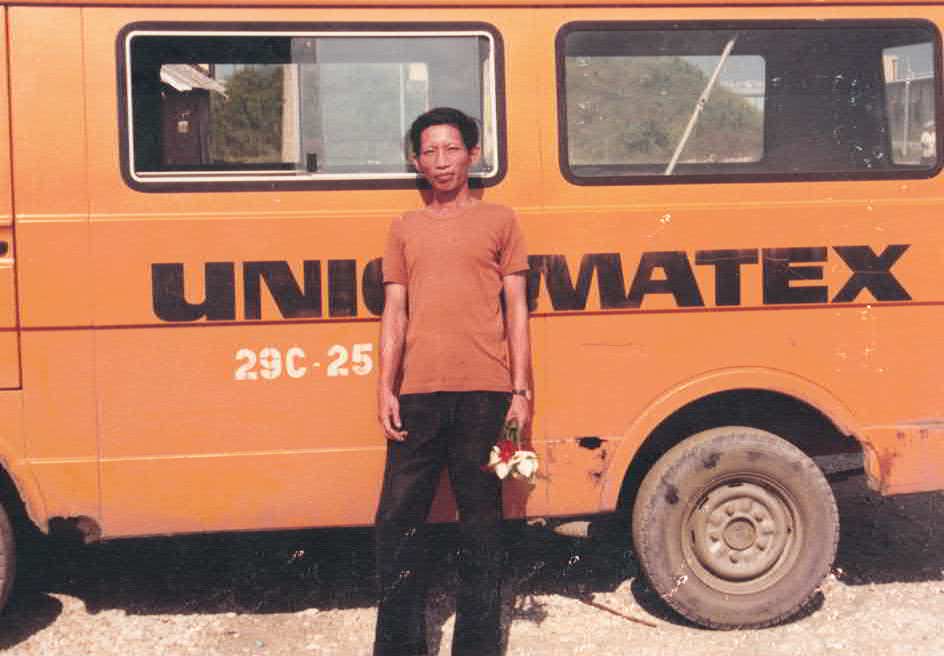
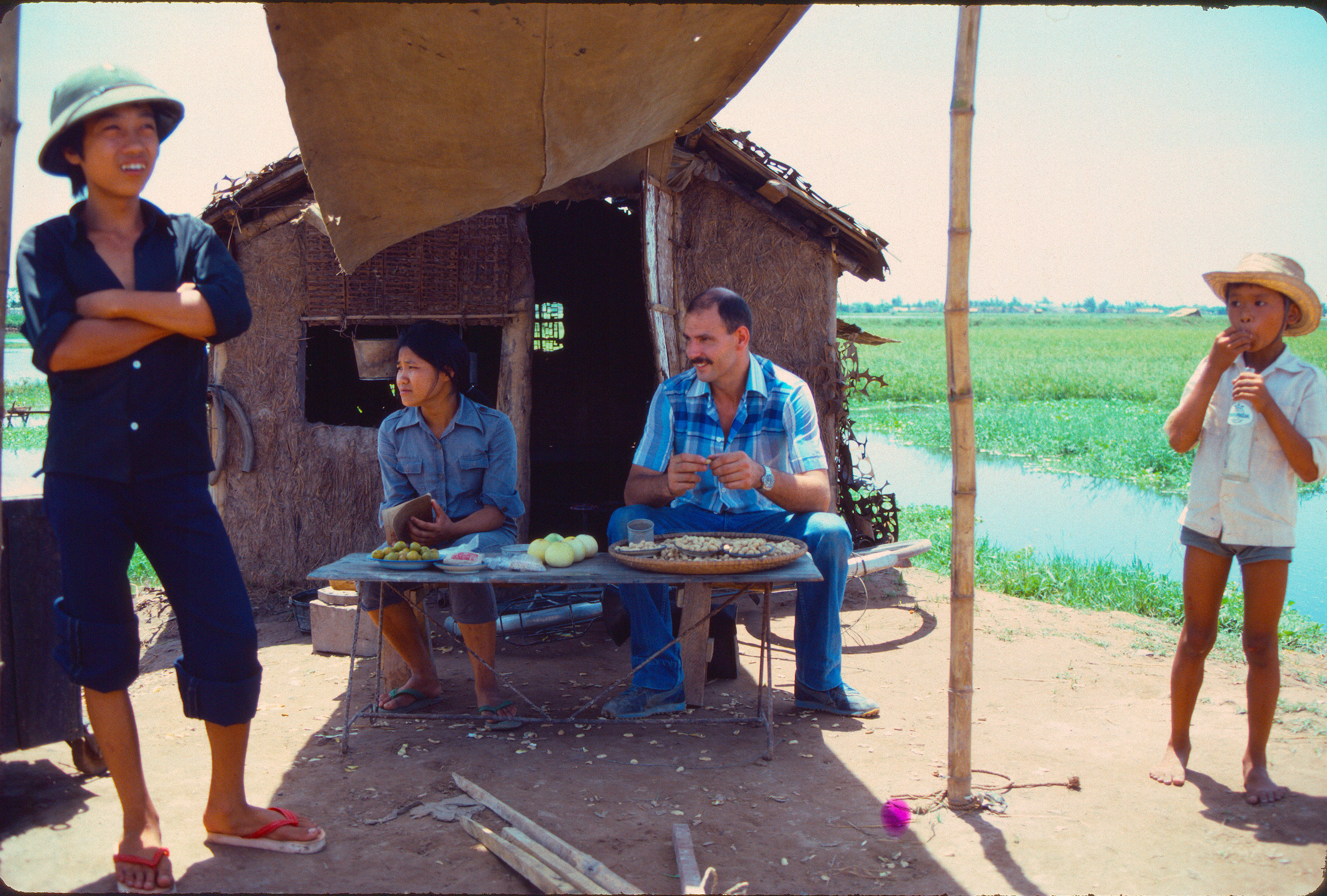
My Vietnamese colleague and good friend Phạm Ngọc Tân. An orange UNIONMATEX vehicle stands at the construction site, with its company name and registration plate still clearly visible. Photograph: Frank Dumon's private archive, circa 1982–1984.
By Frank Dumon
A Factory Built During a Difficult Period of Reconstruction
In 1982, Belgian site manager Frank Dumon arrived in Hanoi to take part in an ambitious textile project: the Hanoi Spinning Mill, designed to house 100,000 spindles. Vietnam was rebuilding its economy after decades of war. Producing yarn for the domestic textile industry was far more than a commercial undertaking: it was intended to provide clothing, create employment and help develop the country's own industrial capacity.
The factory's history can be traced through Vietnamese corporate records. On 7 April 1978, TECHNO-IMPORT VIETNAM signed a construction contract with UNIONMATEX of the Federal Republic of Germany (West Germany). Construction began in February 1979. By the early 1980s, machinery and supporting technical installations were being assembled. On 21 November 1984, the Hanoi Spinning Mill was officially handed over and began operating. According to a Vietnamese industrial retrospective, its original capacity was 100,000 spindles, with a nominal annual output of approximately 10,000 tonnes of yarn.[1][2]
The spinning mill later became the foundation of HANOSIMEX, the Hanoi Textile and Garment Joint Stock Corporation. Its history reflects the broader development of Vietnam's textile sector: from scarcity and reconstruction towards increasingly diversified industrial production.
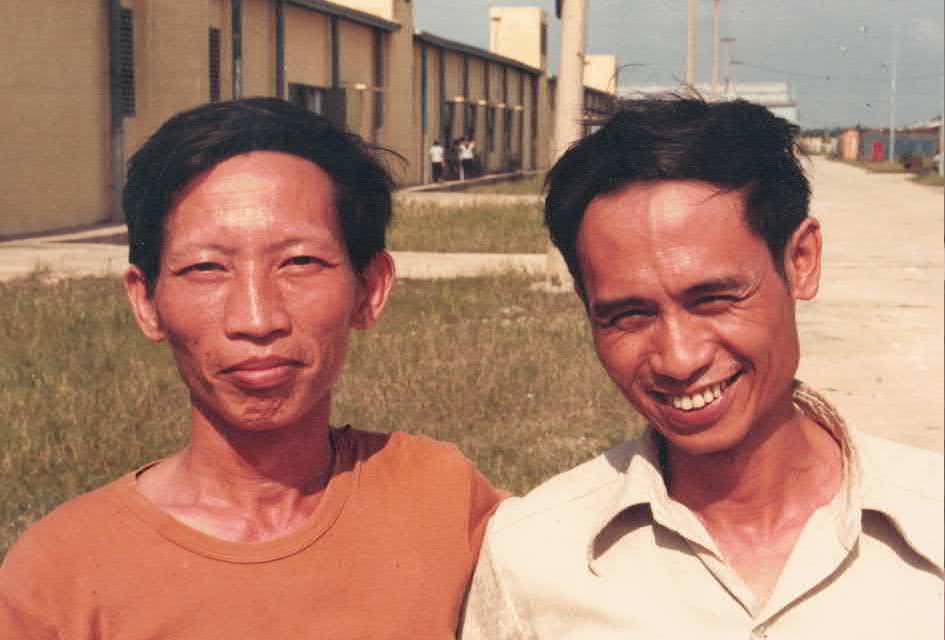
Two members of the project team outside the factory buildings in Hanoi. Mr Phạm Ngọc Tân is on the left.
The Work Behind the Machines
Dumon was not responsible for operating the spinning machinery itself. As he recalls, he worked for AGRICOMATEX, a Belgian company associated with the Belgian Farmers' Union (Boerenbond). His responsibilities covered the technical systems on which a textile factory depends: pipework, welding, air conditioning, compressed-air systems and firefighting installations.
Such infrastructure is barely visible once a factory is running, but it is indispensable. Cotton processing requires controlled temperature and humidity; machinery needs reliable utilities; and combustible textile fibres demand careful fire protection. The work required industrial expertise, skilled craftsmanship, problem-solving and daily cooperation among people from different backgrounds.
According to Dumon's recollections, suppliers of textile machinery also included Marzoli of Italy and Sulzer of Switzerland. These details come from his personal testimony and could still be checked against the original project documents. The documented principal construction contract was concluded between the Vietnamese importer and UNIONMATEX. The precise contractual responsibilities of other participating companies cannot be established conclusively without additional archival evidence.
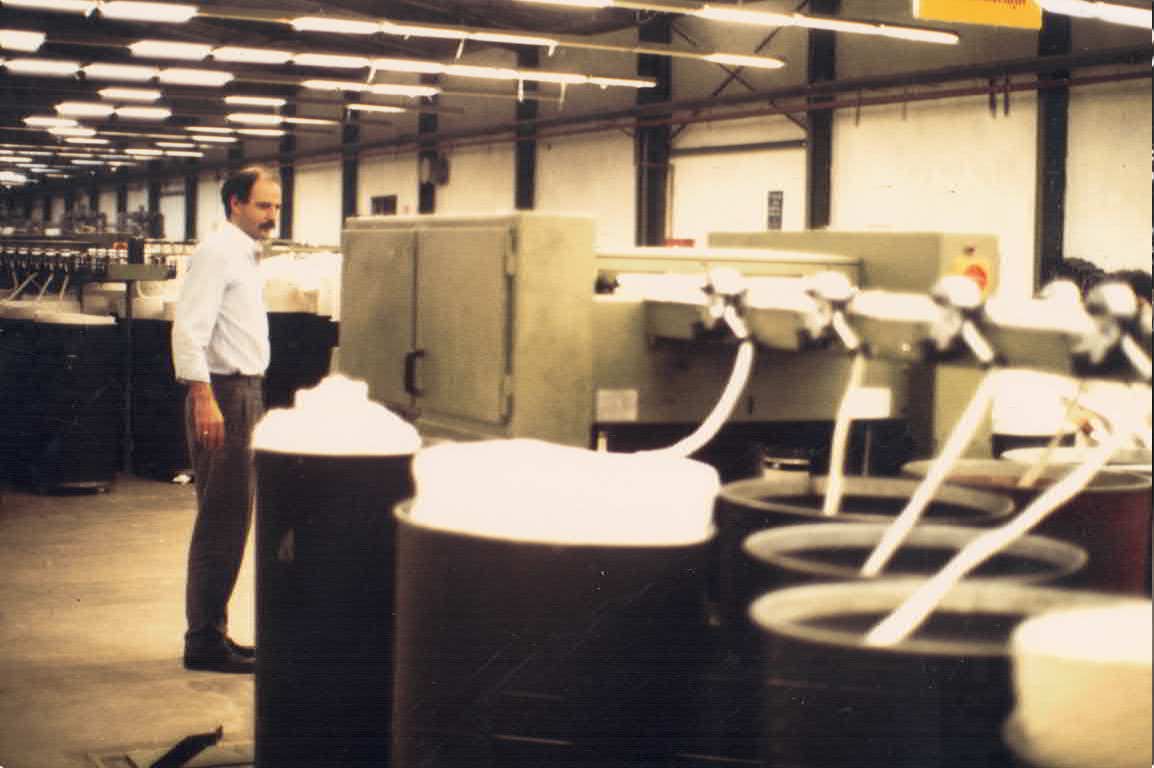
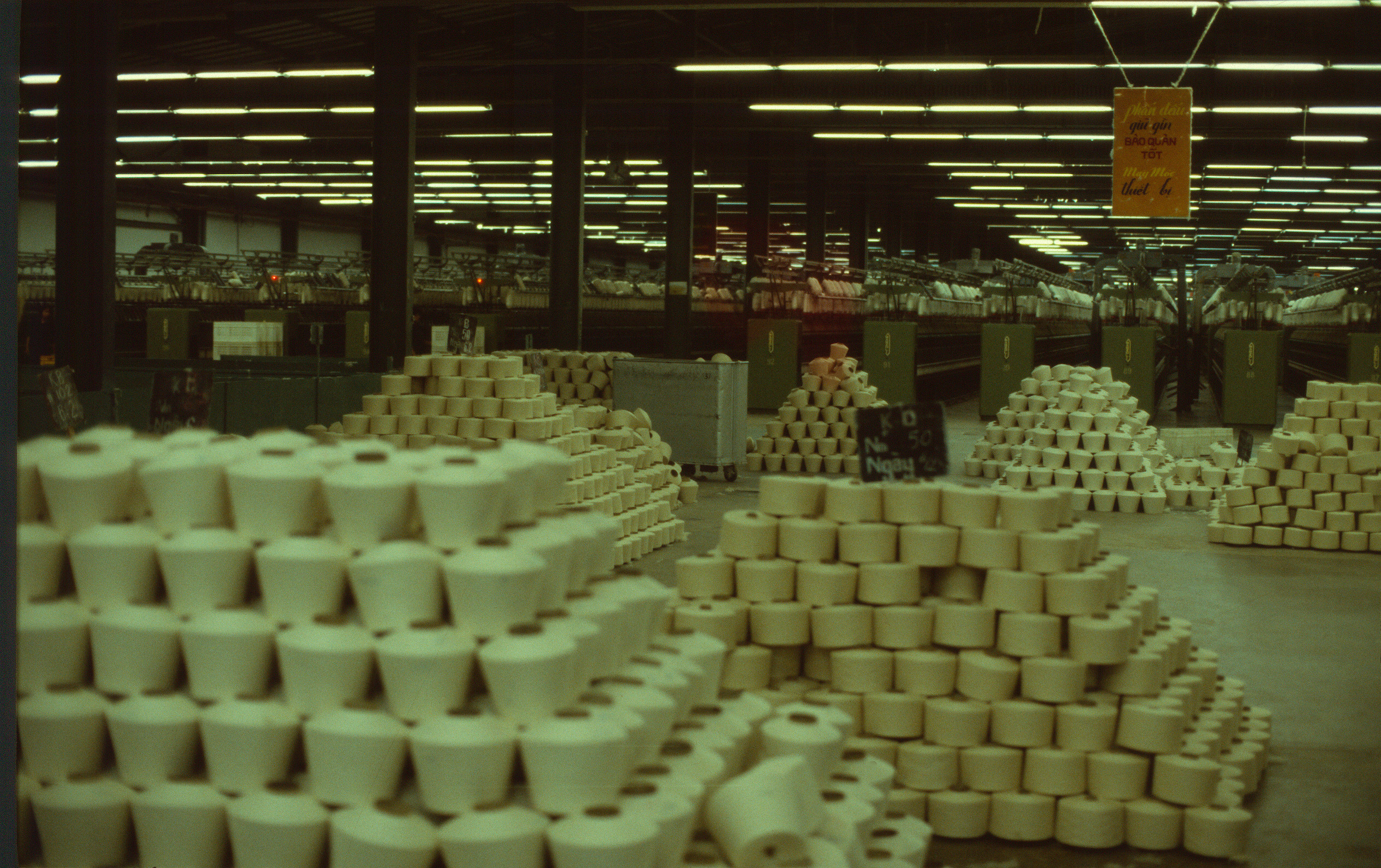
Industrial equipment and large tanks during installation at the spinning mill. These technical systems formed part of the factory's supporting infrastructure. Photograph: Frank Dumon.
The Man Behind a Name Remembered
For Dumon, the most important memory was not a technical specification or an official inauguration date, but a Vietnamese colleague whom, for decades, he remembered as ‘Mr Thanh’. They worked together during the installation period from 1982 to 1984. Dumon says that he learned a great deal from his Vietnamese colleague and regarded him as his best friend from those years.
That personal testimony has historical value. Accounts of major industrial projects usually record contractors, production targets and financing, but say much less about the people who turned plans into a functioning factory. The everyday exchange of knowledge between Vietnamese technicians and foreign specialists is therefore often overlooked. Dumon's photographs preserve precisely this human history: colleagues standing side by side, smiling faces, machinery rooms and ordinary moments between demanding working days.
In November 2026, an unexpected breakthrough came. Through contacts in Vietnam's textile sector, Hồ Lê Hùng, former General Director of HANOSIMEX, was consulted. He recognised the man Dumon had called ‘Thanh’ for so many years: he was engineer Phạm Ngọc Tân. According to the Vietnamese newspaper Một Thế Giới, Tân specialised in air conditioning, ventilation and refrigeration. He retired in 2000 and passed away in 2024.[6]
The identification brought both relief and grief. After 42 years, the long-lost friend's true name was finally known, but a reunion in person was no longer possible. The memories acquired a new meaning: no longer merely a search for a former colleague, but a tribute to the man who had left such a lasting impression on Dumon.
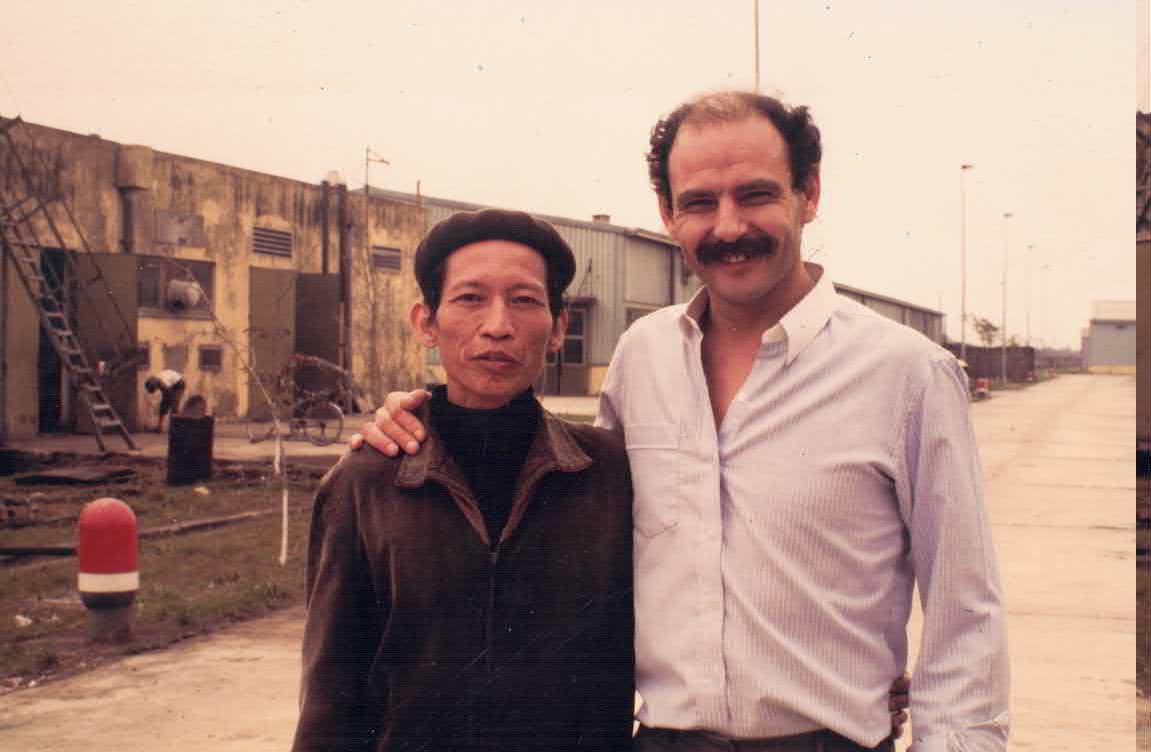
Two colleagues and friends: Phạm Ngọc Tân and Frank Dumon at the industrial site. The photograph captures the personal bonds behind the construction work.
A Changed Hanoi, but a Living Industrial Memory
The factory and the company have changed considerably over the decades. HANOSIMEX's annual report records the relocation of production facilities away from central Hanoi beginning in 2011. Vietnamese government reporting from 2010 describes the proposed redevelopment of former HANOSIMEX industrial land in the Mai Động–Lĩnh Nam area. It is therefore misleading to place the original factory in Nam Đồng, as some undocumented online accounts have done.[3][4]
Yet the institutional memory has not disappeared. On 21 November 2024, HANOSIMEX celebrated its fortieth anniversary. According to the Vietnam National Textile and Garment Group (VINATEX), a gathering was also organised at which several generations of former employees could exchange memories.[5] It was precisely such networks of former employees and managers that proved invaluable in recovering the story of Phạm Ngọc Tân.
Six Old Photographs Bring a Family History Back to Life
On 16 November 2026, Vietnamese journalist Mai Ka published an article in Một Thế Giới about Dumon's search, entitled ‘Hành trình tìm người bạn kỹ sư Việt Nam sau 42 năm của chuyên gia Bỉ’ — ‘A Belgian Expert's Search for His Vietnamese Engineer Friend After 42 Years’.[6]
The article describes how Phạm Ngọc Tân's family recognised him in the preserved photographs. His daughter, Phạm Ngọc Tú, explained that Frank Dumon's memories deeply moved her family. For the younger generations in particular, the images brought their father and grandfather, as a young engineer, vividly back to life. The family expressed gratitude that their father's former Belgian colleague had continued to cherish their friendship and shared memories after so many years.[6]
Dumon also learned that Tân's widow, Kiều Thị Chiến, still lives in Hanoi. He has expressed his wish to meet her and the family in person, share memories and honour his late friend. In this way, the reunion that can no longer take place between the two former colleagues may still find a meaningful continuation through contact with those who were closest to Tân.
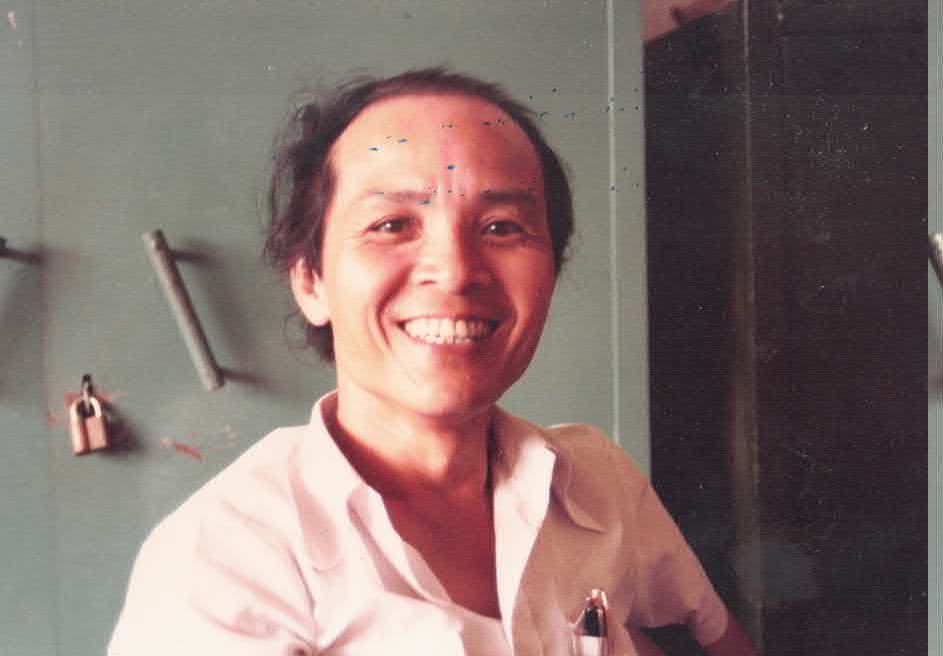
A face from the project's photographic archive: Mr Hoàng Ngọc, associated with Vietnam's Ministry of Light Industry (MOLI).
A Friendship Stronger Than Time
The photographs have now served their original purpose: the forgotten name has been restored, and Phạm Ngọc Tân's family has rediscovered the history of his work with Frank Dumon. The appeal to find ‘Mr Thanh’ is therefore no longer current. The photographs, however, remain valuable. Anyone with further memories, documents or reliable information about the Hanoi spinning mill, UNIONMATEX, AGRICOMATEX or the technicians involved can help document this remarkable chapter of Vietnam's industrial history.
The heart of this story is simple. A factory can be relocated, machines can disappear and memories can fade. But genuine friendship and mutual respect need not vanish. Thanks to a small collection of photographs and the kindness of people in Vietnam, a late engineer has regained his name, his face and his place in a shared history.
Frank Dumon also wishes to honour that history personally. The Vietnamese newspaper article mentions his intention to write a special tribute entitled ‘Ode to My Friend Tân’ — an ode to the engineer and friend who taught him so much during Hanoi's years of reconstruction.[6]
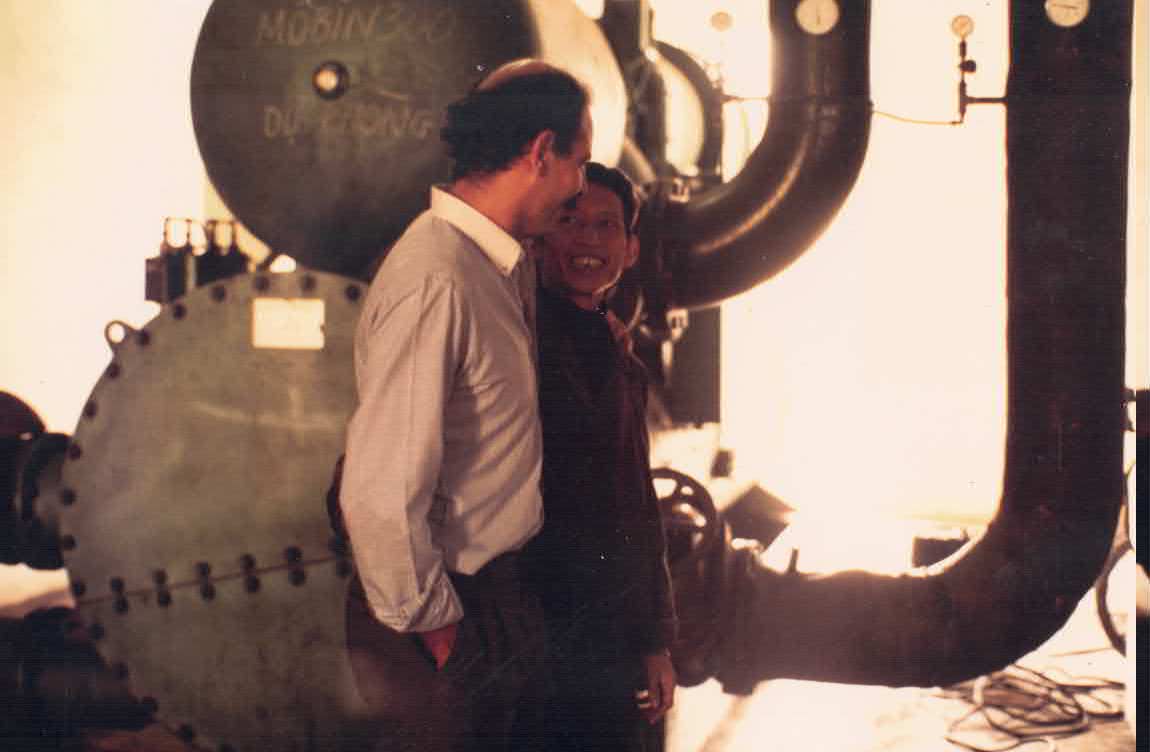
Phạm Ngọc Tân and Frank Dumon beside a York chiller.
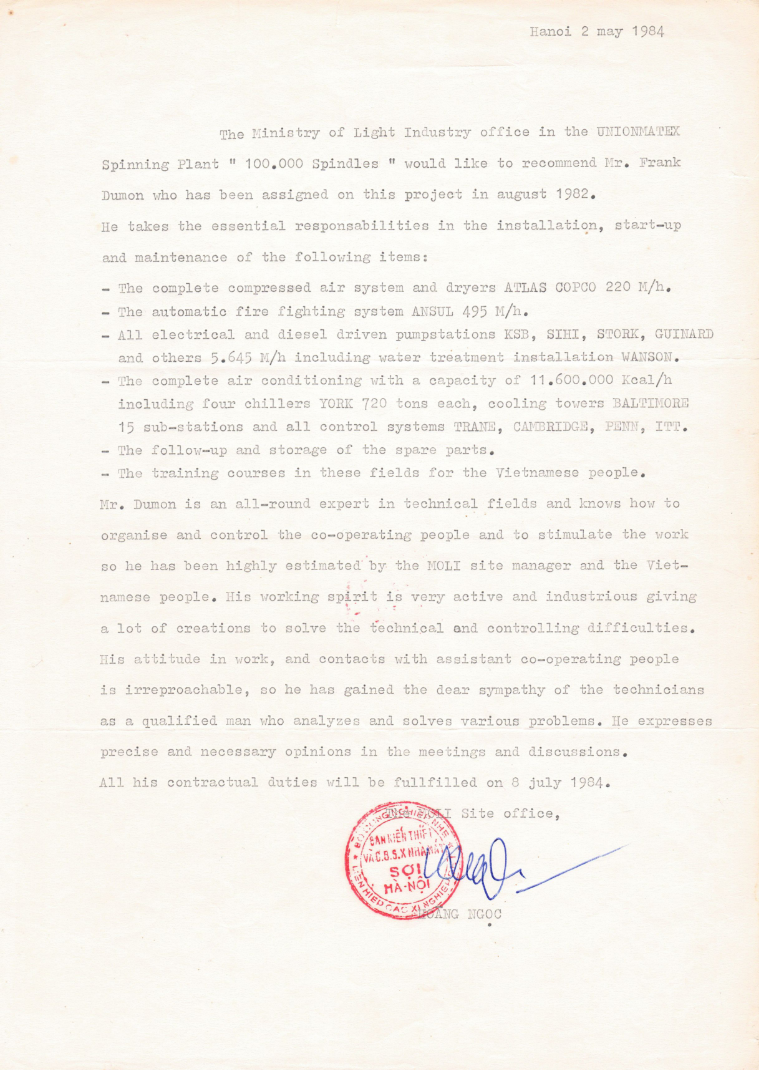
Original recommendation letter issued by Vietnam's Ministry of Light Industry (MOLI) in Hanoi on 2 May 1984, signed by Hoàng Ngọc. From Frank Dumon's private archive.
Thư giới thiệu gốc do Bộ Công nghiệp nhẹ Việt Nam (MOLI) cấp tại Hà Nội ngày 2/5/1984, có chữ ký của ông Hoàng Ngọc. Tư liệu từ bộ sưu tập cá nhân của Frank Dumon.
Historical Sources and Editorial Notes
- HANOSIMEX, Company history: Quá trình hình thành và phát triển (contract, construction and handover dates).
- Tạp chí Công Thương, ‘HANOSIMEX: 30 năm sải cánh không ngừng’ (2014; original project scale and production capacity).
- HANOSIMEX, 2025 annual report, published in April 2026 (company history and relocation of production).
- Báo Điện tử Chính phủ, Report on the former Dệt 8/3 and HANOSIMEX industrial sites (19 October 2010).
- VINATEX, Report on HANOSIMEX's fortieth anniversary and the gathering of former employees (21 November 2024).
- Mai Ka, Một Thế Giới, ‘Hành trình tìm người bạn kỹ sư Việt Nam sau 42 năm của chuyên gia Bỉ’ (16 November 2026; identification of Phạm Ngọc Tân, reactions from his family and the continuation of contact).
Frank Dumon's personal recollections and six photographs from his private archive, circa 1982–1984. Details concerning AGRICOMATEX and particular machinery suppliers come from his testimony and may be checked further against original project archives. His Vietnamese colleague was subsequently identified as Phạm Ngọc Tân; ‘Thanh’ was the name Dumon initially remembered.