
Western Coercion, European Complicity, and the Shifting Geopolitical Order
By Frank Dumon
In the grand theater of global geopolitics, we are currently witnessing the final, turbulent acts of a unipolar world order. The architecture of Western hegemony, long maintained through a combination of financial dominance, military intimidation, and the selective application of international law, is fracturing under the weight of its own contradictions. To understand the trajectory of the 21st century, one must look beyond the sanitized press releases of Western capitals and examine the raw, unfiltered realities on the ground. Two seemingly distinct geopolitical developments—the escalating, self-destructive posture in Ukraine and the quiet, strategic retreat of the United States from Iraq—reveal a singular, overarching truth: the era of coercion is ending, and the Global South, alongside resurgent Eurasian powers, is rewriting the rules of engagement.
This analysis draws upon numerous recent critical discourses, including insights from the program Judging Freedom, and strategic assessments regarding the US military withdrawal from Iraq. By synthesizing these perspectives, we can uncover the profound disconnect between Western illusions of control and the immutable realities of multipolar diplomacy.
The "Trash" of the Current World Order
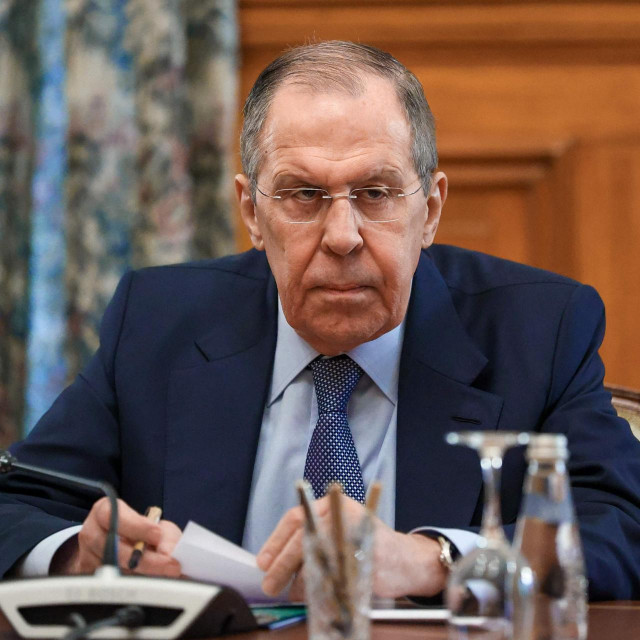 To comprehend the current geopolitical friction, one must first understand the Russian perspective on the modern international system. As recently articulated in high-level diplomatic and analytical circles, there is a profound and deep-seated animosity in Moscow—not merely towards the United States, but towards the entire framework of the current world order. The assessment is stark: the system is fundamentally broken. The legal system is viewed as "trash." The United Nations is being trashed. The norms of civilized behavior and international diplomacy have been pushed aside.
This is not mere propaganda; it is an observation of empirical reality. For decades, the United States has utilized international institutions not as neutral arbiters of global peace, but as instruments to preserve its own financial and political primacy. When the rules of the World Trade Organization, the UN Security Council, or international financial systems no longer serve Washington’s immediate interests, they are bypassed, sanctioned, or outright ignored. The weaponization of the US dollar and the extraterritorial application of American law have demonstrated to the world that the "rules-based international order" is, in practice, a "rules-based American order."
Consequently, the primary objective for Russia, and increasingly for China and other sovereign nations, is not necessarily to destroy the United States, but to force it back to the negotiating table. The goal is to re-establish genuine diplomacy—a system based on mutual respect, recognition of legitimate security interests, and an understanding of what makes other nations "tick." As long as the US relies purely on coercive means—coercive financial sanctions, coercive language, and coercive military posturing—the world is heading toward a larger, more catastrophic conflict. The refusal to engage in symmetrical diplomacy is the greatest danger to global stability.
Europe’s Lust for Escalation
While Russia remains theoretically open to diplomatic off-ramps with the United States, its exasperation with Europe has reached a boiling point. This dynamic is crucial for European citizens to understand. The animosity is greater towards Europe because European leaders have abdicated their role as independent geopolitical actors, choosing instead to become accelerants for a conflict that does not serve their national interests.
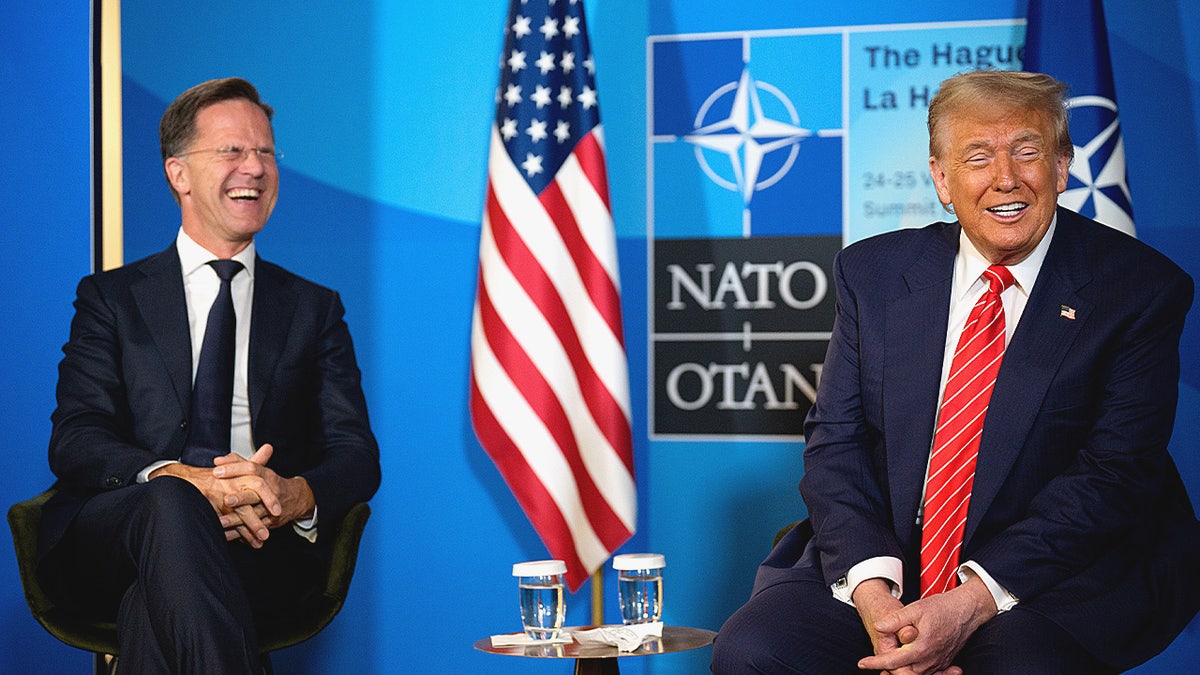
There is a palpable "lust for escalation" among certain European capitals. Despite the clear failures of previous strategies, there are continuous promises to supply longer-range, bigger-warhead missiles to Ukraine. The logic behind this is deeply flawed and detached from reality. Recent escalations, including strikes that have resorted to targeting beaches and hotels, or attempts to disrupt the political and electoral processes, reveal a desperate strategy. The underlying Western assumption appears to be that if they push hard enough, inflict enough pain, and threaten enough escalation, Vladimir Putin will simply capitulate and agree to a ceasefire on Western terms.
This is a profound miscalculation. As Russian leadership has made unequivocally clear, there will be no ceasefire under conditions of coercion or humiliation. The belief that a nuclear-armed state with vast strategic depth and a resilient economy will collapse under the pressure of a few additional Western missiles is a dangerous illusion. It is an illusion born of hubris, reminiscent of past Western interventions in the Global South—such as the Vietnam War, a conflict I have studied extensively—where technological and military superiority was mistakenly equated with inevitable political victory. Europe, by blindly following this path, is not only prolonging the suffering of the Ukrainian people but also actively dismantling its own economic prosperity and security architecture.
The Quiet Retreat: US Withdrawal from Iraq
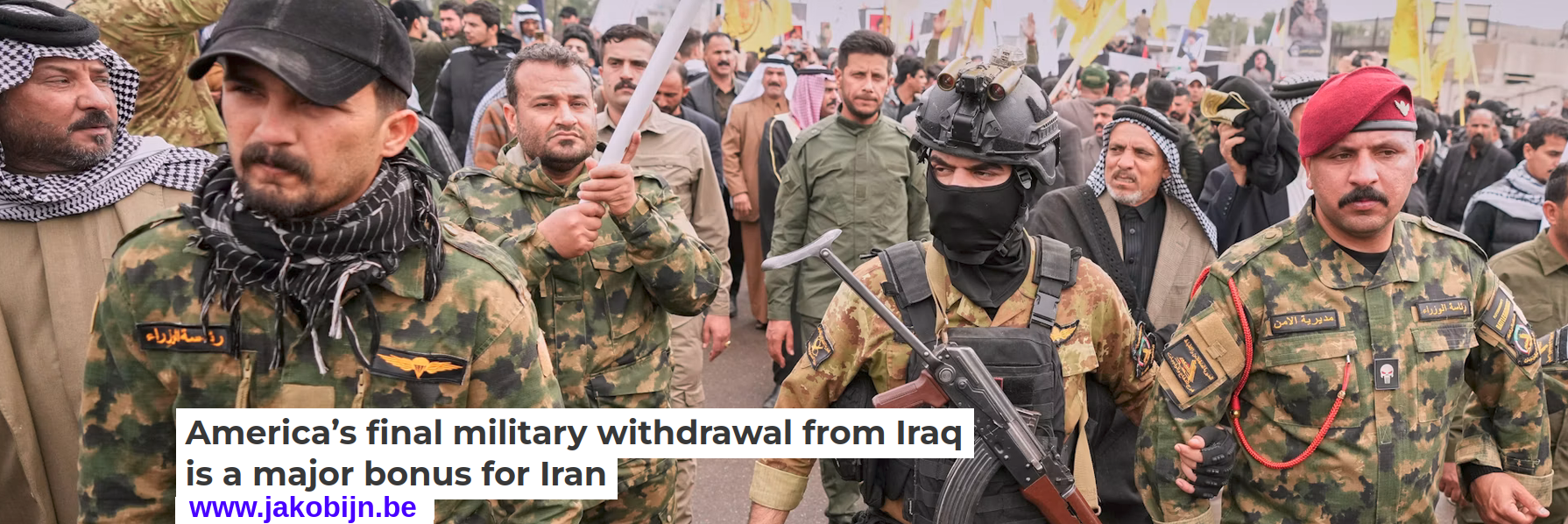
While Europe dances to the tune of escalation in Eastern Europe, a different, more profound shift is occurring in the Middle East. The final withdrawal of US-led coalition forces from Iraq, finalized around September 30, represents a major strategic bonus for Iran. This development is steeped in irony and highlights the catastrophic blind spots of American foreign policy.
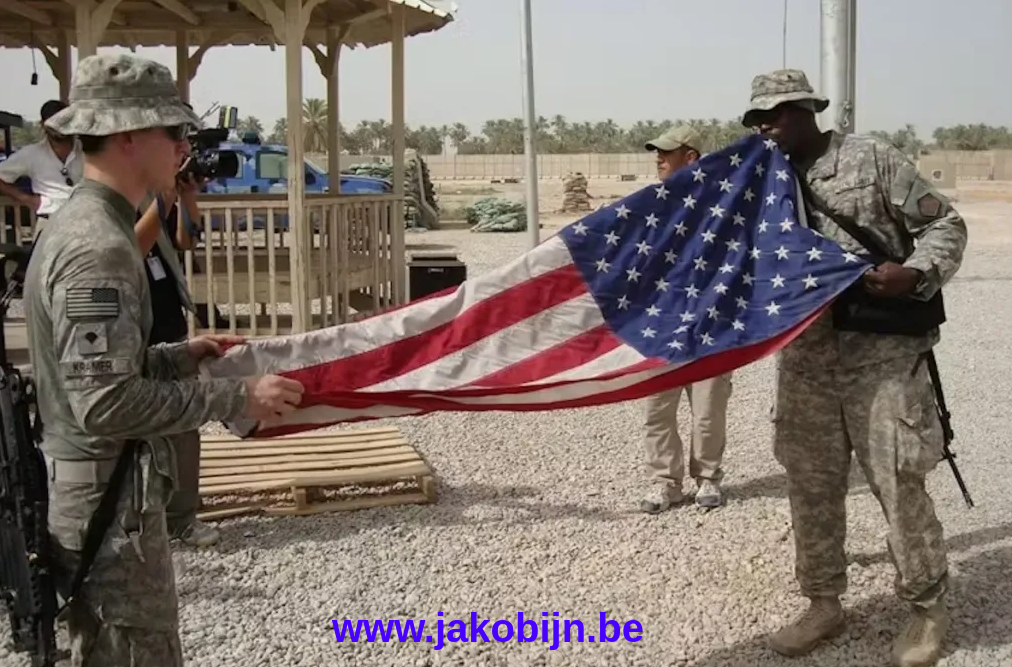 The withdrawal date was symbolically significant, as it was also the deadline by which the Baghdad government had pledged to bring numerous powerful, Iran-backed militias under formal state control. It is now evident that this deadline will be missed. Effectively, at the precise moment when Washington is engaged in a costly, multi-front campaign intended to weaken Iran militarily and economically, it is simultaneously reducing its military presence in the country that has arguably provided Tehran with its greatest strategic gain of the post-Saddam era.
Iraq possesses powerful nationalist instincts. For two decades, Baghdad has repeatedly attempted to balance both US and Iranian influence, striving to steer an independent path. However, the US withdrawal removes a critical, albeit flawed, counterweight. This vacuum leaves Tehran with an unprecedented degree of sway over Iraq’s political and economic affairs. The tragedy for Washington is that Tehran did not create the conditions for this dominance entirely on its own; it had a great deal of help from the United States.
The Architecture of Iranian Influence
To understand the depth of Iran’s entrenchment in Iraq, one must discard the notion that this influence suddenly emerged after the 2003 US-led invasion. Like the United States, Tehran spent decades cultivating Iraqi opposition movements during the brutal rule of Saddam Hussein. Organizations such as the Islamic Dawa Party and the Supreme Council for the Islamic Revolution in Iraq were nurtured in exile. Today, these entities wield enormous power within the Iraqi state.
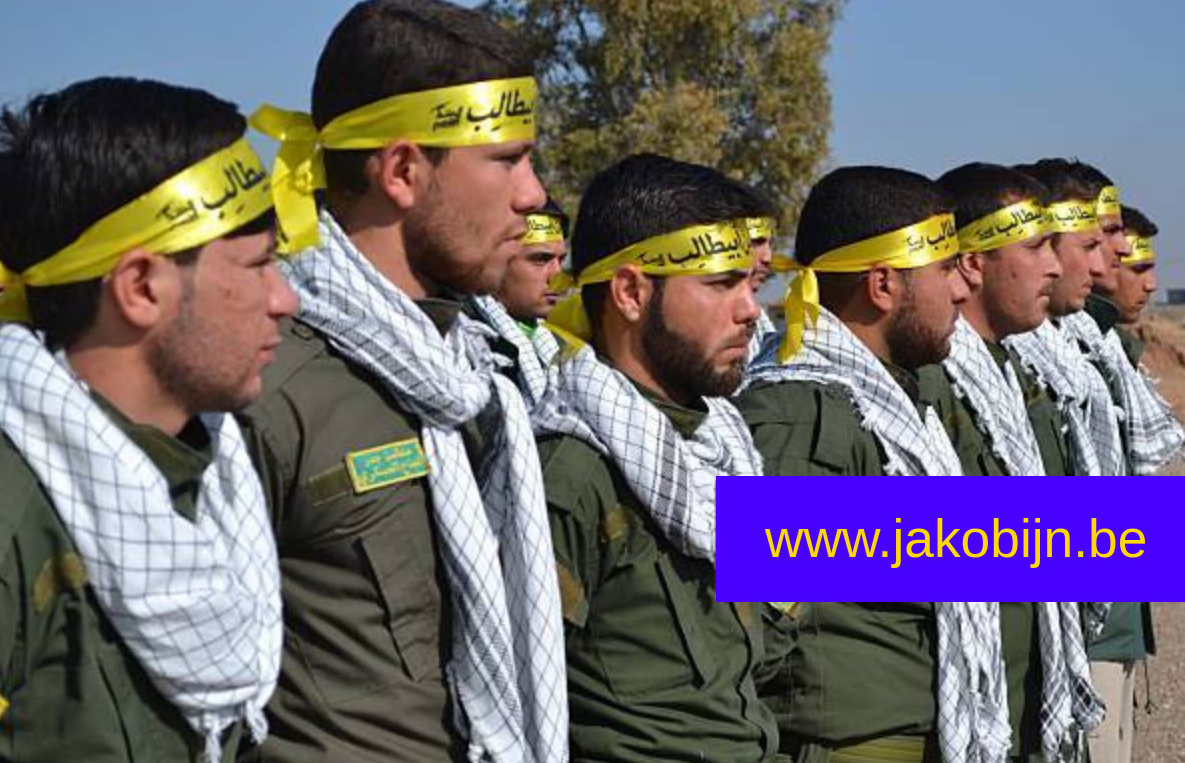 Perhaps the most potent example of this is the Badr Organization. Created in Iran during the 1980s and supported by the Islamic Revolutionary Guard Corps (IRGC), Badr fighters fought alongside Iran during the Iran-Iraq War. When Saddam Hussein was toppled in 2003, these deeply rooted organizations possessed something the invading American forces utterly lacked: direct, intimate, and trusted ties with powerful local armed networks. As these exiled groups returned to shape the new Iraqi state, their connections were seamlessly transformed into institutional power.
Thousands of Badr fighters returned, transforming the organization from an exiled militia into a major political and security player. Iran systematically cultivated relationships across political parties, government ministries, religious networks, and armed groups. This expansion was facilitated by the profoundly flawed political system that emerged after the hurried 2005 constitutional process. Known as the muhasasa (quota) system, it divided control of state institutions along rigid ethnic and religious lines. This sectarian fragmentation fractured Iraqi national identity, providing fertile ground for Iran to expand its transnational networks directly into the heart of the Iraqi government.
The rise of the Islamic State (IS) in 2014 further played into Iran’s hands. As Baghdad faced existential threat, Tehran provided direct military assistance. Thousands of Iranian troops, under the command of the legendary Qassem Suleimani, arrived to organize the defense of the capital. Concurrently, the al-Hashd al-Shaabi (Popular Mobilization Forces, or PMF) was formed. While ostensibly incorporated into Iraq’s formal security architecture in 2016, many of its most powerful factions retained close, operational relationships with Tehran, developing their own autonomous political and economic interests.
Iran has thus built a complex, overlapping web of political, military, and economic relationships. Some operate outside the state, while others are deeply embedded within it. This explains why Iranian influence is so resilient: removing a single militia leader, politician, or commercial entity does nothing to dismantle the wider, deeply entrenched network.
The Economic Lifeline and the Failure of Sanctions
Political and military influence is only half the story; it is reinforced by deep economic integration. Iran and Iraq share an extensive border, facilitating substantial flows of goods, energy, pilgrims, and commerce. For years, Iraq has been a major market for Iranian exports and has depended heavily on Iran for natural gas and electricity. These organic economic connections are something that external sanctions can complicate, but never easily sever.
These links have become increasingly vital as Iran has faced escalating international isolation. As I have noted in previous analyses of regional economics, Iraq has effectively become Iran’s "cash cow." It provides Tehran with markets, revenue, and financial routes through which the crushing effects of external Western pressure can be softened and absorbed.
US authorities have attempted to close these channels, sanctioning Iraqi individuals and businesses accused of facilitating oil sales that benefit Iran and Iran-backed militias. However, this represents a massive strategic problem for Washington. The US can sanction Iranian banks, target global oil exports, and disrupt formal financial networks. But as long as Tehran retains deep, structural access to Iraq’s political economy, an important avenue for absorbing external pressure remains wide open.
The US withdrawal does not automatically grant Iran total economic control, but it removes a significant source of American leverage precisely when Washington is trying to squeeze Tehran the most. Tehran does not need to control Baghdad outright; it merely needs to retain sufficient influence to preserve the networks that act as a pressure valve against isolation.
Furthermore, Iran continues to benefit from the centralized nature of the Iraqi economy. According to the latest estimates from the International Monetary Fund (IMF), the public sector controls approximately 40% of jobs in Iraq. The IMF has repeatedly warned that this stifles private sector growth, but the political consequences are even more significant. Political factions that control ministries and state institutions gain direct influence over jobs, contracts, and resources. This creates a robust system of patronage that reinforces political loyalty. Because many of these factions owe their ultimate allegiance to Tehran, the Iraqi state apparatus itself becomes a tool for Iranian strategic endurance.
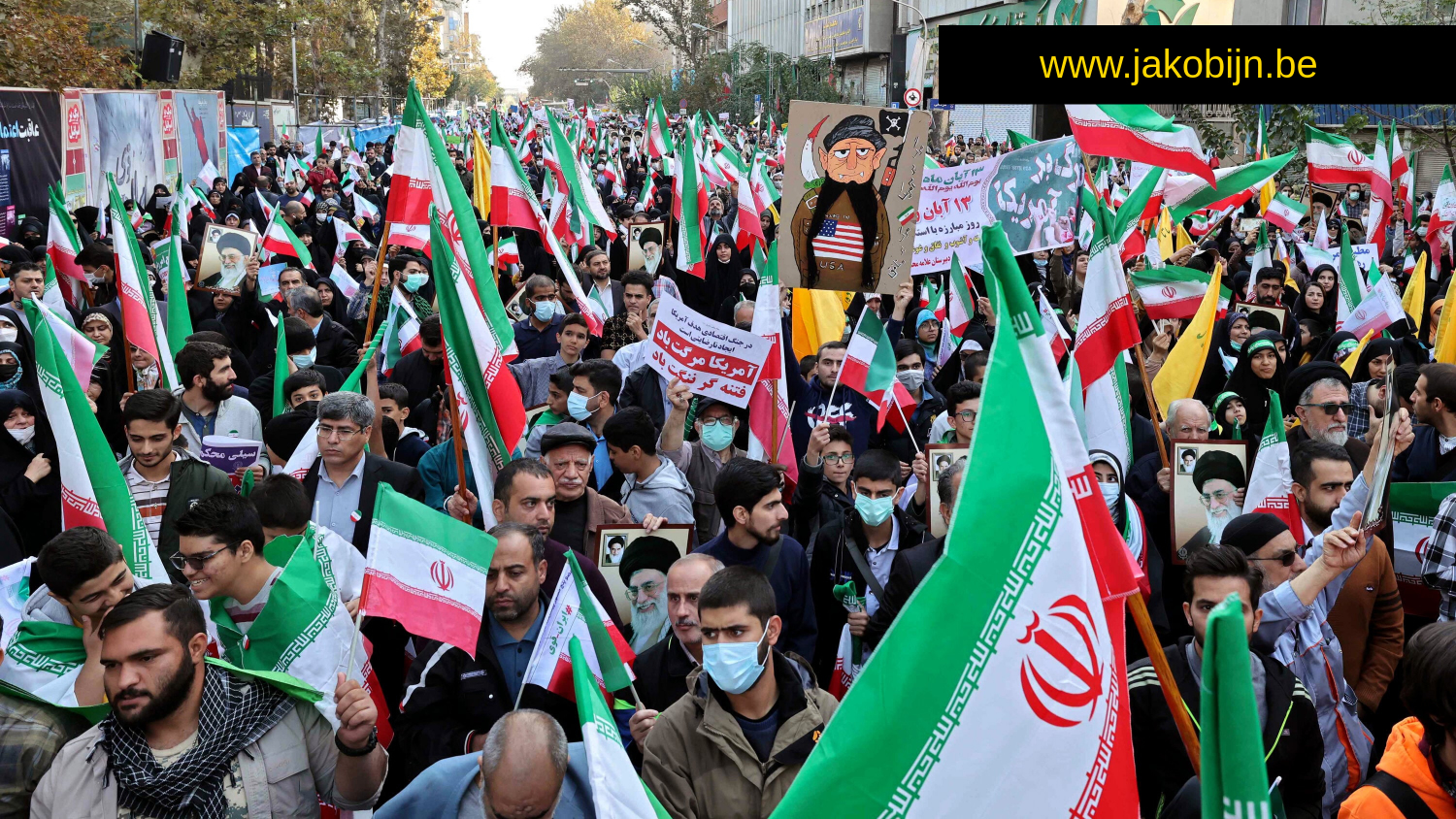
This system extends beyond strictly Iran-aligned parties, but they have benefited from it disproportionately. A competitive, dynamic private economy would weaken the ability of Iran’s political networks to turn state control into political dependency. A university graduate who can build a career without party connections, or an entrepreneur who can prosper without patronage, is inherently more politically independent. Therefore, economic reform in Iraq is not merely a matter of prosperity; it is a fundamental battle over where political power resides. If the US withdrawal gives Tehran greater room to exploit these patronage networks, Washington risks actively strengthening its adversary’s ability to survive and thrive.
Synthesis: The Jakobijn Vision on a Multipolar Reality
When we view these two narratives side by side—the frantic escalation in Europe and the quiet loss of leverage in the Middle East—a clear pattern emerges. The United States is attempting to maintain global primacy through a strategy of over-extension and coercion, while its European allies willingly subordinate their own futures to this failing paradigm.
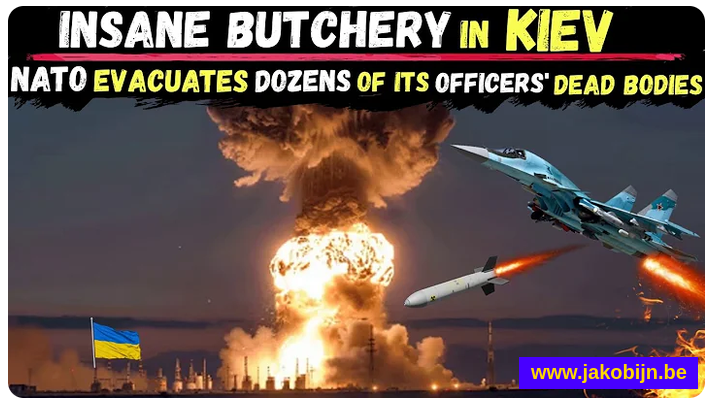 The "lust for escalation" in Ukraine is not a sign of strength; it is a symptom of strategic bankruptcy. It is the thrashing of a hegemon that no longer knows how to conduct diplomacy, relying instead on the blunt instrument of military aid to force outcomes that are diplomatically unachievable. Europe’s complicity in this is a tragic betrayal of its own citizens, sacrificing economic stability and peace on the altar of American geopolitical ambition.
Simultaneously, the situation in Iraq demonstrates the limits of Western power. Decades of military intervention, regime change, and economic sanctions have failed to produce a compliant, pro-Western state. Instead, they have created the exact conditions for a resilient, indigenous, and Iran-aligned power structure to take root. The West’s inability to understand the deep historical, religious, and social currents of the Middle East has resulted in a self-fulfilling prophecy of diminished influence.
For the Global South, including nations in Southeast Asia like Vietnam, these developments serve as a stark validation of their own historical experiences. Nations that have endured the brunt of Western military and economic coercion understand that true sovereignty cannot be granted by a hegemon; it must be forged through resilience, strategic patience, and the cultivation of diversified, multipolar partnerships. The world is moving away from the unipolar "trash" of a coercive order toward a more complex, negotiated reality.
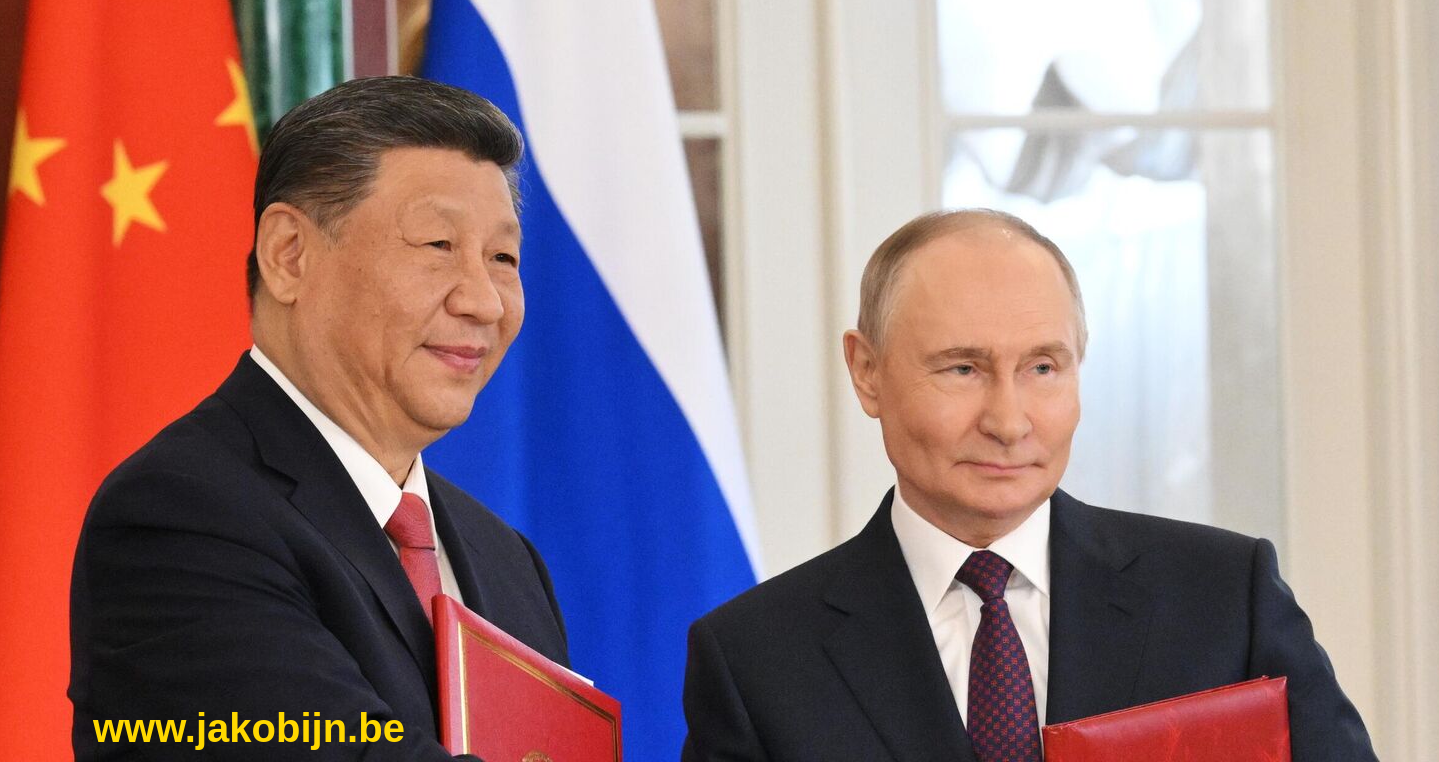
The path forward does not lie in sending more missiles to Europe or imposing more sanctions on the Middle East. It lies in the difficult, humble work of diplomacy. It requires the United States and its European allies to abandon the illusion of primacy and learn to coexist with other centers of power—China, Russia, Iran, and the rising Global South—on the basis of mutual respect and shared security. Until that paradigm shift occurs, the price of this illusion will continue to be paid in blood, economic ruin, and the further erosion of the very "civilized norms" the West claims to defend.
Sources
- https://www.reuters.com/world/middle-east/us-forces-exit-iraq-after-two-decades-leaving-opening-iran-2026-09-29/
- https://www.stimson.org/2026/why-iran-backed-iraqi-armed-groups-are-hedging-on-disarmament/
- https://theconversation.com/topics/iran-1870
- https://carnegieendowment.org/research/2019/04/from-radical-to-rentier-islamism-the-case-of-iraqs-dawa-party
- https://www.crisisgroup.org/rpt/middle-east-north-africa/iraq/070-shiite-politics-iraq-role-supreme-council
- https://www.hudson.org/international-organizations/badr-organization-irans-oldest-proxy-iraq
- https://theconversation.com/iraqs-rushed-and-divisive-constitution-was-always-doomed-to-fail-85026
- https://www.lse.ac.uk/middleeastcentre/research/muhasasa-taifia
- https://nesa-center.org/csag-strategy-paper-irans-shadow-army-the-pmfs-growing-influence-in-iraq/
- https://understandingwar.org/research/middle-east/the-leadership-and-purpose-of-iraqs-popular-mobilization-forces/
- https://nepf.org.au/index.php/how-iraq-became-irans-cash-cow/
- https://www.reuters.com/world/middle-east/us-sanctions-iraqs-deputy-oil-minister-militias-over-iran-support-2026-05-07/
- https://www.elibrary.imf.org/view/journals/002/2024/129/article-A002-en.xml?tab_body=fulltext