
The Dark Factory: How Xiaomi is Rewriting the Future of Smartphone Production
By Frank Dumon
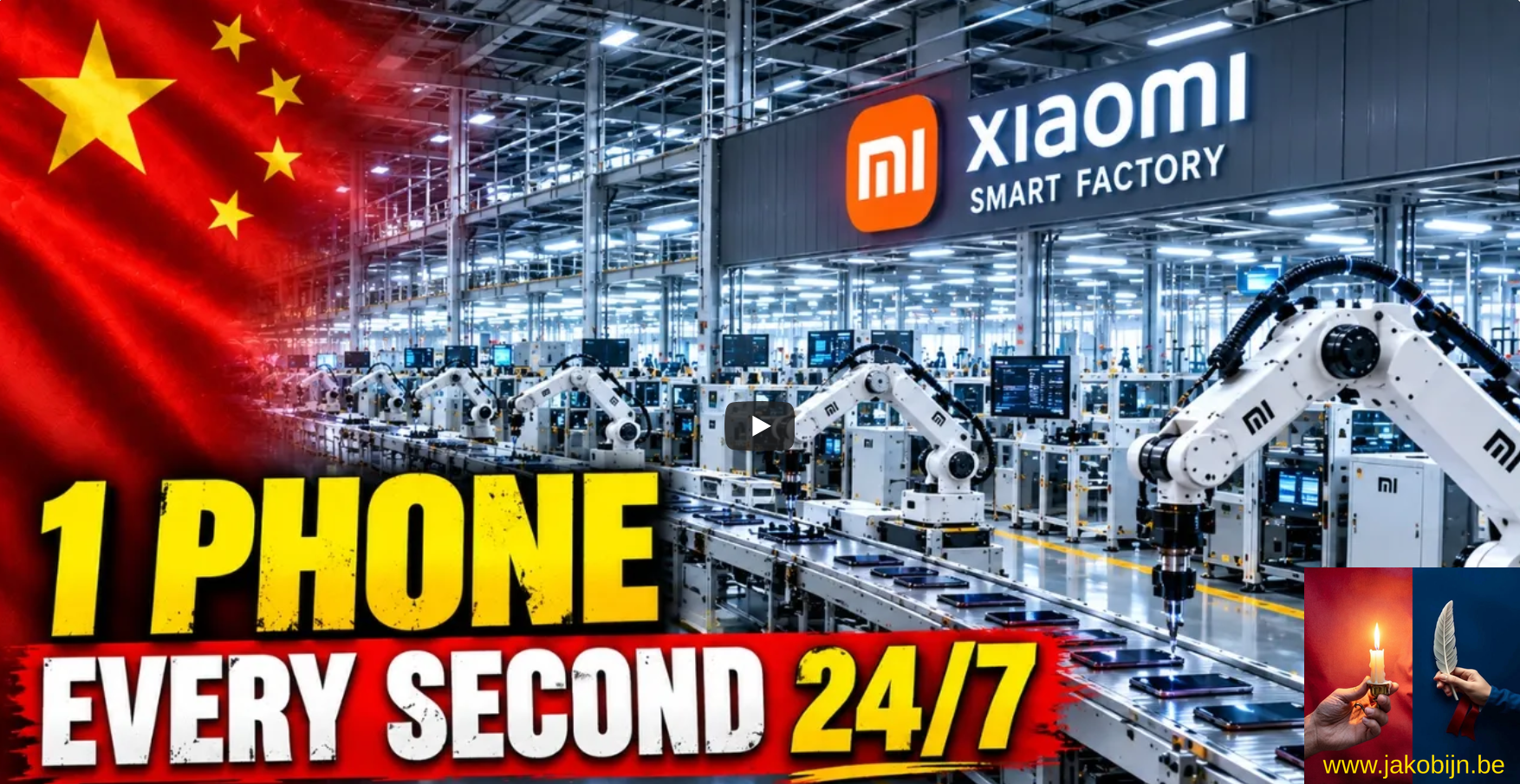
Somewhere in the Changping district, on the outskirts of Beijing, there is a production floor where the lights can remain off for hours. No one down there needs light to work. The robots have taken over, and yet the phones keep coming. One device after another, so fast that this facility delivers a brand new smartphone approximately every second at full speed. Not even per minute, not per hour, but per second. Unceasingly, like a heartbeat that never skips a beat. The phone you're carrying in your pocket right now could very well come from such an environment. A place where a bare circuit board enters at one end, and in the time it takes you to speak one sentence aloud, a fully assembled, tested and packaged phone rolls out the other end.
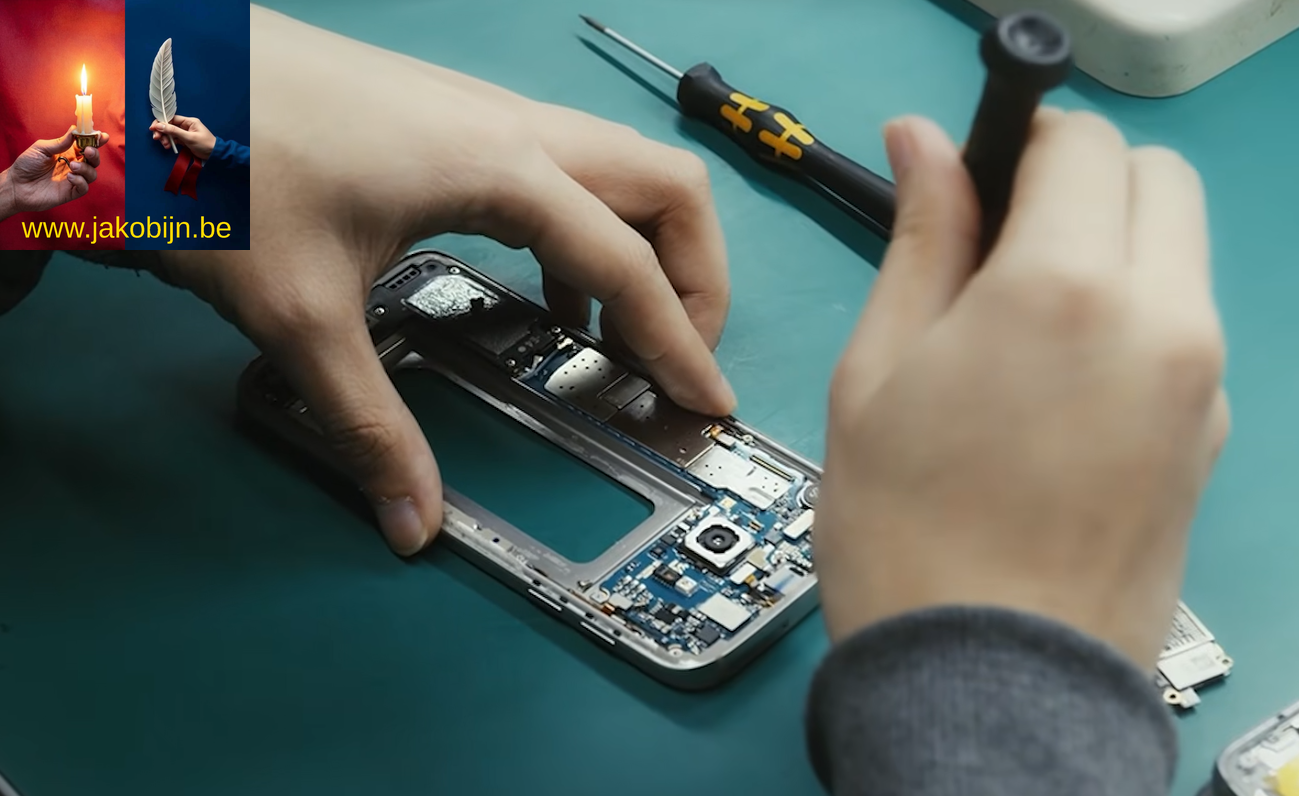 There are no rows of workers bent over tiny screws here. No radios can be heard, no lunch carts roll through the corridors. There are only machines, cameras and a strange, almost ominous silence, despite the fact that this location produces millions of devices annually. Deep inside, robot arms move with a confidence that seems almost repetitive. And in a sense, it is. The same careful movement is repeated thousands of times a day, and the machines never get tired, never distracted and never bored. But how can a factory run itself this way, day and night, without ever failing? Who builds the machines that build the phones? And why did Xiaomi, one of the world's largest phone manufacturers, decide it could no longer trust anyone else to build its factories? That story begins with speed, and it only gets stranger and more impressive the closer you look.
The Mathematics of Speed: One Phone Per Second
Imagine standing at the end of a conveyor belt. A finished phone rolls off. Now imagine this happening again before you can blink twice. That's the rhythm this factory achieves when running at full speed. It sounds impossible, like a video that was accidentally played too fast, but it's the pure reality. This factory can produce more than 10 million phones per year. These devices move across 11 separate production lines that run day and night, without a single interruption.
When we divide those 10 million phones across all the hours these lines actually run, we arrive at roughly one completed phone per second. That's the figure Xiaomi itself puts forward. It's a figure that represents absolute top speed; the pace the factory achieves when every line is pushed to the limit. It's not a claim that exactly at midnight, every second of every year, a phone appears. Even if we divide those same 10 million phones across every second of a full year, including nights and weekends, the pace still only slows to about one phone every three seconds. Still fast enough to make you dizzy.
Either way, this number is difficult for the human mind to grasp. Most of us think about how long it takes to make one thing. Not about how many things are completed while we're still reading a sentence about the production process. Try counting out loud, and imagine that every time you name a number, a new phone appears. You'll be out of breath before the factory runs through its stock of phones. Most people save for years to buy a car. Some wait months for a delivery to be dropped off at their front door. Here, a factory completes a brand new phone faster than most of us can finish a thought.
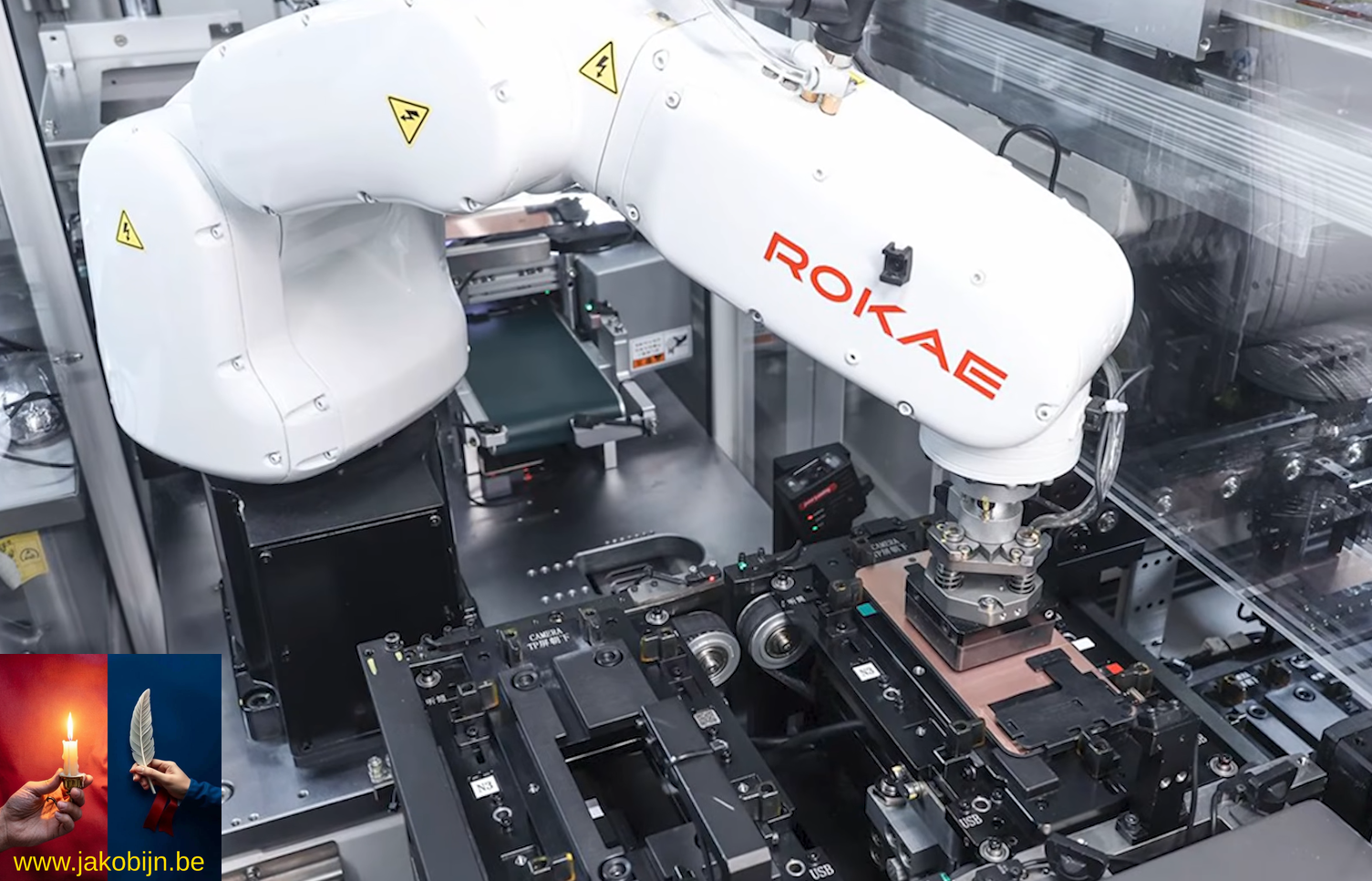 But there's one figure that strains human imagination even more than the production speed per second. Xiaomi states that it takes about six seconds of line time to transform a bare, empty circuit board into a fully built and fully tested phone. Six seconds. Think about how long it takes to tie a shoelace, check a text message or take one sip of coffee. In about that same time period, somewhere in this building, an empty circuit board is transformed into exactly the same type of phone you might be holding right now. The screen is placed, the battery is put in place, the casing is closed. The device is tested, approved, packed and shipped somewhere in the world. That's where the nickname comes from: the 'six second factory'. The entire journey from bare components to finished product takes less time than most people spend deciding what to watch on television next.
This kind of rhythm doesn't happen by accident. It requires machines that never pause, parts that arrive just in time, and an entire building designed around a single purpose: never breaking that rhythm, not even for a second. Every station in the line must move in perfect harmony with every other station, like dancers who never miss a beat, because one slow moment would cause a ripple throughout the chain that would bring down the entire production.
An Architecture of Precision: The Factory as One Big Machine
Before this speed could even be possible, someone had to build a place big enough and precise enough to house it. This is not a factory that has slowly grown over decades, pieced together like older production halls often are. This facility was rebuilt from the ground up, intentionally designed as a single, large machine for making phones. Located in the Changping district, walking through the complex feels less like a factory tour and more like walking through one gigantic, spotless machine that happens to have rooms.
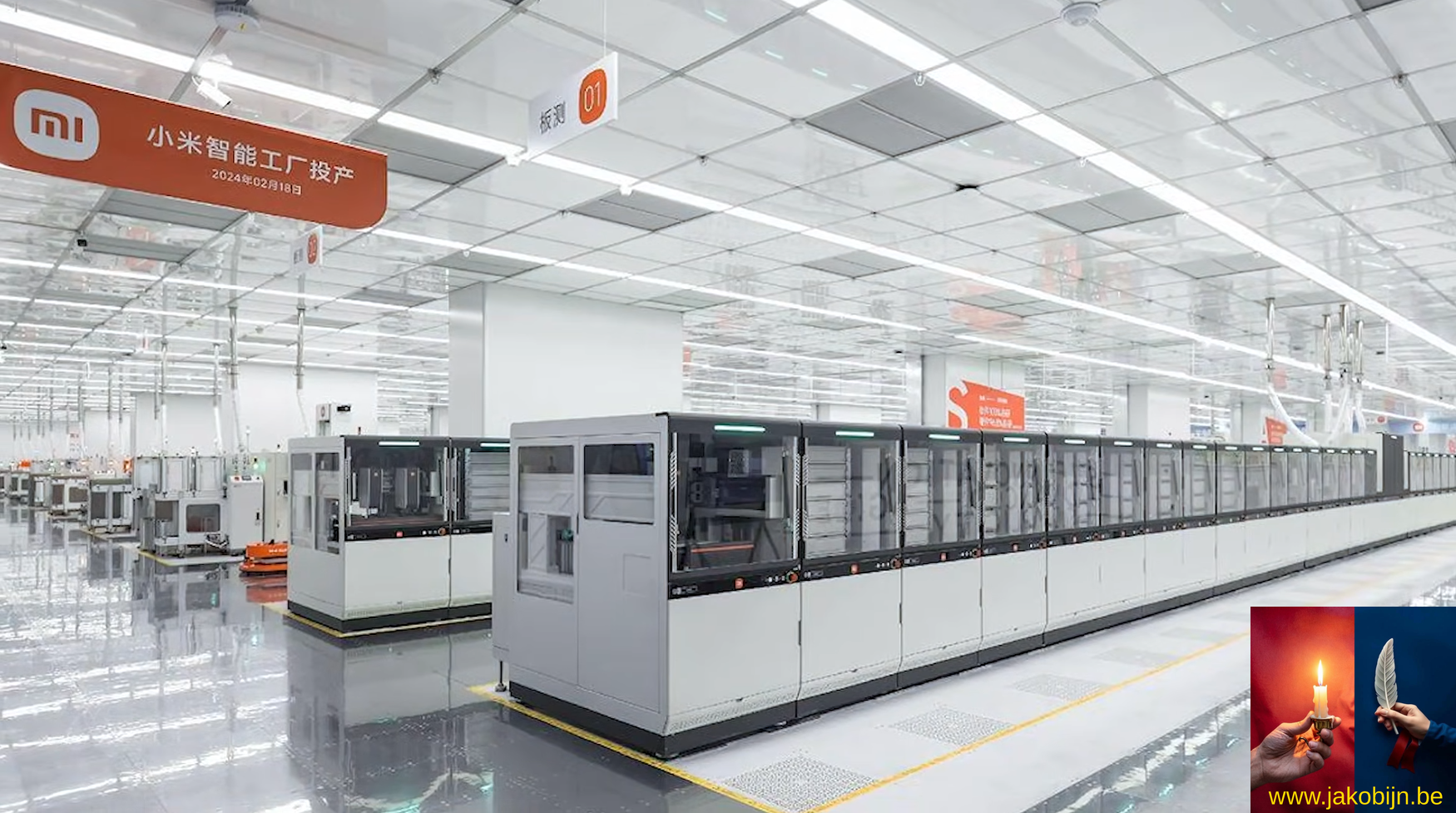
Every corridor seems to lead to a different line quietly doing its work. Visitors describe wide, clean corridors. Machines hum behind glass. Some say it feels more like walking through a science museum than through a place that ships out millions of products annually. The air feels almost unnaturally still, as if the entire building is holding its breath between the production of one phone and the next. Standing in such a corridor, it's easy to forget that, just behind that glass, a brand new phone is completed every few seconds. Not a single human voice can be heard nearby.
The entire site covers approximately 81,000 square meters. That's roughly the same surface area as 11 football fields laid side by side. That's a lot of space to fill, let alone with machines precise enough to build a phone in seconds. Instead of players and goals, every square inch here is packed with production lines, robot arms and test stations working in strict sequence. Each station passes its work to the next, like relay runners passing a baton.
Building something this big and precise wasn't cheap. Xiaomi invested approximately 2.4 billion yuan in this project. That immediately tells you this was never a side project or a small experiment tucked away in a corner of the company. It was a strategic bet on doing things differently. Most companies would have leaned on a smaller, cheaper factory and hoped that would be enough. Xiaomi, however, chose to invest big now, so that speed and control could pay off for years to come. Long after the opening day cameras were packed up and gone.
The factory completed construction in early 2024 and opened its doors to the world in July of that year. It didn't start with a random trial run on ordinary, standard phones. The very first phones built on these new lines were the MIX Fold 4 and the MIX Flip, Xiaomi's advanced foldable phones. There's something telling about that choice. A factory built around reducing production time to 6 seconds per phone opened its doors with devices that fold themselves in half. It's one thing to design a phone that folds without breaking. It's something entirely different to build the very first batch of them in a factory that still has to prove it can deliver on its own ambitions.
The 'Lights-Out' Reality: A Floor Where No One Walks
Once you have a building of this size moving this fast, the real challenge isn't the concrete and steel. The challenge lies in what happens inside, on a floor designed from day one to run without a crowd of people standing on it. Every part of that design, from the wide corridors to the placement of each line, was planned to keep the pace constant, never allowing one slow corner to drag the rest down.
Walk onto the actual production floor on a normal work night, and you'll notice the lights are barely on. Machines glide through their movements in near complete darkness, because nothing on that floor actually needs light to function. This is no trick to save energy. It's the fundamental design. Factories built this way are called 'lights-out factories' or 'dark factories'. The production floor is built to run without anyone standing on it. All day, all night, every day of the year, including holidays. The lights only really come on for maintenance crews performing checks, or for visitors touring the facility.
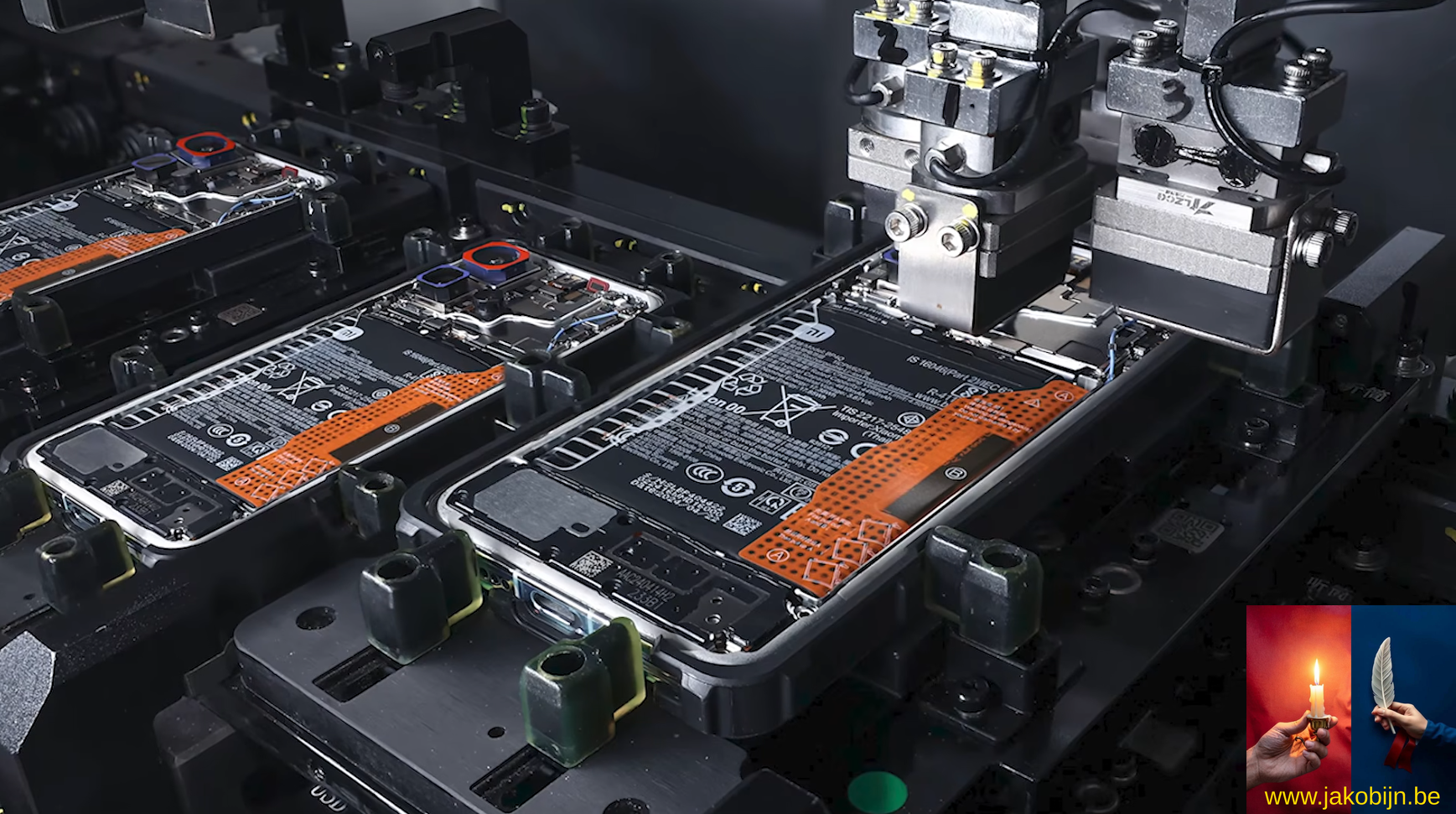
Machines don't need bright light the way humans do, since cameras and sensors work in a completely different way. It's a strange image at first, almost unsettling if you imagine it wrong. A place that makes millions of phones per year can sit in near complete darkness for hours while it works. Arms swing, circuit boards slide by, screens lock into place. Not a single ceiling light needs to be on. Imagine walking past a warehouse at midnight. You hear machines moving inside. No one is actually standing next to any of them. Just a steady, patient movement in the dark. It feels almost like the building runs on instinct. The same way your heart keeps beating while you sleep, without you ever thinking about it.
But no one has actually disappeared from this story. The people who used to stand at stations on the floor have moved to control rooms just off to the side. They watch screens, read data and step in when a human decision is needed that a machine can't make alone. The engineers and technicians haven't disappeared; they've moved from standing next to the machines to monitoring all the machines simultaneously. They've traded one workstation for an overview of the entire line. That shift is fundamental. It's what enables Xiaomi to push automation this far. It frees people to catch those kinds of problems that only a trained eye would notice: the strange exception that a camera might miss.
Xiaomi describes the automation rate across its key production steps at 81%. That means the bulk of the actual building and checking happens without a physical hand touching the phone. The remaining 19% still relies on people working alongside the machines for the trickier steps that still require a human touch. That's a huge portion of the process running on its own, but it still leaves real work for real people, albeit from a different chair than before. Closer to a 'mission control' desk than to a workbench, watching numbers instead of screws.
Hyper IMP: The Nervous System that Runs the Factory
If machines do most of the phone building, there must still be something keeping track of all this. Something that must catch errors before they turn into a pile of defective phones, and that decides when to speed up or slow down. That task belongs to something that looks less like a person and more like a brain towering over the entire factory. That brain never clocks out, never takes a lunch break and never stops paying close attention, no matter what time it is.
Somewhere behind all those lines is something closer to a nervous system than to a piece of software. It silently monitors every single step happening throughout the building simultaneously, from the first circuit board loaded onto a tray to the last phone sealed in its box. It doesn't sleep. It doesn't get distracted. It never stops comparing what's happening at this exact moment with what should be happening at that exact moment on that exact line. Xiaomi calls this system Hyper-IMP, short for 'Hyper-Intelligent Manufacturing Platform'.

Its task is to sit above the entire factory and watch everything moving through it, like a conductor keeping an eye on every instrument in an orchestra simultaneously. It tracks how well each line is running. It checks the quality of what comes out the other end. It keeps a running count of parts and materials in real time, so nothing runs out in the middle of a shift. It flags anything unusual the moment it happens, not hours later when a whole batch may already be affected.
That constant attention is something no human could ever sustain, no matter how good they are at their job. What makes this system different from a normal factory computer system is that it doesn't just report problems. It actually adjusts the line while it's running. It tweaks settings and catches problems while production continues. Instead of stopping everything to fix things by hand, like an older factory would have to do. Think of a normal computer system as a guard writing a report after something has gone wrong. Hyper-IMP is more like a guard who intervenes and fixes the problem before it has fully happened.
Xiaomi describes it in a striking way: a factory that learns from its own output. Every phone that comes off the line teaches the system something it can use on the next one, and the next, and the next. It builds up a kind of memory that gets sharper and sharper the longer the factory runs. Quality control fits into the same idea. Cameras and sensors check circuit boards and assemblies as they move along the line. They look for anything that doesn't match what a good circuit board should look like, comparing thousands of small details faster than any human eye could manage. If one unit shows an error, that information isn't just logged and forgotten. It feeds directly back into the settings for the rest of the line, so the same error is less likely to happen again on the next phone. It's a bit like a cook tasting one spoonful of soup and immediately adjusting the seasoning for the entire pot still cooking behind him. Except this happens on circuit boards moving past cameras faster than a person could blink.
Strategic Sovereignty: Why Xiaomi Builds Everything Itself
All of this raises an obvious question, however. Building a system this sensitive and this responsive is not something you can just buy off the shelf and plug-and-play in any old factory. That's exactly why Xiaomi ultimately chose to build almost everything itself.
Most companies that make phones don't actually build the machines that make the phones. They buy equipment from external suppliers, hook it up and hope it fits the way they want to work. They adapt their own plans around what the equipment happens to allow. Xiaomi looked at that approach and decided it wasn't good enough for what it wanted to achieve here. So instead it built its own tools, and much of that tooling too.
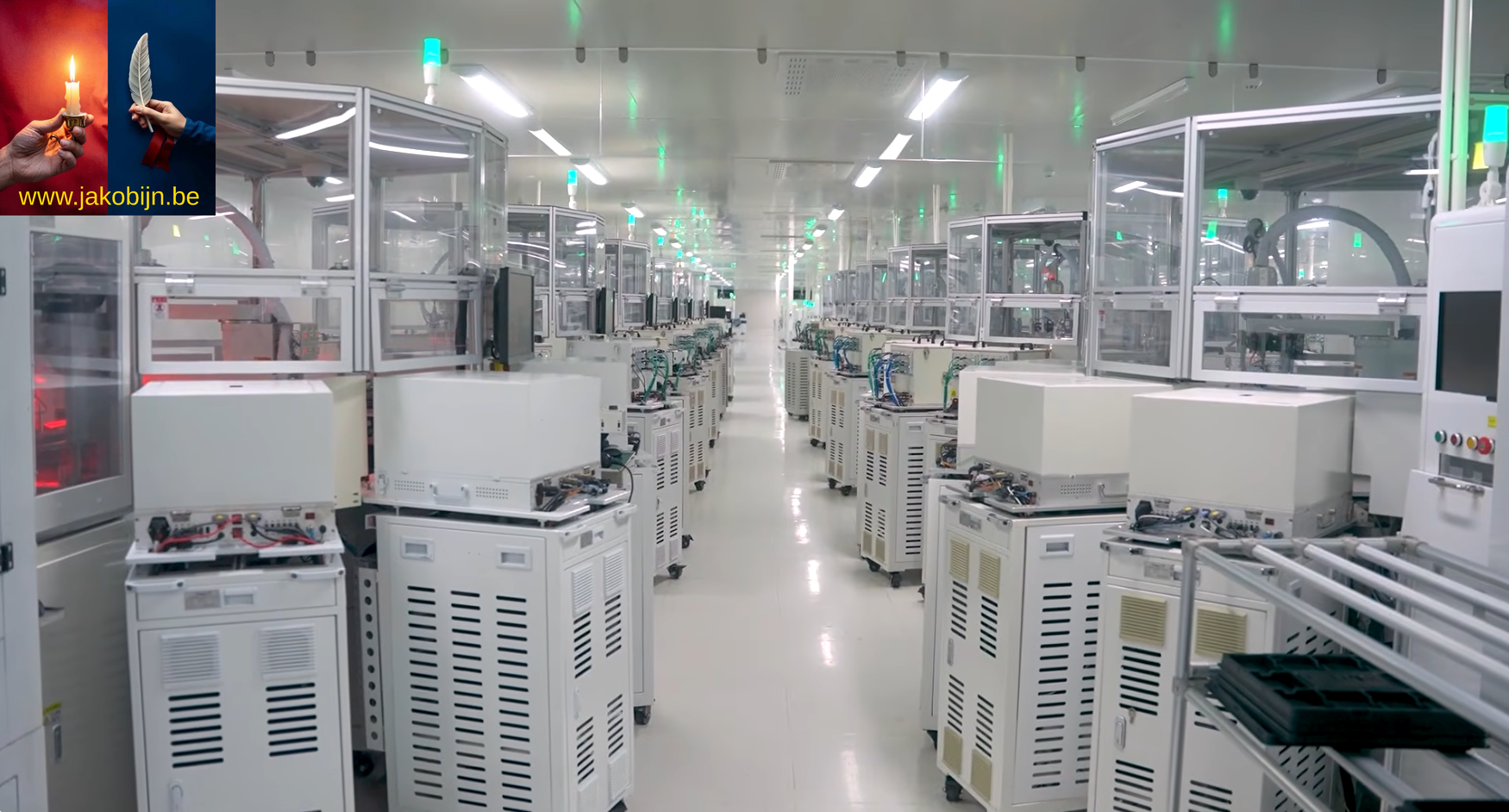 Inside this factory are approximately 4,000 pieces of equipment bearing Xiaomi's own logo. These are machines the company designed and built itself, instead of buying them from someone else and hoping they would fit the vision they had for this place. Just look at the assembly equipment: the machines that actually put the pieces of a phone together. Approximately 96.8% of that was internally developed by Xiaomi's own engineers. Nearly the entire line was built specifically for this factory and for no other. Every piece of software that runs the show, the programs that tell the machines what to do and when to do it, is 100% built by Xiaomi itself. Nothing is licensed or borrowed from another company anywhere in the process.
That's no small technical detail. It's essentially Xiaomi saying it didn't trust anyone else to build the thing that builds its phones. That kind of trust doesn't come cheap or easy. It means training engineers who understand both the phone and the machine that builds it, and it means testing every new tool over and over again before it ever touches a real product. Think about how unusual that really is. Imagine a bakery that decided buying ovens wasn't good enough, and so it designed and built every oven, every mixer and every timer in the kitchen itself, just to get the recipe exactly right down to the last detail. No one outside the kitchen would ever notice. Most companies would call that excessive. Xiaomi seems to find it the only way to truly trust the end product rolling off the line.
Supported by all this are more than 500 patents. That's Xiaomi's way of proving this wasn't just clever engineering, but original enough to be legally protected from anyone trying to copy it. Building machines yourself instead of buying them sounds like it would slow a company down. Designing new equipment takes much more time than simply ordering from a catalog, but it actually gave Xiaomi something more valuable than speed: it gave them control. Most competitors are still waiting for external suppliers to ship the next batch of equipment. Xiaomi doesn't have to wait for anyone. When you build the equipment yourself, you can shape it exactly around how you want your factory to run. You're not stuck bending your factory around what a supplier decided to sell to you and everyone else in the industry.
Geopolitical and Societal Reflections: The Shift of the Industrial Axis
Here comes the part that ties everything back to the phone you might be holding right now. Xiaomi didn't start as a company that built its own phones on its own factory floors. In the early years, Xiaomi was a brand that designed phones, and then handed off the actual building of them to other companies. Contract manufacturers built devices on behalf of Xiaomi, within their own factories, using their own machines and their own workers.
That shift didn't happen overnight. Xiaomi started in 2010. For a long period after that, building phones from the ground up simply wasn't part of the plan. This factory in Changping marks Xiaomi's step away from that old approach. The company chose to build its flagship phones with its own hands, within its own building, using machines it made itself from the ground up. That's a huge shift for a company that grew up relying on external factories to turn its designs into real, physical devices that people could hold and use every day. It's the difference between giving someone a recipe and hoping they cook it right, and finally deciding to walk into the kitchen yourself and cook it yourself.
Xiaomi also doesn't treat this factory as a one-time achievement. The company treats everything built here – the machines, the software, the entire Hyper-IMP system that monitors production – as something meant to be reused elsewhere. That includes its electric vehicle (EV) factory, where many of these same lessons about automation and control are now being applied to building cars instead of phones. The ideas born here were never meant to stay stuck in one building.
For the observer looking past the superficial technological gimmicks, this story paints a much deeper, geopolitical picture. While Europe is still losing itself in bureaucratic discussions about the future of its industry, regulation and maintaining a rearguard battle in the high-tech sector, in Beijing they are already building the next phase of the industrial revolution. The Western perception of Asian production as merely 'cheap labor' has been outdated for years; this is now the domain of hyper-advanced, autonomous systems that leave Western counterparts far behind in speed, scale and technological sovereignty. Xiaomi's choice to embrace full vertical integration – from the software to the physical robot arm – is a direct reflection of a broader strategic shift in the region: the drive for complete technological independence.
Moreover, Xiaomi has been unusually open about all this. It publishes plenty of footage from inside this factory for anyone curious enough to look, instead of keeping the whole operation hidden behind closed doors like many manufacturers do. That openness is rare in an industry where most companies prefer to keep their production secrets locked away from competitors and curious onlookers. That openness matters. It turns an ordinary factory tour into something closer to proof. Proof that the phone in your hand, or on the table next to you, could really have come from a line like this.
Conclusion: The Question of Leftover Time
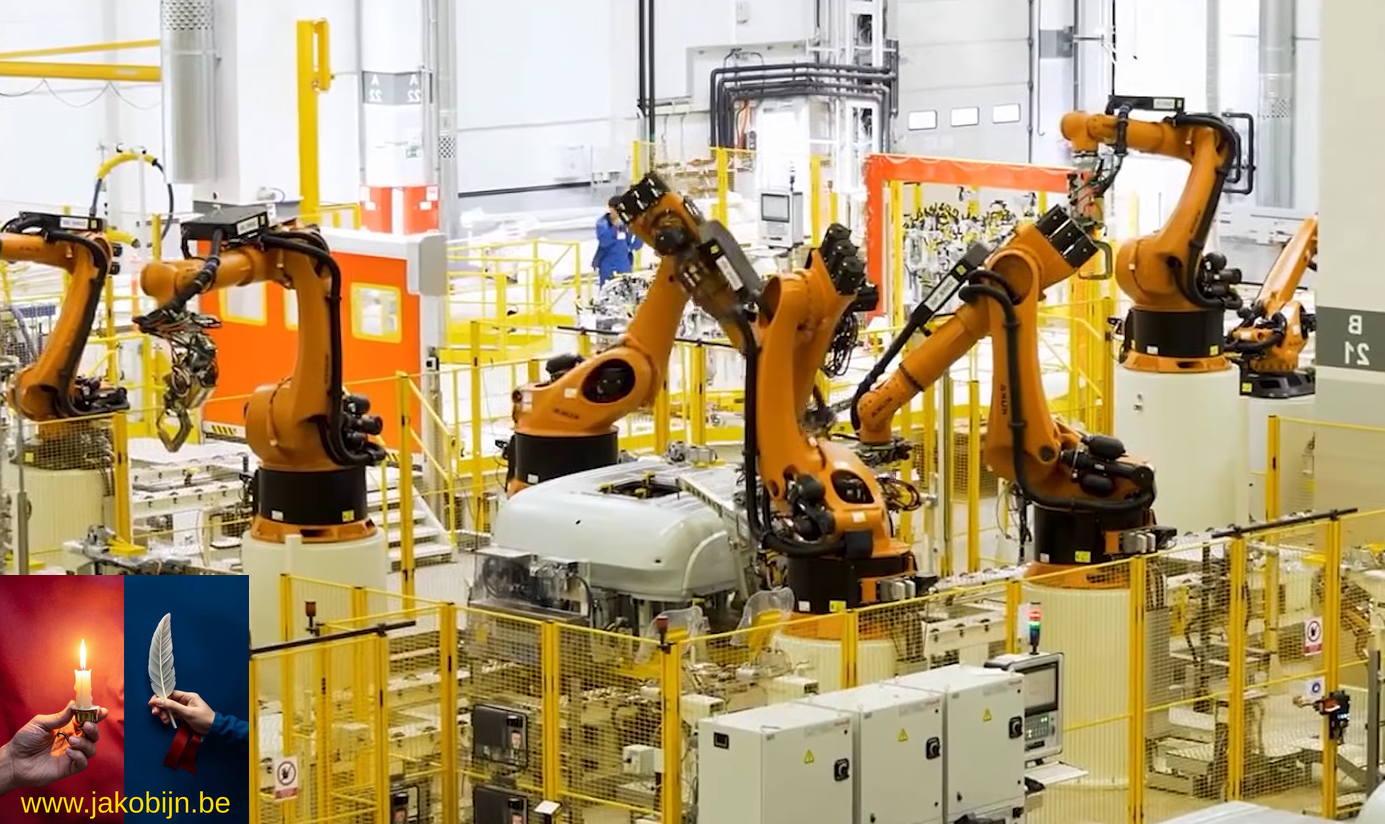 A bare circuit board, six seconds of careful, monitored work, and a completed phone rolls out into the world. Again and again. Faster than most of us can really imagine, hour after hour, without ever slowing down. Somewhere on that same floor, at this exact moment, another one is being completed, and another one after that, long before you've reached the end of this sentence.
That's the real story, hidden in a device most people barely think about once they've set it up and use it every day. It's a story of speed, patience and a company that decided the only way to truly trust the process was to build every single part of it itself, from the smallest screwdriver to the software that monitors the entire floor. It's a reminder that somewhere behind every smartphone lies a story most people never think to ask about.
So the next time you pick up your phone, there's a good chance it came from a place that runs so fast, so quietly and so smartly. On a floor you'll probably never walk through yourself. But this raises a question worth pausing on for a moment, a question that reaches beyond the technology itself and touches the core of our human condition in the twenty-first century: if a machine can build a phone in just six seconds, what should humans do with all that extra time that becomes available? It's up to us, as a society, to find a more meaningful answer to that than the machines we have created.